


Fuel Shortages in Russia: A Growing Crisis
Recently, parts of Russia have been thrust into a fuel crisis, marked by widespread shortages and long queues at gas stations. This alarming situation follows intensified Ukrainian drone attacks on critical oil infrastructure within Russia. As local officials struggle to manage the crisis, some regions have resorted to rationing or halting fuel sales altogether.
Soaring Prices and Demands
The fuel shortages have been compounded by skyrocketing wholesale prices for A-95 petrol, which recently hit record highs on the St. Petersburg International Mercantile Exchange—approximately 50% above levels seen in January. Farmers, who require fuel for their harvests, compounded by Russians embarking on their last major summer holidays, have seen a sharp spike in demand.
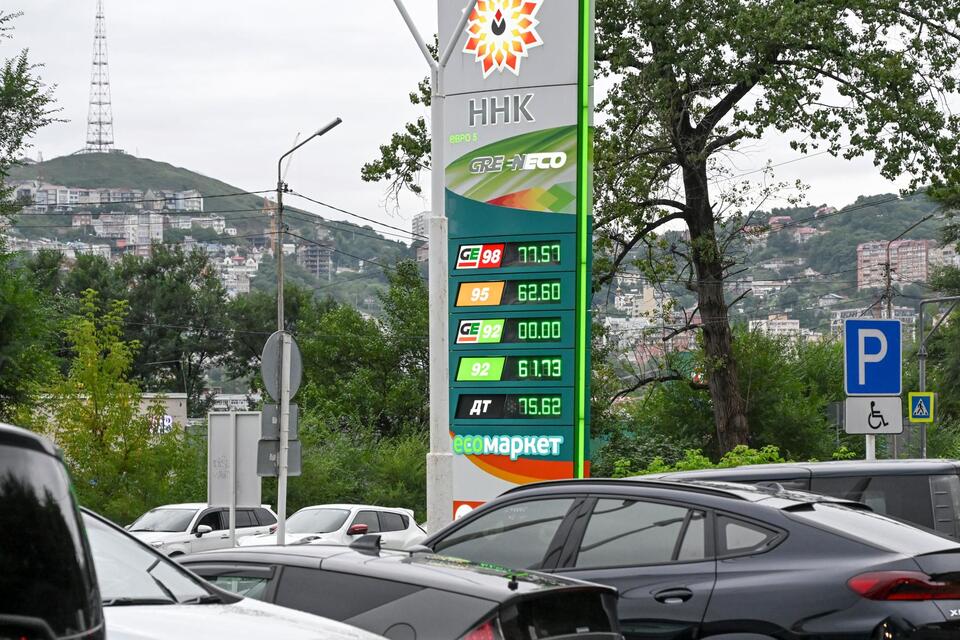
In several regions, particularly the Far East and Crimea—an area controversially annexed by Moscow from Ukraine in 2014—consumers are feeling the brunt of these shortages. Reports from the Primorye region reveal not only long lines at gas stations but also prices soaring to about 78 rubles per liter (around $3.58 per gallon). Moreover, some enterprising individuals have taken to selling gasoline online for as much as 220 rubles per liter (approximately $10.12 per gallon).
Rationing and Restricted Sales
The situation in certain areas has become so dire that local officials have been forced to restrict sales. For instance, the Kurilsky district in the Kuril Islands has completely halted public sales of lower octane A-92 gas. In Crimea, fuel has been offered only to holders of special coupons or cards, a tactic aimed at managing dwindling supplies.
Impacts of Ukraine’s Drone Attacks
Russia has long dealt with fluctuations in gasoline prices, particularly as summer comes to a close. However, the current crisis has been exacerbated by Ukraine’s strategic drone strikes targeting oil refineries. These attacks have been alarmingly effective, especially when compared to past operations. Recent reports indicate that Ukraine has conducted at least 12 attacks on oil infrastructure in the span of just three weeks, significantly hitting facilities along the crucial Ryazan-Volgograd arc.
This region is vital not only for transportation to popular resort areas along the Black Sea but also for agricultural operations. Sergey Vakulenko, a senior fellow at the Carnegie Russia Eurasia Center, has highlighted the implications of these attacks: they cause noticeable drops in refinery operations, with crude oil intake plummeting by roughly 200,000 to 250,000 barrels per day.
Production Declines and Economic Strains
As the drone strikes disrupt refinery activity, gasoline production has decreased significantly—down 8.6% in the first 19 days of August compared to a year prior, along with a 10.3% drop in diesel production. The combination of these disruptions, rising demands from consumers, and inflationary pressures has put additional strain on the supply chain.
Many fuel suppliers, anticipating price fluctuations, opted not to stockpile gasoline early in the year, further contributing to the crisis. Individually, these factors might not have created lasting problems, but their convergence has transformed what is typically a seasonal issue into a more significant national concern.
Government Responses and Regional Disparities
To mitigate the effects of the crisis, the Russian government paused gasoline exports on July 28, hoping to sustain this measure into September. Meetings with oil company leaders indicate an acknowledgment of the situation but also a sense of reassurance that the crisis may not be "system critical."
For now, the shortages are concentrated primarily in the Far East and Crimea, areas traditionally reliant on fewer refineries. Moscow, by contrast, has experienced little impact, thanks to a robust supply chain supported by major refineries nearby.
Diesel Supply and Future Risks
Despite the gasoline shortages, there is some relief in the availability of diesel—most public transportation and trucking services in Russia rely heavily on this fuel type. The military, too, which primarily uses diesel, remains insulated from the disruptions affecting private motorists.
Vakulenko highlights that annual diesel production in Russia considerably exceeds domestic needs, which helps ease immediate tensions. However, the situation is precarious. Refineries that produce fuel for domestic consumption also serve export markets, crucial for generating revenue amid ongoing Western sanctions. Damage to refinery equipment caused by drone strikes—especially to essential components—could result in longer-term impacts.
Anticipating Relief
The projected timeline for relief suggests that the crisis may start to ease by late September, as seasonal demand diminishes and maintenance on many refineries is completed. Yet, the unfolding events spotlight vulnerabilities in Russia’s domestic energy infrastructure, particularly as drone warfare tactics continue to evolve.