


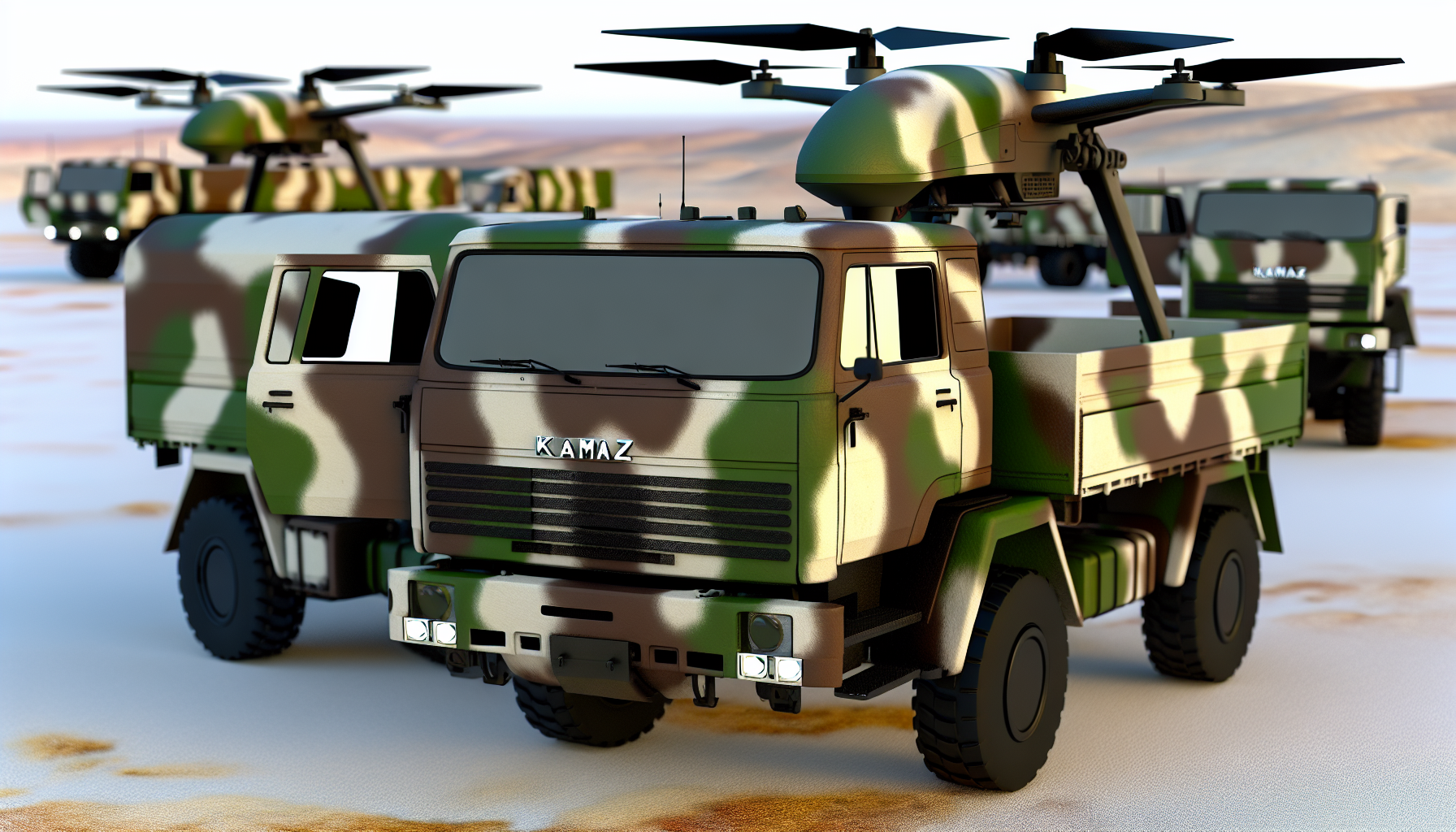
The use of drones on the battlefield has transformed modern warfare, forcing militaries around the world to adapt quickly. Recently, reports have emerged detailing how the Russian military has started equipping KamAZ trucks with armored cabins and electronic warfare systems. This strategic move is a direct response to the expanding threat posed by drones, which have been significantly disrupting logistical operations in combat zones.
A video circulating on social media shows a train transporting a batch of these modified KamAZ trucks from the factory. This development suggests that these enhancements are not merely field modifications; they represent a systematic effort by manufacturers to bolster the protection level of these vehicles. Currently, such a complete suite of protective features is not readily available in Ukraine, further emphasizing the tactical race in military adaptations.
Read more: Russia Admits BMD-4M Has Almost No Armor But Can New Upgrades Really Save It
This systematic adaptation indicates the Russian military’s acknowledgment of the evolving battlefield dynamics, where drones play a dominant role. Historically, such adaptations were limited to more sophisticated armored vehicles, like tanks and infantry fighting vehicles. Now, with trucks being modified for modern warfare, it highlights a broader recognition of the threats posed by aerial surveillance and attack capabilities.
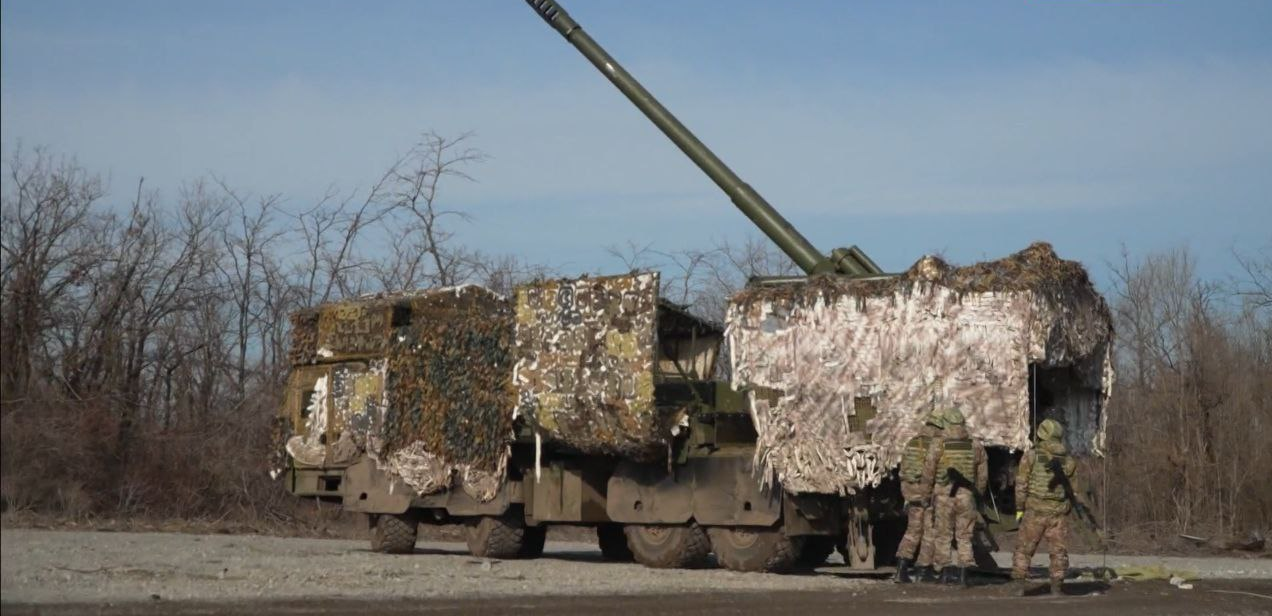
However, one notable concern arises regarding the efficacy of these modifications. The Russian defense industry has a reputation for lagging in the timely incorporation of current technologies. Observations indicate that some installations may include outdated electronic warfare systems or rudimentary protective features, incapable of effectively shielding against drone threats. For example, the video of the KamAZ trucks shows a lack of anti-drone nets, which have proven more effective in protecting vulnerable military units, as observed with the Giatsint-K wheeled self-propelled guns.
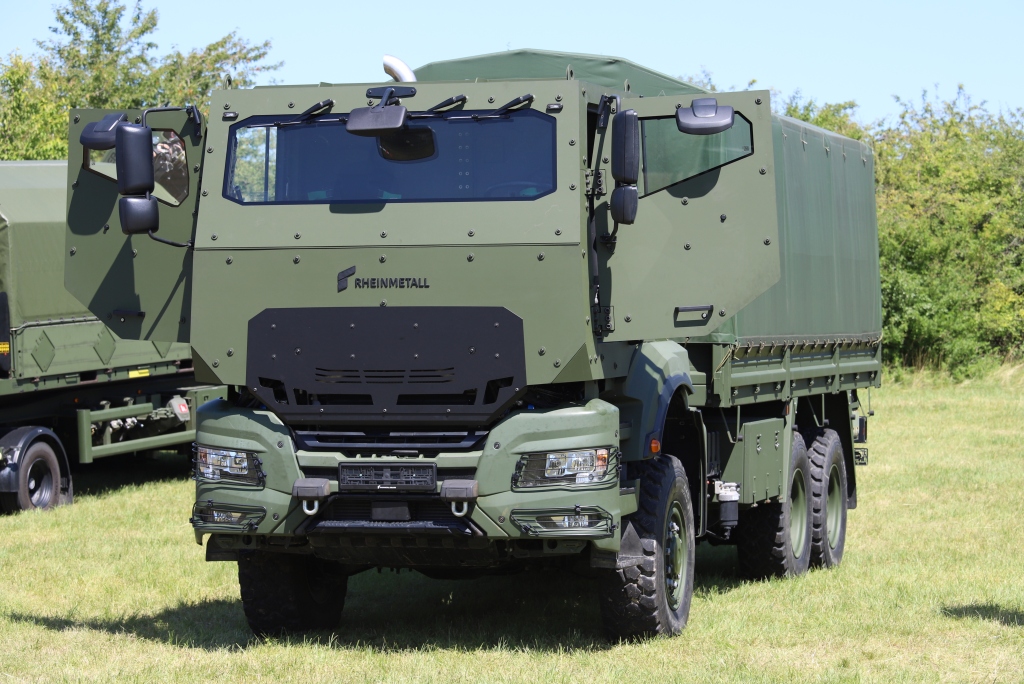
Contrasting this is the situation in Ukraine, where truck production had already faced challenges before the onset of full-scale war. Presently, a significant portion of logistics needs is met through imports or assistance from ally nations, resulting in a diverse array of logistical vehicles being procured. While some of these vehicles may arrive with factory configurations that include armored cabins—such as the new Rheinmetall RMMV TGS-MIL—they often lack adaptations for the widespread deployment of drones.
European militaries face different challenges regarding drone defense. The adoption of anti-drone netting systems may not be a common practice, but the deployment of electronic warfare solutions is crucial. Interestingly, it often takes foreign companies over six months to adapt to the rapidly changing battlefield conditions, potentially rendering new protective measures ineffective by the time they are deployed.
Nevertheless, truck adaptations are ongoing, as seen with the inclusion of a defensive aid suite supplied to Sweden through Volvo’s VIPRO program. While such advanced solutions haven’t yet made their way to Ukraine, incorporating standard mounts or provisions for electronic warfare systems on existing vehicles could significantly enhance operational effectiveness against drone threats.
Read more: Russia Upgrades Iskander-K Warhead to Guarantee Detonation Under any Conditions