


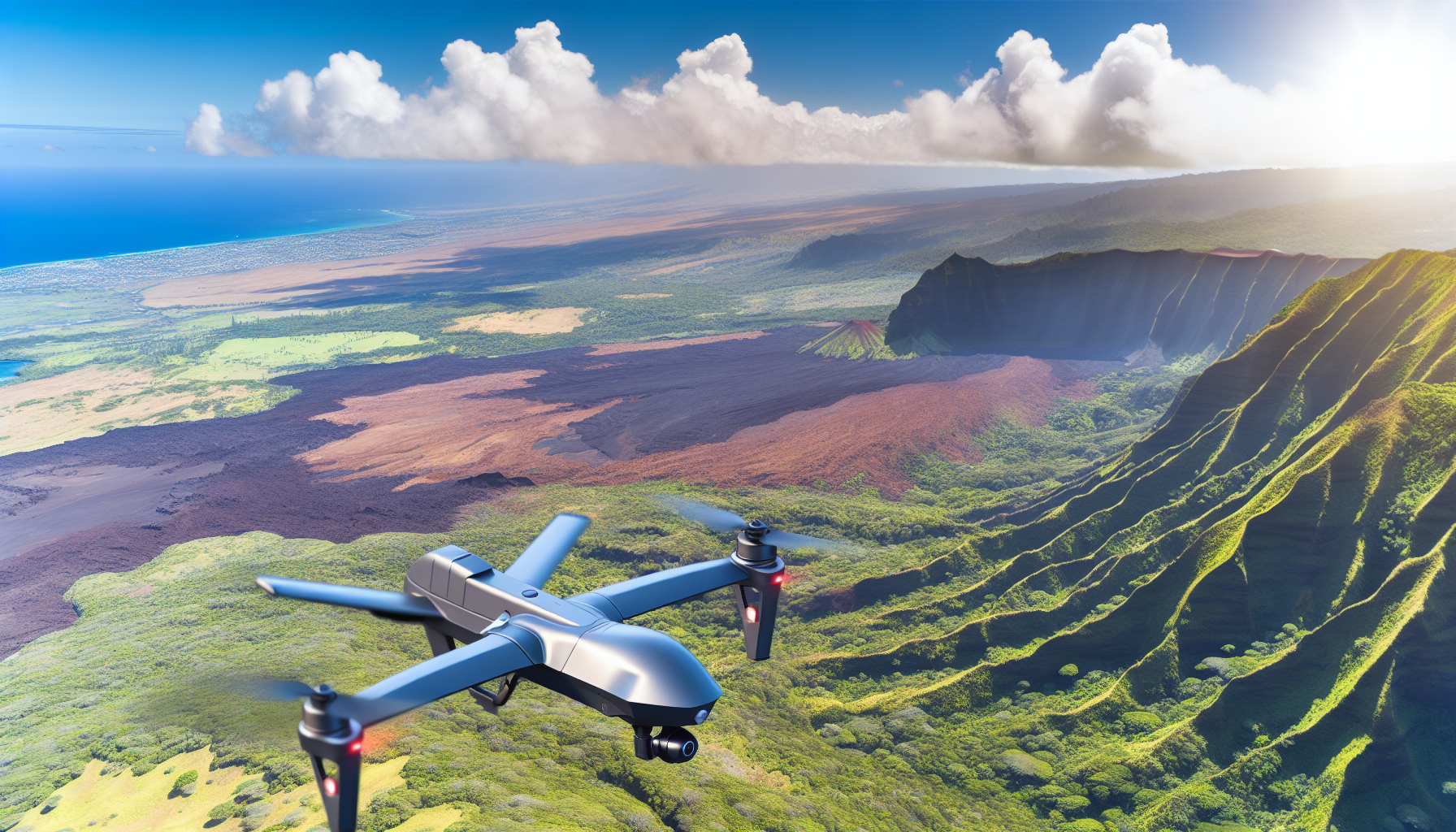
Challenges of Drone Operations in Hawaii: Lessons from the Field
During recent testing, soldiers from the US Army stationed in Hawaii encountered notable challenges while deploying new drone technology. The harsh environmental conditions of the island—characterized by high temperatures, elevated humidity, and salty ocean air—revealed unexpected hurdles that could impact future military operations. Understanding these complexities is crucial for ensuring that technology can effectively support soldiers in diverse climates.
Environmental Impact on Drone Performance
Command Sgt. Maj. Shaun Curry of the 25th Infantry Division reported that some drone models, which previously excelled in different operational environments, struggled shortly after their deployment in Hawaii. “When that equipment came to Hawaii, it was 100 degrees outside, with a lot of salt water in the air. Those drones did not last in those heat environments,” Curry noted. These revelations emphasize a vital point: what works in one locale may not necessarily translate into success in another, especially in areas with extreme weather conditions.
The Transformation in Contact Initiative
The drones being tested were part of the Army’s Transformation in Contact initiative, which is designed to bolster soldier-led testing, integration, and refinement of new military technologies. This initiative facilitates a direct pipeline for soldiers’ feedback to influence operational planning and tactics. When issues arose during testing, developers were often on-site to provide immediate assistance, allowing for quick troubleshooting and adjustments. “If it didn’t work right then and there, they would work on them. Then they gave you a new, upgraded version,” explained Curry. This responsiveness is critical for adapting technology to the unique demands of the Indo-Pacific region.
Overcoming Weather-Related Challenges
The Army has consistently faced similar situations while deploying drones across various exercises in the Indo-Pacific. Weather challenges, including monsoon rains and high winds, significantly impede operational range and flight time. Furthermore, the limited availability of launch sites on islands complicates effective drone deployment. Such environmental factors reinforce the need for adaptive strategies that can accommodate the specific challenges presented by these diverse climates.
Collaboration Between Soldiers and Technicians
In tackling these challenges, drone company technicians have actively collaborated with soldiers to address issues in real-time. This partnership has proven invaluable, promoting a culture of shared experiences and lessons learned across different military formations. Real-time problem-solving ensures that soldiers are not left stranded when technology falters, effectively bridging the gap between theoretical design and practical application.
Industry Partnerships and Cross-Unit Communication
The Army’s emphasis on partnerships with drone manufacturers and fostering cross-unit communication is vital for enhancing small drone capabilities. The ongoing conflict in Ukraine has spotlighted the pivotal role of drone technology in modern warfare, prompting military leaders to assess its implications thoroughly. As the Army seeks to strengthen its operational capabilities, leveraging industry insights will be a cornerstone for future successes.
Strategic Importance of Uncrewed Systems
As the US military pivots its attention toward the Indo-Pacific region, the reliance on uncrewed vehicles and systems is expected to play a crucial role in deterrence strategies. Successfully adapting drone capabilities to specific environmental conditions is essential for maintaining operational effectiveness. The Army has recognized the importance of establishing consistent training exercises in collaboration with allies, such as the Philippines, to prepare for the complexities of future combat scenarios.
Through these careful evaluations and efforts to tailor drone operations to the unique challenges found in Hawaii, the military is enhancing its readiness for diverse environments. As soldiers and technicians continue to work together, the lessons learned will pave the way for improved technologies that can withstand the rigors of modern warfare and ensure mission success.