


Premier Chris Minns and the Controversial Arms Trade Fair
On November 4, 2023, New South Wales Premier Chris Minns found himself in the spotlight, promoting Labor’s sponsorship of a three-day arms trade fair held in Darling Harbour. His interviews on ABC Radio National aimed to bolster economic support for the event, emphasizing the impressive $3.4 billion contribution of “defence” exports to the New South Wales economy. However, the conversation took a contentious turn when discussions shifted to Israeli weapons firms, notably Elbit Systems.
Dodging Responsibility
When confronted about the sponsorship of firms linked to the Israeli military, specifically those responsible for considerable devastation in Gaza, Premier Minns deflected responsibility. “I’m not responsible for the invitations,” he stated, clearly uncomfortable with the implications. His focus remained on the economic benefits while sidestepping the moral questions raised by many activists and citizens regarding the companies exhibiting at the expo.
The Protest Against the Arms Expo
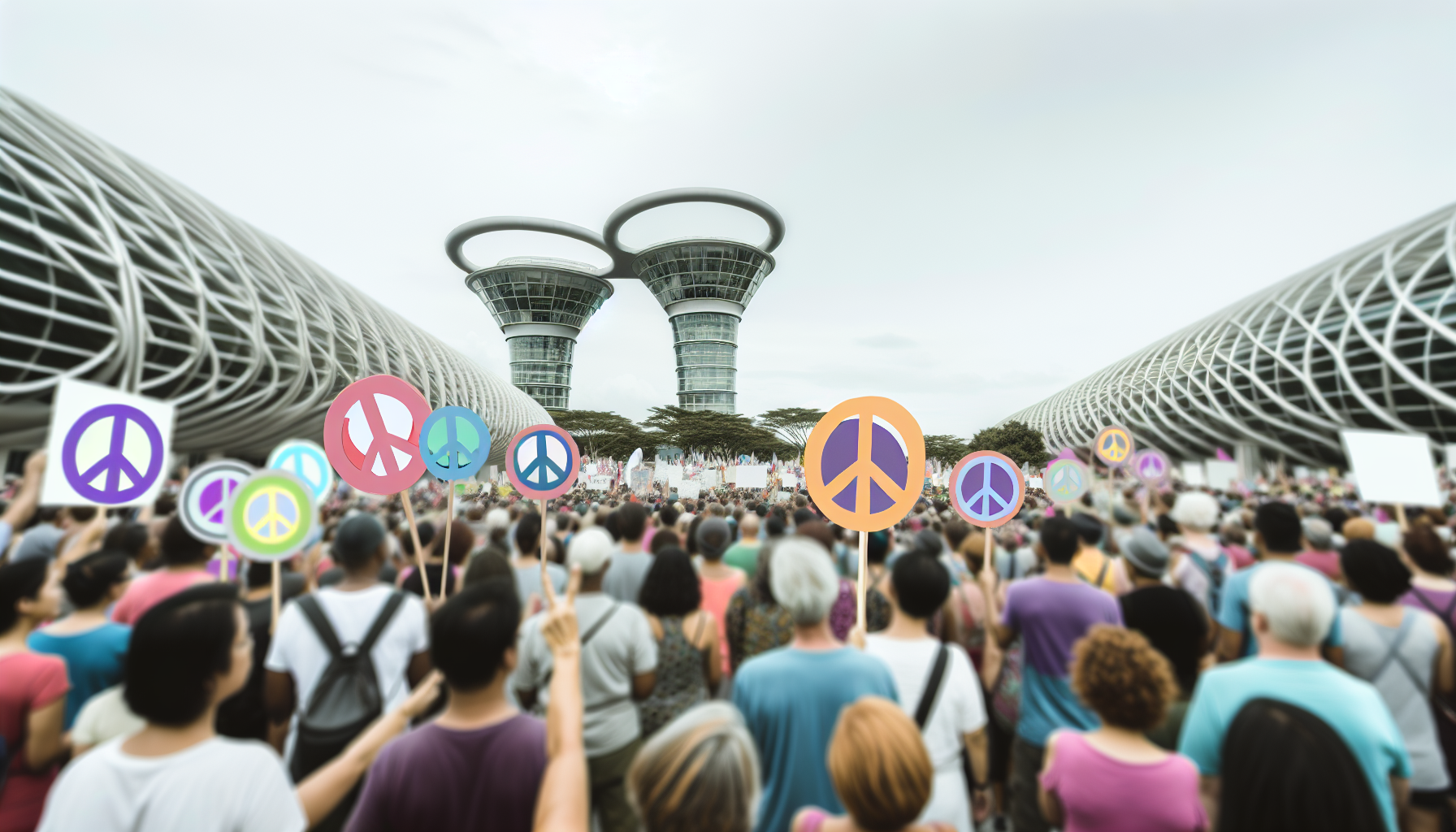
Opposition to the event was palpable as protests erupted at Darling Harbour. Activists gathered to voice their anger over the fair, especially targeting companies such as Bisalloy Steel, which exports military-grade materials to Israel and is involved in Australian naval contracts linked to the AUKUS pact. Yaakhov Aharon, a representative of Wollongong Against War and Nukes, passionately argued that Australia had “no excuses” for supporting the production of arms that contribute to violence and human suffering.
The Highlight on Corporate Ties
Aharon highlighted the troubling financial ties of key political figures like former Prime Minister Malcolm Turnbull, who allegedly holds significant shares in Bisalloy Steel. He stated that disrupting supplies from such companies could directly impact the Israeli Defense Forces’ capacity to wage war, potentially sparing lives in Gaza. This assertion exemplifies the deep entanglement between corporate interests, political power, and humanitarian crises.
Protest Dynamics and Police Response
Despite the overwhelming turnout of protesters, heavy police presence restricted access to key areas of the event. Many activists reported incidents of police aggression, including pepper spraying individuals who had sought to make their voices heard. The demonstrations highlighted systemic frustrations regarding governmental priorities, with some activists emphasizing that the police actions reflected an unsettling commitment to suppress dissent in favor of defense industry interests.
Voices of the Opposition
The protest featured several prominent speakers who condemned both the arms expo and the government’s complicity. Greens MLC Sue Higginson criticized the ethical implications of treating weapons manufacturing as a viable future industry for the state. Maritime Union of Australia organizer Shane Reside, along with representatives from various activist coalitions, reaffirmed their refusal to support any logistics that contribute to war and violence.
Broader Implications and Context
This event is not only a reflection of local discontent but also interlinked with Australia’s international obligations and its role on the global stage. Following severe criticism from human rights advocates, including U.S. legal experts, concerns were raised about Australia’s potential violations of the Genocide Convention. Despite the gravity of these allegations, local authorities persisted in promoting the expo, highlighting a disconnection between government rhetoric and public sentiment.
Economic Priorities vs. Humanitarian Concerns
Activists focused on shifting the narrative away from economic benefits derived from arms trade towards addressing immediate socio-economic issues within Australia itself. Calls for redirecting funds currently allocated to military ventures to social welfare and housing addressed a growing sense of urgency among citizens who see their own needs go unmet. Prominent speakers lamented the apparent prioritization of military expenditure over the welfare of ordinary Australians.
A Complex Landscape
As the arms trade fair unfolded, the protestors crystallized a growing unease within the community regarding Australia’s military alliances and their consequences. The situation in Gaza and the associated humanitarian crisis prompted calls for accountability from the Australian government regarding its military partnerships and the ethical implications of its defense policies. Protesters’ voices echoed a larger global dissent against militarism, pushing for a re-evaluation of national priorities in an increasingly complex geopolitical landscape.