


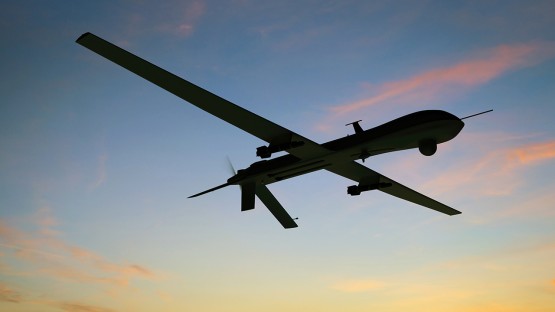
Understanding Public Perceptions of Drone Warfare: Insights from a New Survey
As the military use of aerial drones continues to rise in conflict zones such as Ukraine and beyond, a groundbreaking survey sheds light on American perceptions of the moral legitimacy of these tactical strikes. This survey, conducted by Paul Lushenko, a doctoral student in international relations, provides an intriguing glimpse into how the public views the use of drones in military operations.
The Importance of Legitimacy in Drone Warfare
Lushenko’s research, titled “The Moral Legitimacy of Drone Strikes: How the Public Forms Its Judgments,” highlights an often-overlooked aspect of drone warfare—the significance of legitimacy in sustaining operations. Despite growing concerns over the ethical implications of drones, Lushenko argues that there has been limited understanding of what constitutes a “legitimate” drone strike in the eyes of the American public.
In March 2021, Lushenko conducted an online survey with 555 American participants to explore their views on drone strikes. What he found was both nuanced and revealing, providing a deeper context for ongoing discussions about the use of drones in modern warfare.
Tactical Versus Strategic Strikes
Lushenko differentiates between tactical and strategic use of drones. Tactical strikes involve multilateral constraints where operations are conducted with the consent of other nations in officially recognized theaters, like Iraq and Afghanistan. In contrast, strategic strikes are carried out unilaterally, often without international oversight. Lushenko compares the latter to operations conducted during the Biden administration, such as the strike against al-Qaeda leader Ayman al-Zawahiri.
Most notably, he highlights a growing preference among Americans for tactical strikes, suggesting a compromise between unilateral approaches and complete abandonment of drone use, akin to Germany’s position on warfare.
Moral Judgments and Public Attitudes
In assessing the moral considerations surrounding drone strikes, survey participants weighed several factors. They considered:
- Physical Courage: The extent to which strikes required soldiers to demonstrate courage on the battlefield.
- Protection of Lives: How drone strikes could safeguard soldiers while achieving military objectives.
- Civilian Casualties: The effectiveness of drone strikes in preventing civilian harm compared to traditional aerial attacks, like those from bombers and jets.
These factors illustrate that American opinions on drone strikes are not black and white; they are often shaped by a combination of these moral norms. Respondents’ views varied significantly based on whether the strikes were seen as tactical collaborations or unilateral actions.
The Necessity of Building Public Support
Given that U.S. counterterrorism strategy increasingly relies on drone technology, the implications of Lushenko’s findings are profound. If policymakers wish to maintain public support for military actions involving drones—especially those that breach the sovereignty of other nations—they must take proactive steps.
Lushenko emphasizes the need for transparency, advocating for a clear communication of the security benefits, legal justifications, and the oversight measures implemented to minimize civilian casualties. These factors are crucial in fostering an informed public that can engage thoughtfully with the complexities of drone warfare.
Implications for Policymakers
One of the key takeaways from Lushenko’s research is the recognition that public perceptions of drone warfare are multifaceted and, at times, contradictory. While drones can be effective tools for countering terrorism, their use must be framed within a context of international cooperation and oversight.
Lushenko warns that if U.S. officials persist with unilateral drone strikes without establishing legitimacy in the eyes of the public and the international community, they risk eroding crucial support. Strikes that lack legitimacy could lead to increased disenchantment with drone warfare itself.
A Call for Continued Research
The insights gained from Lushenko’s survey highlight the urgency of further exploration into public perceptions of drone warfare. As drones become more integral to military strategy, understanding these perceptions will be vital for both effective policy development and ethical considerations in armed conflict.
In summary, the survey presents a compelling narrative about how Americans think about drone warfare, framing it within a continuously evolving global landscape of military ethics and international relations. Recognizing these public sentiments could help shape the future trajectory of drone policy and its acceptance on both national and global fronts.