


Pentagon’s New Approach to Military Acquisitions
A Shift in Strategy
In a significant shift for the U.S. military, Defense Secretary Pete Hegseth announced on Friday a revamping of the Pentagon’s weapons acquisition process. The emphasis is now on speed and efficiency, moving away from complex, cutting-edge technologies to more readily producible solutions. This paradigm shift aims to ensure that military capabilities can be rapidly fielded in a wartime context, gearing the acquisition system for urgent operational needs.
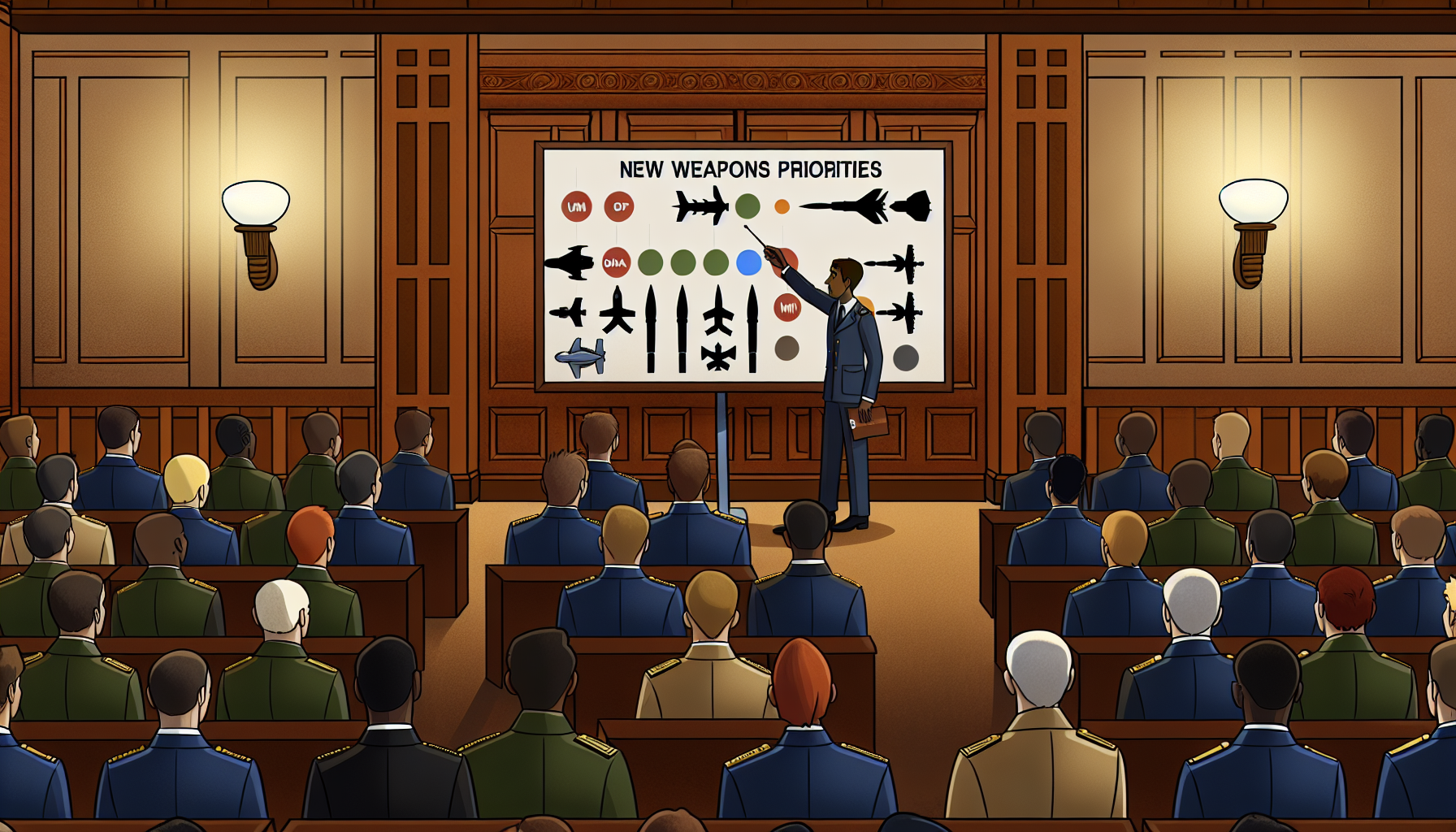
Hegseth articulated, “The objective is simple: transform the entire acquisition system to operate on a wartime footing, to rapidly accelerate the fielding of capabilities and focus on results.” His remarks came during a detailed address to military leaders and defense contractors at the National War College, where he expressed the need to streamline processes to meet current and future military challenges.
The Imperative for Rapid Delivery
The backdrop to this new approach is the ongoing war in Ukraine, where a financially constrained Ukrainian military is effectively countering a technologically superior Russian force using mass-produced, low-cost drones. This reality underscores the necessity of delivering military capabilities promptly, rather than adhering to traditional timelines that prioritize an “ideal” product, often at the expense of immediacy.
Hegseth pointed out that “an 85% solution in the hands of our armed forces today is infinitely better than an unachievable 100% solution.” He stressed the importance of streamlining the acquisition timeline from several years to possible completion within one, thereby enhancing operational readiness.
Balancing Speed and Functionality
However, this shift carries potential risks. Experts caution that hastening the acquisition process might lead to products that do not fully meet the military’s operational needs. Todd Harrison, a defense budget expert, notes that while speed is essential, contractors may sacrifice thoroughness for expediency. This could result in deliveries that are faster but potentially less functional, raising concerns about the effectiveness of new systems in real-world scenarios.
The military’s historical shortcomings in acquisition processes serve as a cautionary tale. Instances where inadequately armored vehicles led to casualties in Iraq and Afghanistan highlight the dire consequences of flawed procurement strategies.
Historical Context and Recent Developments
Hegseth referenced the successful rapid development of the Mine Resistant Ambush Protected Vehicle (MRAP) during his address. This endeavor, initiated by then-Defense Secretary Robert Gates, showcased the possibility of quick response capabilities within the bureaucratic constraints of defense procurement. Acknowledging this model, Hegseth called for an acquisition pace that mirrors the MRAP’s development speed.
In recent years, other initiatives have attempted to replicate this agile approach, particularly concerning the increasing threats posed by China and the need for advanced drone capabilities. Mixed outcomes from these efforts highlight the complexities involved in reforming military acquisitions.
Encouraging Innovation and Assumption of Risk
A significant component of Hegseth’s proposed changes is the encouragement of competitive dynamics within the defense contracting sector. He indicated that the Pentagon would seek partnerships with a broader range of innovative companies, moving away from a reliance on traditional defense contractors with entrenched positions and limited competition.
While this shift could foster innovation, it raises questions regarding the management of risks. Traditional defense contractors possess critical expertise and stability that newer contractors may lack. Harrison points out that the military’s shift to more diversified partnerships could potentially lead to vulnerabilities concerning oversight and accountability, particularly with firms that lack transparency in their operations.
Navigating the Future of Military Procurement
As the Pentagon undertakes this transformative journey, the implications go beyond mere acquisitions. The focus on fast-tracking military capabilities reflects an understanding of the changing landscape of warfare, where the ability to deploy adaptable, effective solutions swiftly can make a significant difference in outcomes.
This shift in procurement strategy aims to prepare the U.S. military for the rapidly evolving challenges of modern warfare, where speed, adaptability, and innovation become paramount. With Hegseth at the helm of this initiative, the Pentagon intends to reimagine its approach to defend national interests in an uncertain geopolitical climate.