


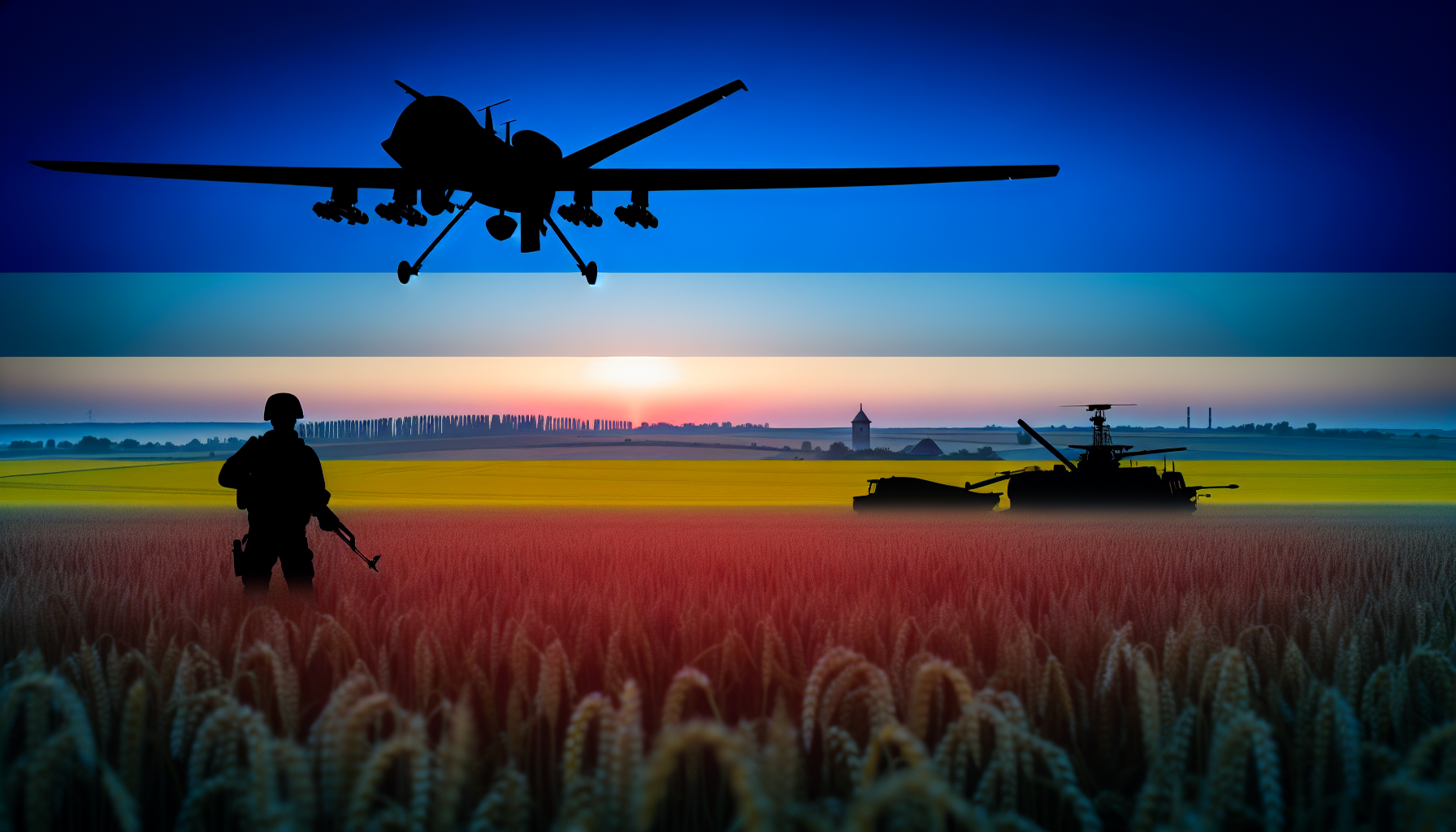
Drug Cartels and Drone Warfare: A Disturbing Intersection in Ukraine
Recent reports have revealed a shocking development: members of Mexican drug cartels are allegedly engaging in drone training on the front lines of Ukraine. This unusual move highlights a growing trend where organized crime is learning from military conflicts around the world. The implication is clear: these criminals plan to return home equipped with advanced drone technology to bolster their operations against rival organizations and evade American law enforcement.
Ukrainian Counterintelligence Investigations
The Security Service of Ukraine (SBU) has confirmed it is actively investigating potential infiltrations of its International Legion, a formation of foreign volunteers fighting alongside Ukrainian forces. The warning signs came from Mexico’s National Intelligence Center, which cautioned Ukrainian officials about certain recruits’ intentions. This investigation has drawn attention due to the involvement of Latin American drug trafficking organizations, specifically those from Mexico.
The Cartels’ Strategic Shift
The ramifications of this development cannot be overstated. Former President Donald Trump designated drug cartels as Foreign Terrorist Organizations, citing their role in violence and drug trafficking that destabilizes not just Mexico, but also impacts the security of the United States. This framing underscores the seriousness of allowing cartels to gain sophisticated military skills, particularly in technology as disruptive as drone warfare.
First-Person View Drones in Warfare
FPV (First-Person View) drones have become a significant asset in the ongoing conflict between Ukraine and Russia. These drones, operated by real-time video feeds, have been successfully used for precision strikes on key military targets, demonstrating their effectiveness in modern warfare. The mention of Operation Spiderweb, where coordinated FPV drone strikes targeted Russian military airfields, serves as a stark example of their strategic value.
Reports suggest that these illicit networks might aim to use this knowledge not just domestically but to establish a foothold in international illegal activities. Colombian nationals have also been implicated in these training efforts, raising broader concerns about the potential for Latin American criminal groups to gain a foothold in European conflict zones.
Escalating Drone Attacks
The conflict’s intensity has escalated recently, with both Ukraine and Russia ramping up their drone operations. Russia’s recent attacks, which included a significant launch of drones and cruise missiles, have resulted in casualties, emphasizing the persistent threat that drone technology presents. Ukraine has been equally proactive, with President Volodymyr Zelensky negotiating high-stake agreements for drone acquisitions, which could potentially be valued between $10 billion and $30 billion.
Cartel Tactics Evolve
Mexican cartels have begun integrating drones into their operations, adapting to tactical advancements in the battlefield. Reports indicate that these groups are using drone strikes in skirmishes against rival factions, showcasing their willingness to adopt and innovate upon military strategies to establish dominance. As an unnamed SBU official pointed out, Ukraine has morphed into a “platform for the global dissemination of FPV tactics,” catering to those looking to capitalize on modern warfare techniques.
The Global Impact of Criminal Training
The implications extend far beyond the battlefield. As cartels and other criminal organizations refine their combat strategies in Ukraine, they can disseminate this knowledge globally, creating a more sophisticated and lethal criminal element. The potential for rogue elements to harness military tactics for illicit activities places an added burden on both national and international security frameworks.
The convergence of drone warfare and organized crime in Ukraine illustrates the unpredictable consequences of modern conflict, where the lessons learned in one theater can reverberate across borders, further complicating an already fraught global security landscape. As developments unfold, both Ukraine and global stakeholders must remain vigilant about the challenging repercussions of these intersections in the age of advanced military technology.