


Advancements in India’s Counter-Drone Capabilities
Introduction to Indigenous Drone Systems
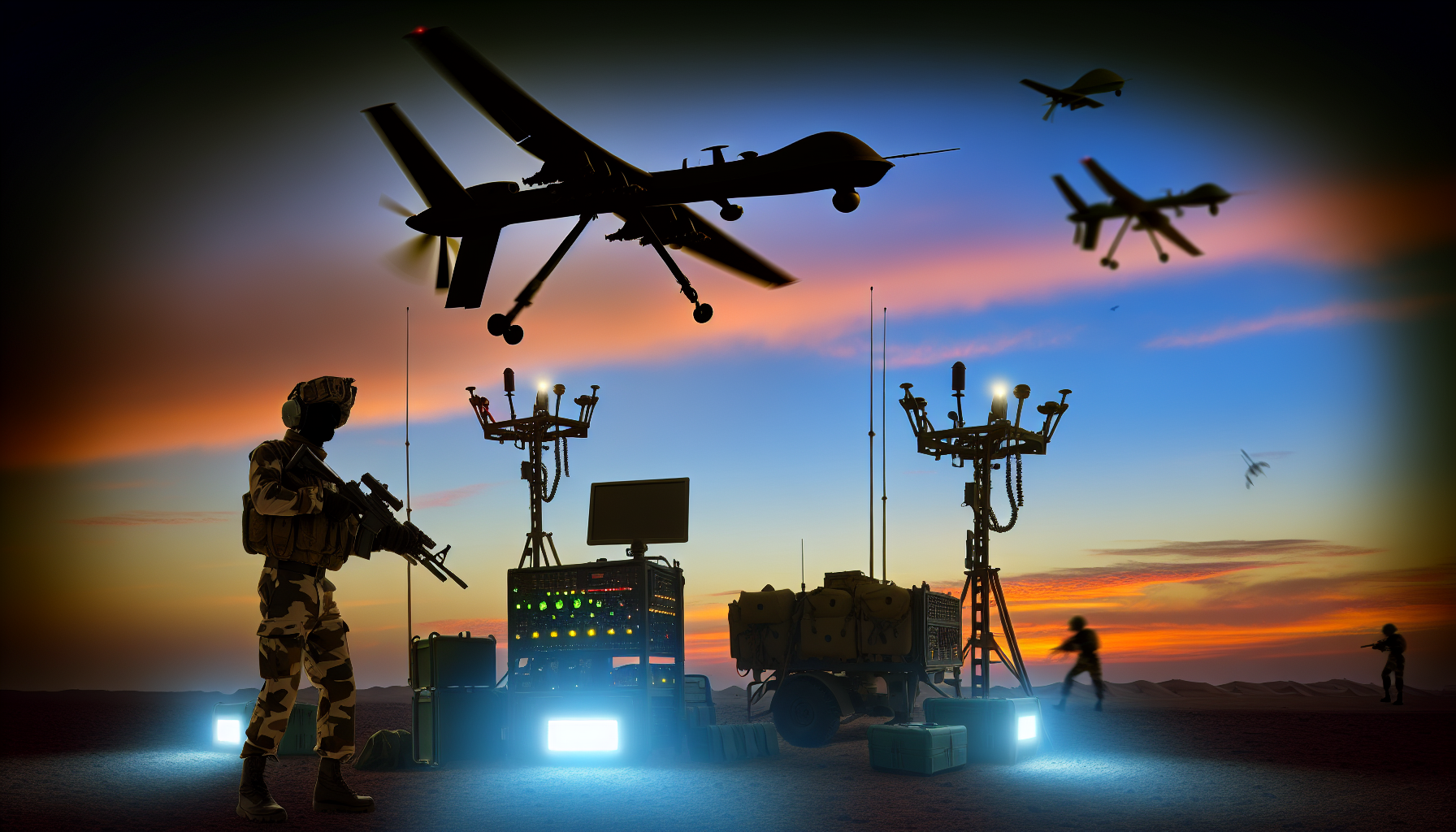
In recent years, the evolution of drone technology has prompted nations worldwide, including India, to enhance their defense mechanisms against aerial threats. The Indian Army and Air Force have taken significant steps towards this by preparing to deploy 16 indigenous drone detection and interdiction systems. These systems are designed not only to detect but also to neutralize unmanned aerial vehicles (UAVs) from a distance of up to 2 kilometers using advanced laser technology.
The Integrated Drone Detection and Interdiction System (Mark 2)
The focal point of this initiative is the Integrated Drone Detection and Interdiction System (Mark 2), developed by the Defence Research and Development Organisation (DRDO). This next-generation system distinguishes itself with its capability of engaging enemy drones using a robust 10-kilowatt laser. The previous version was limited to targeting drones at a distance of approximately 1 kilometer, marking a substantial leap in operational efficiency.
Direct Energy Weapons and Extended Ranges
Furthermore, the DRDO has successfully test-fired a direct energy weapon system capable of targeting threats at an impressive range of 5 kilometers. This system operates using a higher-powered 30-kilowatt laser, which has been in trial phases with support from various branches of the armed forces. In a groundbreaking demonstration in April, India showcased its ability to neutralize fixed-wing aircraft, missiles, and drone swarms, positioning it alongside nations such as the US, China, and Russia that possess comparable capabilities.
Successful Field Demonstrations
A particularly notable development was reported by the Combat Vehicles Research and Development Establishment (CVRDE) of DRDO, which conducted a successful field demonstration of the vehicle-mounted Laser Directed Weapon DEW MK-II(A) in Kurnool, Andhra Pradesh. During this demonstration, the system effectively targeted and downed both fixed-wing UAVs and drone swarms, inflicting structural damage and disabling their surveillance functions.
The Urgency of Anti-Drone Technologies
The need for advanced anti-drone systems in India has never been more pressing. Ongoing conflicts both domestically and internationally have illustrated the extensive reliance of enemy forces on drone technology for surveillance and offensive operations. The experience of Indian forces during recent skirmishes, particularly noted during Operation Sindoor, has underscored the critical role of UAVs in modern warfare.
Future Developments in Laser Technology
The DRDO is also exploring high-energy technologies beyond lasers, including high-energy microwaves and electromagnetic pulses, as part of its long-term strategy to advance India’s defense capabilities. Such advancements are significant, given that they not only augment existing systems but also pave the way for innovative approaches to aerial threat mitigation.
Conclusion
The strides made in developing indigenous counter-drone systems represent a crucial advancement for India’s military capabilities. As technology progresses, so too must the methods used to safeguard sovereignty and ensure national security. With ongoing trials, successful demonstrations, and strategic innovations in the pipeline, India’s defense posture is poised to adapt effectively to the evolving challenges posed by aerial threats.