


The Dubai Airshow: Australia’s Defence Presence Amid Controversy
In a vast conference hall on the outskirts of the Dubai desert, a retired military officer stands at the forefront of the Australia pavilion, offering what is described as “the key credibility of being in uniform.” This positioning is not merely symbolic; it serves a strategic purpose, providing defence companies with a unique advantage when engaging with visiting military delegations. As the Dubai International Airshow prepares to open, this dynamics showcases a blend of commerce, politics, and ethical considerations.
A Prime Location
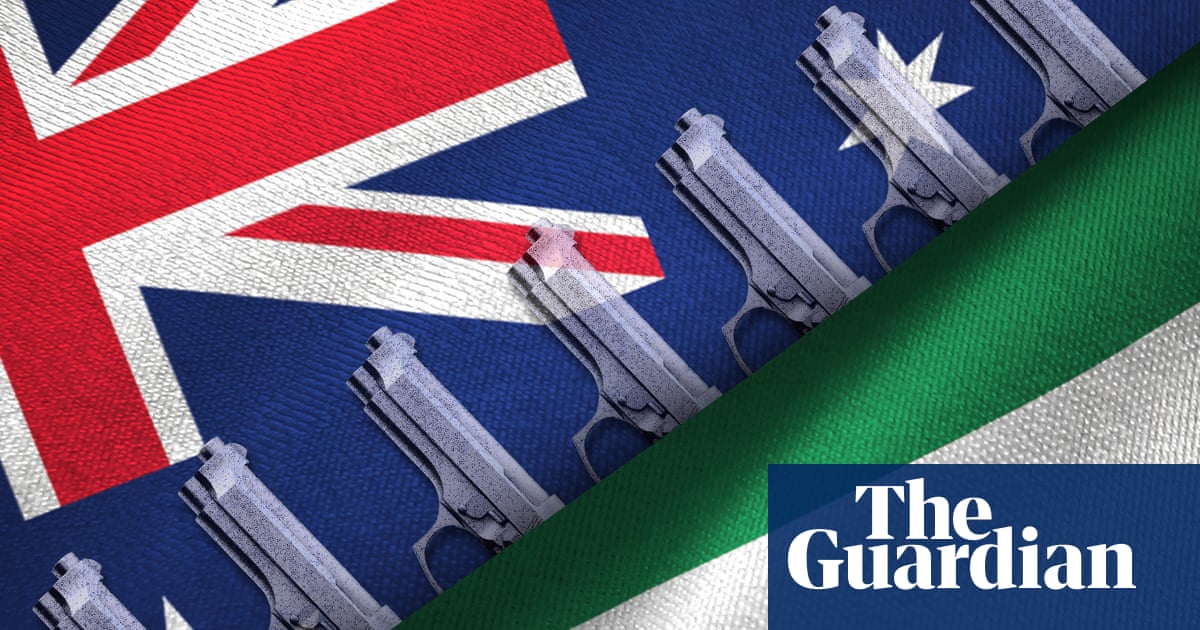
Starting Monday, the airshow positions itself as a premier showcase for cutting-edge military aircraft and air defence technologies. Team Defence Australia has secured prime real estate at the event, featuring more than 35 Australian companies keen to market their innovations. The rationale behind this prominent placement is clear: the United Arab Emirates (UAE) is Australia’s largest weapons export market, with nearly $300 million in arms and ammunition sent over the past five years.
This lucrative relationship, however, casts a shadow over the event, as numerous human rights groups and concerned Australian parliamentarians are vocalizing their apprehensions regarding the ethical implications of such exports.
Ethical Concerns Amid Commerce
Despite the commercial gains, the airshow is not devoid of serious ethical questions. Back in Australia, calls for a suspension of defence exports to the UAE resonate among various sectors, including politicians, human rights organizations, and religious groups. The UAE has been accused of arming a militia known as the Rapid Support Forces (RSF), alleged to be responsible for genocide in Sudan. The gravity of these accusations cannot be understated, particularly in light of the ongoing violence in El Fasher, a city recently captured by the RSF, where reports indicate thousands have been killed amid a campaign of mass killings, rape, and torture.
These claims have been corroborated by satellite data, capturing vital evidence—such as bodies on the ground—that underscores the catastrophic humanitarian crisis unfolding in the region. The stakes are high, and while sales pitches at the airshow will undoubtedly focus on technological advancements, the human cost behind these transactions remains largely unaddressed.
The UAE’s Role in Sudan’s Crisis
The RSF’s access to sophisticated weaponry sourced from the UAE has raised alarm bells. Reports indicate that arms have been utilized to launch brutal campaigns against non-Arab Sudanese civilians. With Australia being a significant supplier of arms to the UAE, questions emerge regarding how these weapons are ultimately employed.
The mounting evidence suggests that the UAE not only exports arms; it engages in a troubling nexus of military and economic interests, particularly via its dealings in Sudan’s gold trade. An estimated 90% of Sudan’s gold is smuggled out of the country, primarily to the UAE, ostensibly in exchange for arms.
Regulatory Oversight and Concerns
Australia’s arms export regime lacks transparency, raising concerns about the potential misuse of weapons once they leave Australian shores. Although official figures show that Australia exported $288 million in arms to the UAE, there is little clarity on the specific types of weaponry involved. This opacity has prompted calls for an urgent review of Australia’s arms export policies given the stark reality of where these weapons may end up.
Human Rights Watch (HRW) has emphasized that Australia has a legal obligation to ensure its military trade does not contribute to human rights abuses. However, the Australian export framework has been criticized for its inadequacy in monitoring the end usage of weapons exported to foreign entities.
Governmental Support for Defence Exports
Despite the concerns expressed by human rights advocates, the Australian government maintains a bullish stance on expanding its defence relationship with the UAE. In a recent communication to defence companies, Austrade highlighted the UAE’s extensive ongoing defence procurement program, suggesting “real opportunities for Australian suppliers.”
Interestingly, a retired high-ranking officer from the Australian Defence Force accompanies the delegation to facilitate discussions, lending an air of credibility that is strategically significant in an arms trade context.
Public and Institutional Sentiment
Voices of dissent are becoming more prominent within Australian society regarding the moral implications of engaging with regimes like the UAE. Politicians and activists warn that supplying weapons to nations with dubious human rights records only exacerbates ongoing conflicts. The recent advocacy from groups such as Quakers Australia and the Medical Association for the Prevention of War for an urgent parliamentary review underscores the growing unease within civil society over Australia’s arms exports.
As the airshow unfolds in Dubai, the stark contrast between business ambitions and moral responsibilities remains a critical discourse. The enduring question of whether wealth creation through the arms trade can ever justify the resultant human costs hangs heavily in the air, even amidst the buzz of military innovation and commerce.