


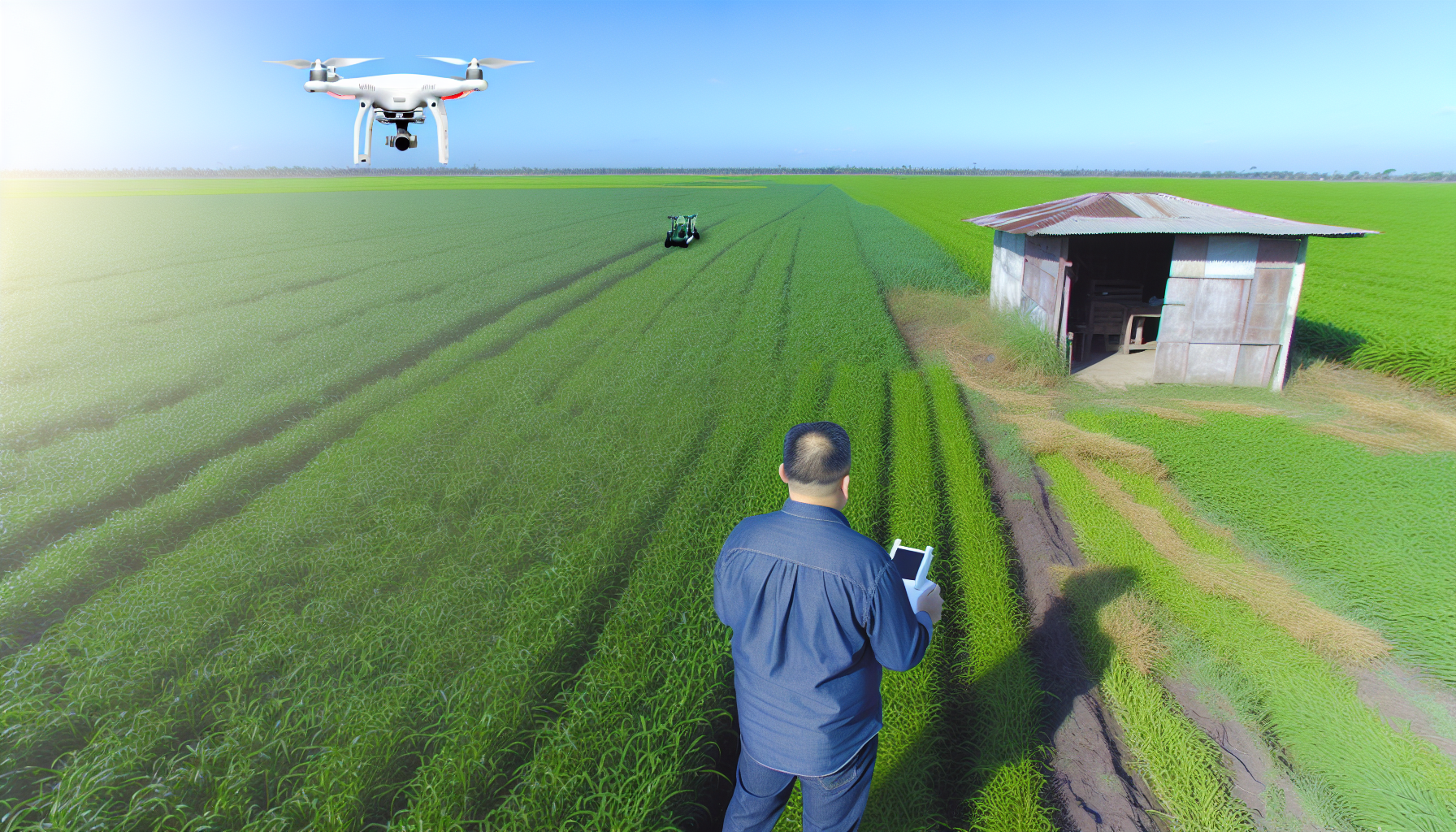
Embracing Innovation in Agriculture: The Story of Mitchel Hoare and King Country Ag Drones
Mitchel Hoare of King Country Ag Drones
Photo: RNZ/Sally Round

The Modern-Day Farmer
Meet Mitchel Hoare, a forward-thinking farmer based in New Zealand’s breathtaking King Country region. With a sprawling 500-hectare farm under his management, Mitchel’s plate is more than full. He juggles the responsibilities of running a farm, co-owning a native plant nursery, and launching a new agricultural venture focused on drone technology. This vibrant mix of traditional farming and cutting-edge technology exemplifies the evolving landscape of agriculture in the 21st century.
A New Venture Takes Flight
Mitchel’s latest venture, King Country Ag Drones, was born out of a shared vision with fellow farmer Andrew Blackmore. Established approximately six months ago, this initiative aims to fill a noticeable gap in the agricultural market. Agriculture is increasingly complex, and the duo recognized that innovative solutions were necessary to help farmers enhance productivity and efficiency.
Armed with “state-of-the-art equipment,” Mitchel and Andrew are not shying away from hard work. Their commitment is evident: despite their busy schedules, they dedicate their spare time to this endeavor, demonstrating a genuine passion for improving agricultural practices through technology.
The Role of Drones in Agriculture
Drones are revolutionizing various sectors, and agriculture is certainly no exception. With capabilities ranging from aerial mapping to crop health monitoring, drones provide farmers with invaluable insights. They can collect data more efficiently than traditional methods, allowing for timely decision-making that can significantly impact yields and sustainability.
For Mitchel and Andrew, using drones is not solely about fostering technological advancements; it’s about practical farming benefits. They aim to equip farmers in their community with tools that can streamline processes, reduce labor costs, and minimize environmental impact while enhancing crop health.
Bridging Tradition and Technology
What sets King Country Ag Drones apart is their commitment to maintaining the essence of traditional farming while embracing new technologies. For Mitchel, the integration of drones reflects an understanding of both the land and the future. Farming isn’t just about following age-old practices; it’s about adapting to changing times and challenges.
Mitchel believes that technology should not overshadow the core values of agriculture, such as hard work, community, and sustainability. Instead, he sees drones as a complement to traditional farming practices, enhancing the farmer’s ability to manage their land more effectively.
A Community-Centric Approach
At its heart, the venture addresses the needs of local farmers. With farming often viewed as a solitary profession, Mitchel and Andrew are fostering a sense of collaboration and community spirit. Their venture encourages local farmers to share knowledge, experiences, and strategies, creating an environment where innovation thrives.
As they evolve their services, Mitchel foresees developing workshops and training programs to help local farmers harness the full potential of agricultural drones. This approach not only enhances farming practices but also strengthens the community, ensuring that everyone benefits from advancements in technology.
The Road Ahead
Although relatively new, King Country Ag Drones is rapidly gaining traction in the agricultural community. Mitchel’s enthusiasm is palpable; he is genuinely excited about the opportunities that lie ahead. As they continue to pave the way for modern agricultural practices, the duo is committed to navigating new challenges, exploring innovative solutions, and pushing the boundaries of what is possible in farming.
For those interested in following their journey and learning more about the intersection of technology and agriculture, podcasts like “Country Life” provide a wealth of information, available on platforms like Apple Podcasts, Spotify, and iHeart.
Mitchel Hoare’s story serves as an inspiring reminder of how traditional practices can harmoniously coexist with modern innovation, creating a brighter future for farming.