


The Latest on Ukraine’s Peace Talks: Analyzing the Landscape
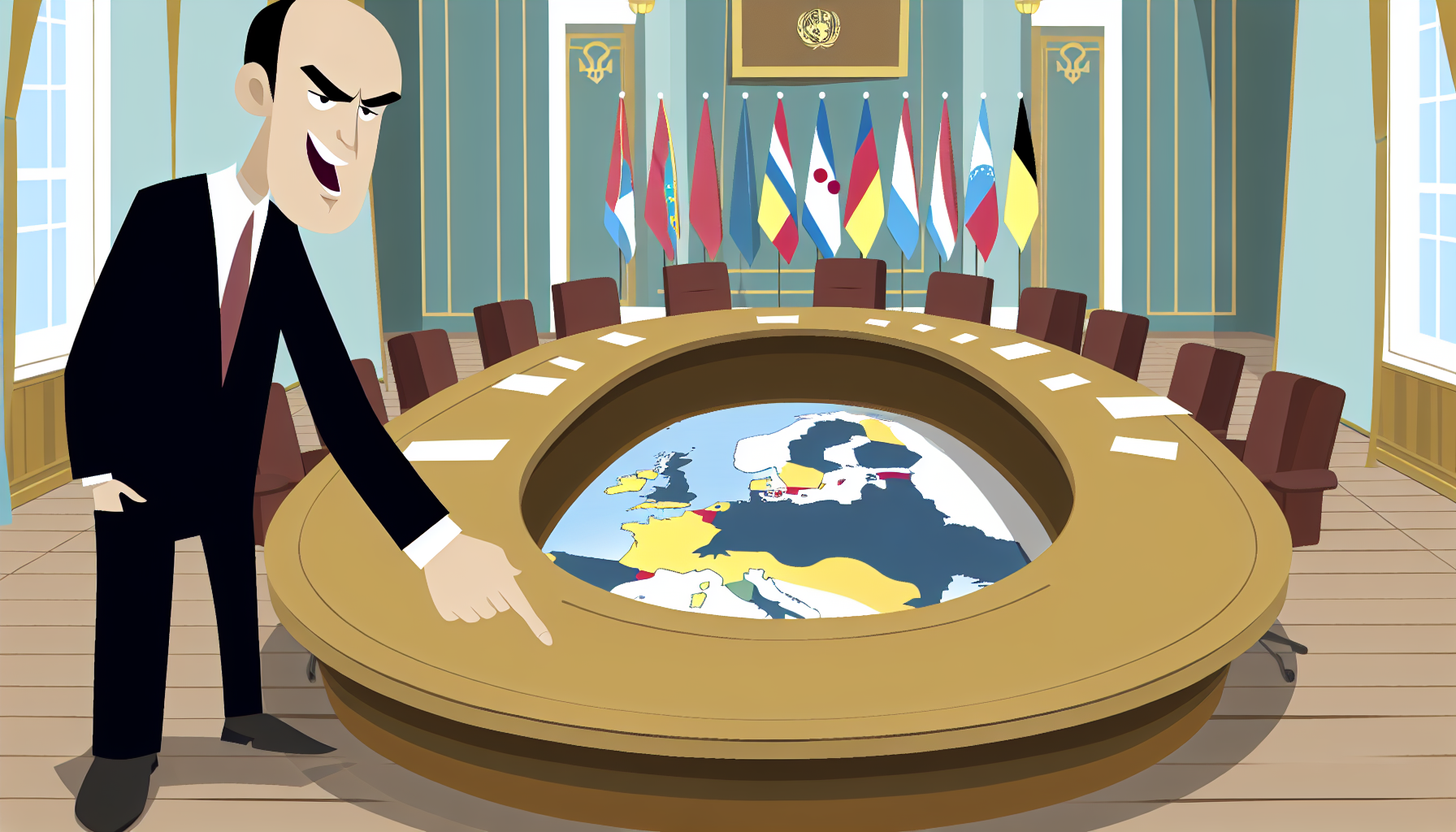
With the backdrop of ongoing conflict and geopolitical tension, the recent peace talks in Geneva have garnered significant attention. Hosted in Switzerland, diplomats from the United States, Ukraine, Britain, France, and Germany convened to discuss a crucial 28-point proposal aimed at ending hostilities resulting from Russia’s invasion of Ukraine, which began in February 2022. This article delves into the intricacies of the proposed deal, the reactions it has elicited, and what it means for the future of Ukraine and its allies.
Diplomatic Developments
As the negotiation table was set in Geneva, U.S. President Donald Trump publicly expressed discontent with both European nations and Ukraine’s leadership. He accused Ukrainian officials of failing to acknowledge U.S. support and criticized European countries for continuing to import Russian oil. His remarks, shared on Truth Social, highlighted a growing frustration within segments of U.S. leadership regarding the perceived lack of gratitude from Kyiv amidst its ongoing conflict.
The backdrop of these talks is a delicate one, fueled by the need to address a war that has led to considerable loss of life and ongoing humanitarian crises. Ukraine’s President, Volodymyr Zelenskyy, despite the harsh rhetoric, conveyed optimism on social media, expressing hope for constructive outcomes from the discussions.
The Proposed Plan: Key Components
While the specific details of the proposed 28-point plan remain largely undisclosed, leaks suggest that it may heavily favor Russian demands. Preliminary outlines indicate that significant concessions from Ukraine may be required, including the potential surrender of the Donbas regions—Donetsk and Luhansk—and Crimea.
The plan may also enforce a constitutional ban on Ukraine’s NATO aspirations, add limitations on military capabilities, and necessitate a rollback of certain financial sanctions on Russia. In exchange, Ukraine would reportedly receive security guarantees primarily from the U.S., the opportunity for EU membership, and some financial aid.
Reactions from Political Leaders
The proposed peace plan has faced backlash not only from Ukrainian officials but also from lawmakers across the political spectrum in the U.S. Both Democrats and Republicans have expressed concerns that the plan’s terms could compromise Ukraine’s military capacity and stability. A joint statement emphasized that meaningful peace cannot be achieved through concessions that degrade Ukraine’s defensive capabilities.
Figures such as Senator Mitch McConnell have stressed that yielding to Russian demands would be disastrous, framing it as a major error in U.S. foreign policy. Conversely, U.S. Secretary of State Marco Rubio countered criticisms by insisting that while the proposal incorporated Russian views, it was fundamentally a U.S.-crafted document.
Ukraine’s Position: Seeking Accountability and Support
In the midst of these negotiations, Ukraine finds itself at a precarious juncture. Despite assertions of loyalty to its allies, Zelenskyy has indicated that Ukraine will not forsake its interests. The president’s statements underline the tension between seeking peace and maintaining national sovereignty.
While Zelenskyy’s expressions of gratitude towards U.S. support are well-documented, the situation emphasizes a deeper need for robust backing from Western allies. This need becomes even more critical as Ukraine faces ongoing military aggression.
The Broader Implications for Europe and the U.S.
The peace talk dynamics have far-reaching implications for the European Union and NATO. Key allies, including Britain, Germany, and France, have voiced the necessity for a comprehensive review of the proposal, suggesting it may require substantial alterations to protect Ukraine’s standing and security.
As discussions evolve, NATO’s role and its military readiness in Eastern Europe will be scrutinized. The concerns about potential vulnerability following the imposition of limits on Ukraine’s military capabilities are palpable among European leaders who recognize the risks of a diminished deterrent against future aggressions.
Assessing the Current State of Play
As the geopolitical chessboard continues to shift, the Geneva talks serve as a reflection of the intricate and often fraught negotiations surrounding the future of Eastern Europe. With the specter of continued conflict looming, the outcomes of these discussions will not only impact Ukraine directly but also delineate the contours of U.S.-Europe relations and the broader international response to aggression.
In an environment rife with uncertainty and diverse perspectives, one thing remains clear: the path to lasting peace will require careful navigation of complex political landscapes and an understanding of the historical context surrounding this enduring conflict.