


OpenAI and Anduril: Navigating the Intersection of AI and Defense
Introduction
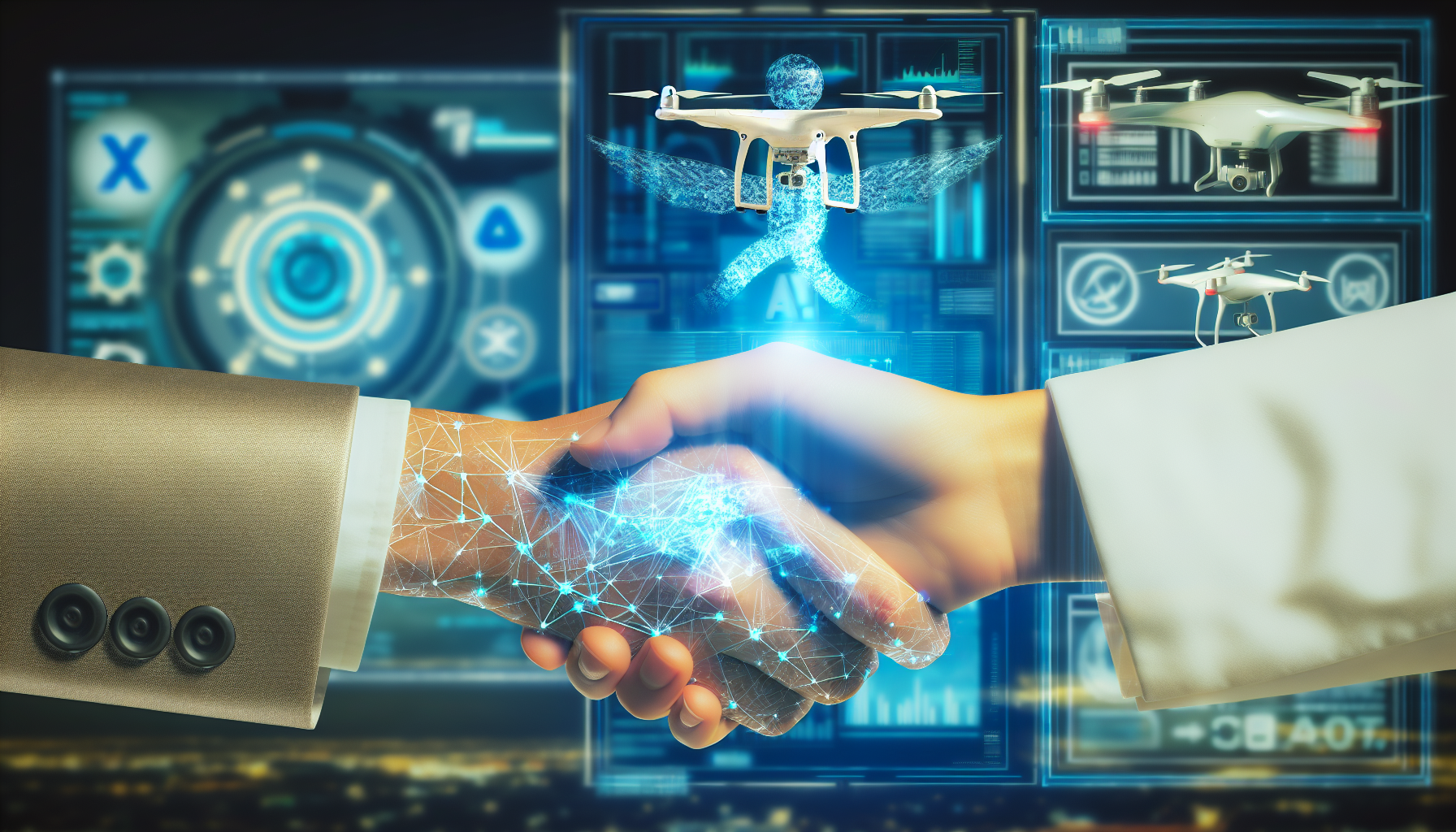
OpenAI’s strategic partnership with defense contractor Anduril marks a pivotal moment in the evolution of artificial intelligence within military frameworks. As the capabilities of autonomous drones are set to be enhanced, the implications of this collaboration deserve thorough examination. Not only does it signify a departure from OpenAI’s historical stance on military applications, but it also raises critical ethical questions that challenge our understanding of AI’s role in warfare and its broader impacts on global security.
A Shift in Philosophy
Historically, OpenAI maintained stringent policies against deploying its AI technology for military applications. However, the new partnership with Anduril represents a significant pivot in strategy. OpenAI CEO Sam Altman has underscored that the collaboration seeks to uphold democratic values while protecting U.S. military personnel in critical situations. This shift signals an evolving perspective on how AI can contribute positively to national security.
The integration of OpenAI’s advanced models into Anduril’s autonomous drones aims to streamline decision-making processes for military operators. By refining the performance of these systems, the collaboration aspires to enable quicker, more informed responses during high-pressure scenarios. Anduril CEO Brian Schimpf emphasizes a commitment to developing solutions prioritizing accuracy and speed, further demonstrating a forward-thinking approach to defense technology.
Ethical Implications
While the technological advancements promised by this partnership are significant, they also invite scrutiny regarding their ethical implications. The decision to embrace military applications has sparked conversations among observers, particularly those familiar with OpenAI’s prior positions. The recent policy changes have elicited mixed reactions internally, with employees expressing various levels of discomfort regarding this new trajectory.
OpenAI’s spokesperson maintains that the partnership does not aim to create systems intended for harm; yet, the integration of AI in military contexts inherently invites ethical dilemmas. Critics highlight the risk of developing more advanced weapons systems that could potentially undermine OpenAI’s original mission of fostering beneficial AI. The challenge lies in ensuring that technological innovations do not inadvertently contribute to escalated conflict or human suffering.
The Role of AI in Warfare
The integration of AI into modern warfare is increasingly evident, reshaping how military strategies are conceived and executed. While autonomous drones are not a novel concept, the incorporation of advanced AI models signifies a fundamental evolution in defense technology. These innovations promise increased operational efficiency and improved decision-making capabilities for military forces.
As AI systems become more autonomous, the complexities of accountability and control amplify. Ensuring responsible use is critical to mitigating potential misuse. The OpenAI-Anduril collaboration serves as an important case study for navigating the balance between technological enhancement and ethical considerations in warfare.
The Future of AI in Defense
Looking ahead, the ramifications of this partnership could set a precedent for future collaborations between AI innovators and defense contractors. The potential for AI to revolutionize military operations is immense, driving efficiency and effectiveness in national security measures. However, this evolution necessitates a careful examination of the ethical underpinnings of such advancements.
Establishing precise guidelines and policies will be crucial to safeguarding against unintended consequences. Transparency and accountability must be cornerstones of this dialogue to prevent the misuse of AI technologies in defense. As various stakeholders engage with these complex issues, a pivotal question emerges: how can advancements in AI be aligned with ethical standards that serve humanity’s best interests?
Conclusion
OpenAI’s foray into defense technology through its partnership with Anduril is far-reaching. The integration of AI within military operations introduces both benefits and ethical challenges that require attention. Ongoing discussions surrounding AI and defense emphasize the necessity for responsible innovation while grappling with the implications of these technologies. As society navigates this intricate landscape, understanding the interplay between artificial intelligence and military applications will shape the contours of future global security.
This article offers insights drawn from verified sources, illuminating the multifaceted relationship between AI and defense.