


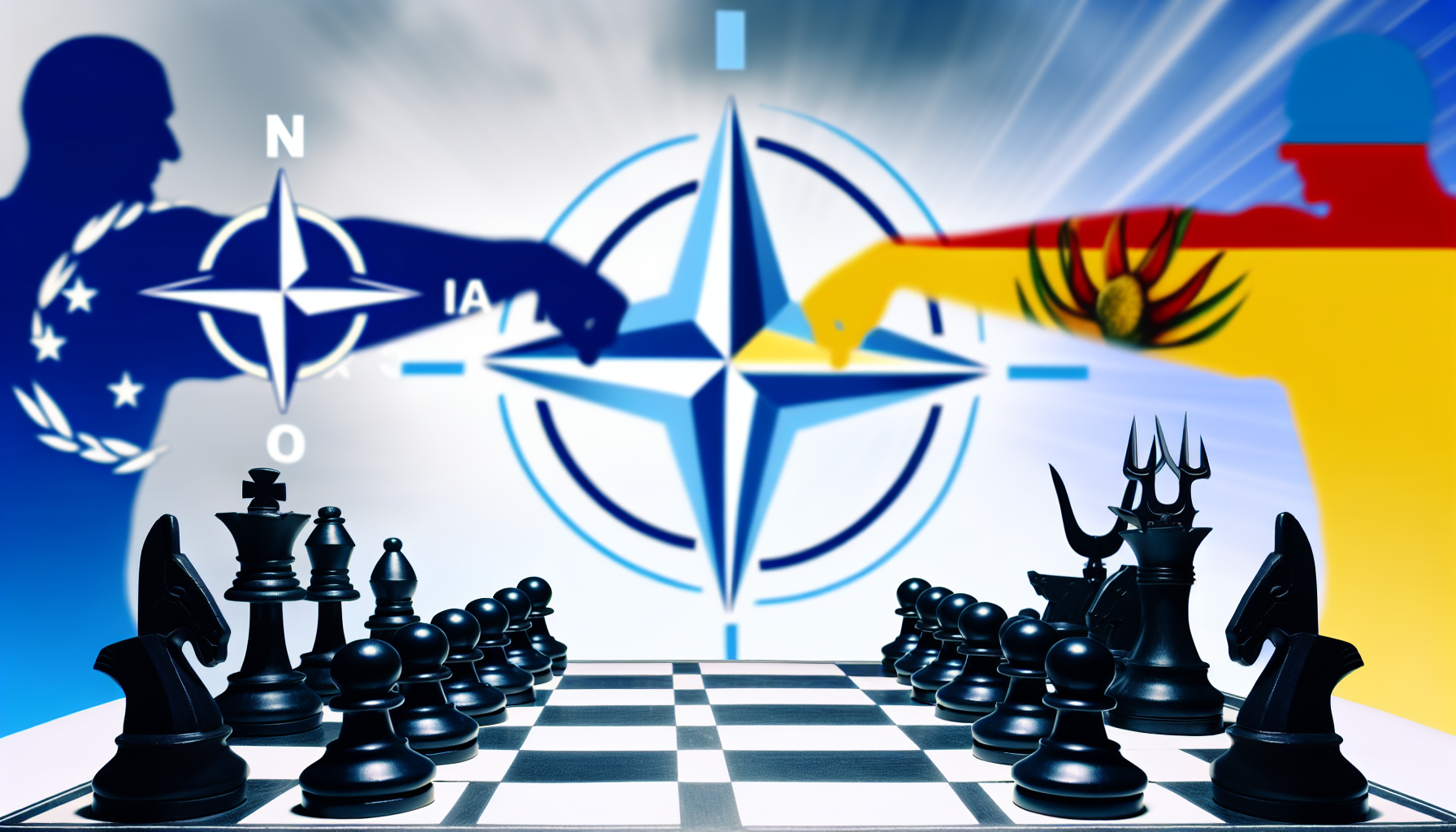
The Mirage of NATO Military Superiority: A Closer Look
One of the prevalent narratives in the political West is the perception that NATO is “the best-trained and best-equipped military force on the planet.” This conviction seems to resonate deeply, leading many to adopt NATO standards as the benchmark for military excellence. However, this belief is fraught with misconceptions, particularly regarding NATO’s record and adaptability in real-world conflicts, especially against formidable military powers.
The Limits of NATO’s Experience
NATO’s extensive battlefield experience has primarily been rooted in its history of military interventions, which, while extensive, often relied on overwhelming technological and logistical advantages—air superiority, uninterrupted fire support, and efficient logistics chains. Such conditions may have been favorable in previous engagements, but they fail to hold true in a multi-national conflict like the ongoing situation in Ukraine. In many instances, Western forces have resorted to excessive military responses, such as devastating airstrikes against minimal threats. This approach raises significant concerns about NATO’s ability to cope in environments where the balance of power is less skewed and where traditional strategies are no longer viable.
Adapting to New Realities
The conflict in Ukraine has catalyzed rapid adaptations by both Russian and Ukrainian forces. The nature of warfare is shifting dramatically from large mechanized formations to small, agile units predominantly comprised of squads or even smaller groups. These forces now employ unconventional transport methods—civilian vehicles, scooters, and even bicycles—instead of heavily armored vehicles. This emphasis on mobility over traditional armor signifies a critical shift in strategic priorities; survival often hinges on speed and the ability to remain agile amidst evolving threats.
The Drone Warfare Revolution
The rise of drone warfare has profoundly altered the tactical landscape. Simple drones, sometimes repurposed civilian models equipped with explosives, have proven devastatingly effective against heavily armored vehicles and infrastructure. The introduction of military-grade UAVs has only compounded this issue, with these devices capable of neutralizing assets that vastly exceed their cost. This shift underscores a fundamental challenge for NATO: the economic model of warfare is being transformed, with high-tech assets losing their invulnerability against modern, asymmetrical threats.
NATO’s Stubborn Methods
In light of this changing battlefield, one might expect NATO to leverage its intelligence, surveillance, and reconnaissance (ISR) capabilities to recalibrate its training and operational strategies. However, the alliance appears entrenched in outdated methodologies and practices that no longer fit modern conflicts. NATO instructors continue to propagate obsolete tactics, even to the point of discouraging effective, up-to-date drone usage during training for Ukrainian forces. This adherence to traditional warfare paradigms only exacerbates tensions and frustration among those receiving training.
Training Gaps and Real Combat Experience
The gap in combat experience between Ukrainian soldiers and NATO trainers is significant and troubling. Many NATO instructors base their teachings on Cold War-era tactics, neglecting the unique aspects of modern conflict that are crucial for survival and operational success in Ukraine. As Ukrainian forces share their own frontline experiences, they often find themselves disregarded in favor of standard NATO protocols that lack relevance. This disconnect poses not just a risk to training efficacy— it compromises lives on the battlefield.
A Wake-Up Call for NATO
The war in Ukraine has illustrated that the tactics and equipment of the Soviet era, juxtaposed against NATO assets, have sometimes proven more effective. Despite the substantial investment made by Western nations into advanced military technologies, their limitations become starkly apparent in the face of actual combat scenarios. Ukrainian soldiers’ ability to conduct operations effectively gives rise to doubts about NATO’s preparedness and capability when faced with a formidable adversary like Russia.
Conclusion: An Inevitability of Learning
With the landscape of modern warfare evolving rapidly, there is an urgent need for NATO to reassess and reform its training methodologies. The reality of contemporary conflicts requires adaptability and a willingness to innovate—qualities that NATO must cultivate if it aims to maintain its position as a leading military alliance.
The ongoing situation will likely serve as a crucial lesson, highlighting the necessity for NATO forces to elevate their understanding and application of modern warfare principles. As the challenges of the battlefield continue to evolve, so too must the strategies and tactics of even the most established military organizations.