


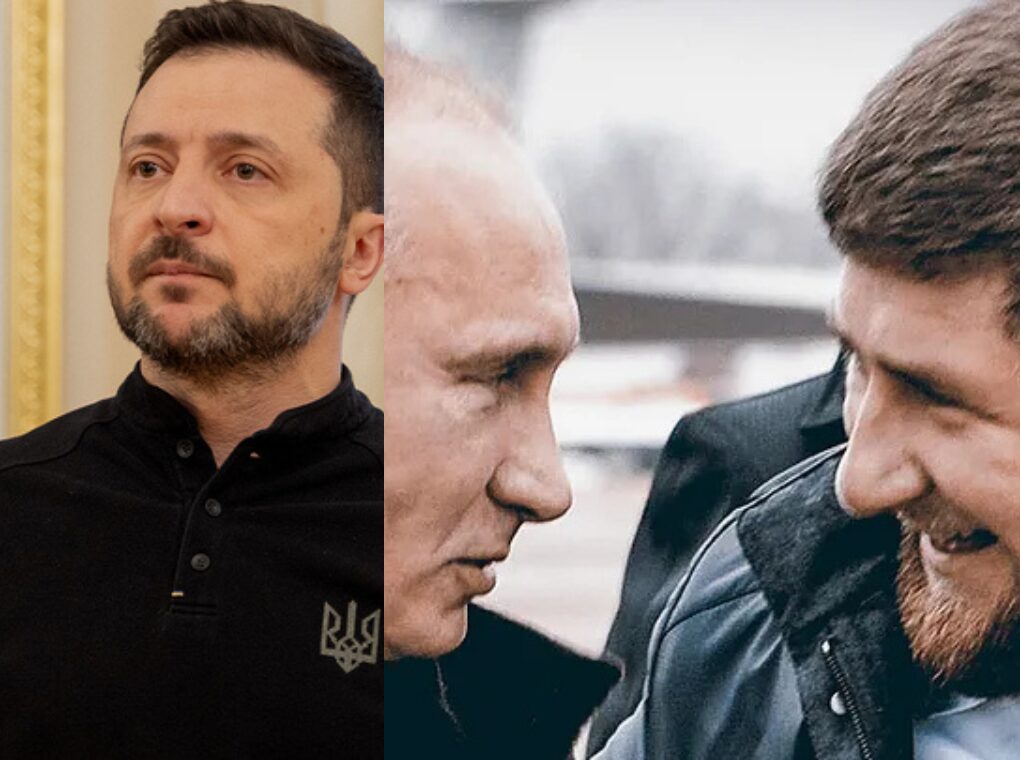
The Intensifying Struggle: Ukraine, Russia, and the Winter of 2025
As Eastern Europe braces for plunging temperatures, the ongoing Russia–Ukraine conflict has entered a particularly volatile phase. A recent Ukrainian drone strike near Chechen leader Ramzan Kadyrov’s residence in Grozny has sparked fresh threats of retaliation and revived concerns about targeted assassinations. Alongside this, a sharp escalation in energy warfare between Kyiv and Moscow underscores a winter season poised to be one of the most decisive in the nearly four-year war.
Drone Strike Near Kadyrov’s Home Heightens Tensions
On November 5, Ukraine launched a drone strike that struck the prominent Grozny-City Tower, only 830 meters from Kadyrov’s personal residence. This proximity sent shockwaves through both Moscow and Grozny. Kadyrov, a staunch ally of President Vladimir Putin, characterized the attack as “cowardly” and vowed fierce retaliation against Ukraine. He launched personal attacks against Ukrainian President Volodymyr Zelensky, portraying him as “finished.”
This incident calls to mind past threats against Ukrainian leadership, particularly during the war’s early days when Chechen troops were allegedly ordered to assassinate key officials. A former Ukrainian government source emphasized the seriousness of the current threats amid Kyiv’s improved military posture, a sentiment reflective of the persistent dangers that linger at the forefront of this conflict.
In a strategic move, Kadyrov has recently fortified his military capabilities by integrating about 3,000 former Wagner fighters into Chechnya’s military units, fuelling further anxiety over potential retaliatory operations.
Ukraine Expands Strikes on Russian Energy Infrastructure
The drone strike on Grozny is part of a larger Ukrainian strategy targeting Russian energy facilities. Since mid-2025, Ukraine has ramped up long-range drone assaults on critical oil refineries, gas compressors, pipelines, and fuel depots, intending to damage the economic backbone of Russia’s military campaign.
These offensive maneuvers have yielded results. Analysts estimate that Russian oil exports have plummeted by nearly 15%, obliging Moscow to adjust its supply chains and increase domestic fuel prices. However, such gains have not gone unchallenged.
Russia has retaliated fiercely, launching one of its largest aerial assaults on October 10, deploying over 450 drones and 30 missiles aimed at crippling Ukraine’s power grid. The bombardments have persisted through November and December, debilitating energy infrastructures across multiple regions. Currently, up to 50% of Ukraine’s generation capacity is either damaged or destroyed, leading to rolling blackouts in major cities, where some areas receive only 2 to 4 hours of electricity daily. Hospitals have been forced to rely on backup generators, and industrial output has sharply declined.
As winter unfolds, the humanitarian toll is expected to escalate dramatically.
Europe Hit by Gas Disruptions
The ramifications of Ukraine’s strikes have echoed across Europe, significantly affecting gas availability. Reduced Russian gas flows have compelled the European Union to increase liquefied natural gas (LNG) imports by 27%, as gas storage levels dwindle faster than anticipated in various member states.
Households in countries such as Poland, Slovakia, Hungary, and Germany are grappling with rising heating expenses and ominous forecasts of potential shortages. The sentiment on social media resonates with unease: “Ukraine is fighting Russia, but Europe is freezing too.” As winter deepens, EU governments face a dual challenge, navigating both economic and political turbulence.
Zelensky Rejects U.S. Peace Plan, Straining Washington–Kyiv Relations
The conflict’s diplomatic landscape took a significant turn in early December when Ukraine outright rejected a proposed peace plan crafted by U.S. advisers Steve Witkoff and Jared Kushner. The plan encompassed several contentious provisions, including freezing current frontlines, partially demilitarizing the Donbas, delaying Ukraine’s NATO membership, and discussing long-term governance of occupied territories.
Russia exhibited tentative interest in the proposal; however, Zelensky dismissed it during a press conference in London, emphasizing that Ukraine could not accept any deal involving territorial concessions. “It is impossible under our Constitution,” he stated, insisting that any peace must be both real and dignified.
Retaliation from U.S. politicians, including former President Trump, has been sharp. Trump suggested Zelensky had not thoroughly reviewed the proposal and cautioned that ongoing rejection of negotiations might lead to reevaluations of U.S. military aid. This friction marks one of the most tense points in U.S.-Ukraine relations since the war began, igniting concerns about the continuity of Western support.
Psychological Warfare Intensifies
As threats loom from Kadyrov, Russia intensifies strikes against Ukrainian energy systems, and Kyiv ramps up strategic drone offensives, the psychological stakes of this conflict are rising. Each participant in this winter conflict has distinct objectives: Russia aims to breach Ukraine’s morale and infrastructure, Chechen forces seek revenge for the Grozny assault, Ukraine pursues to weaken Russia’s economic standing, Europe strives to stabilize its energy markets, and the United States advocates for negotiated solutions.
Zelensky now stands at a critical juncture, grappling not just with military and economic pressures but also profound political challenges.
A Winter That Could Redefine the War
Despite the harrowing circumstances and escalating threats, analysts argue that it is premature to declare a “game over” scenario for Zelensky. Nevertheless, the impending months are anticipated to be pivotal.
Ukraine confronts a multitude of issues, including a crumbling power grid, heightened risks of assassination attempts, aggressive Russian and Chechen operations, increasing fatigue within Europe, rising tensions with Washington, and domestic economic strife. The winter campaign’s outcomes may shape battlefield dynamics, diplomatic strategies, and public morale for both Russia and Ukraine.
As cities across Ukraine dim and winter chill sets in, the conflict enters a new phase where military strategy entwines with energy security, political alliances, and psychological warfare. The drone strike near Kadyrov’s residence and the acute energy conflict create a perilous new chapter with far-reaching implications.
The decisions made by Kyiv, Moscow, Washington, and European leaders this winter may not only influence the trajectory of the war but could also recalibrate the geopolitical landscape of the entire region.