


Tensions Resurface: A Fatal Attack on U.S. Personnel in Syria
Overview of the Incident
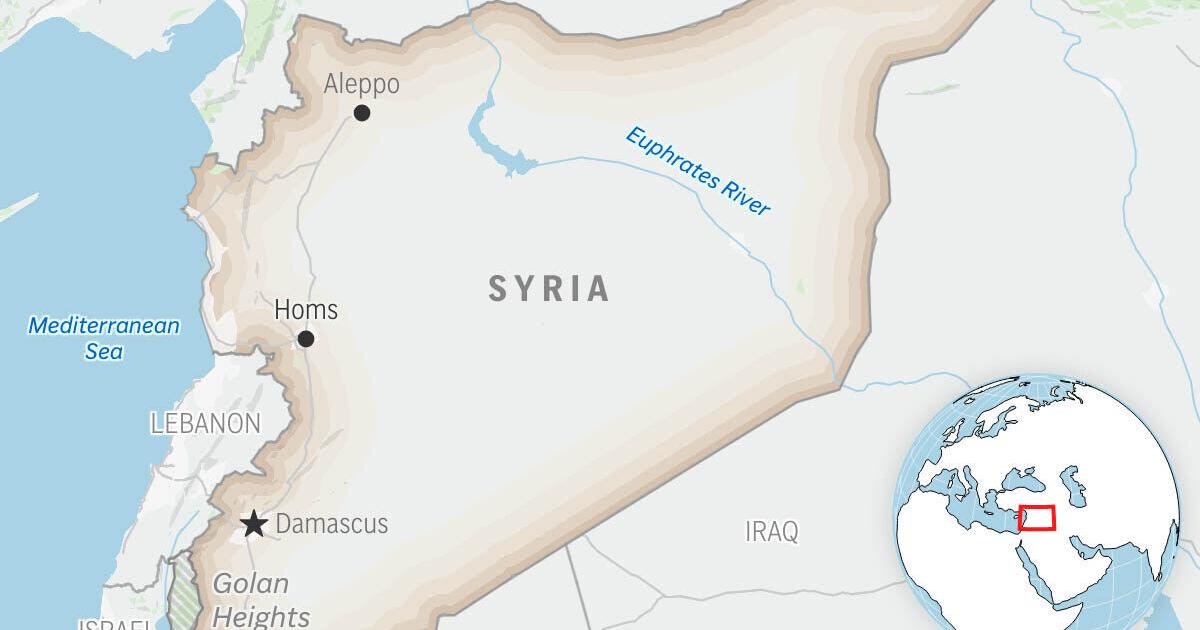
A tragic ambush on Saturday in central Syria resulted in the death of two U.S. service members and an American civilian. Additionally, three others sustained injuries from the attack, carried out by a lone fighter affiliated with the Islamic State group. This incident highlights the persistent threats in the region, even amid changing geopolitical dynamics.
Context of U.S. Involvement
The U.S. has had a military presence in Syria since 2014, originally aimed at combating the rise of the Islamic State, which at its peak controlled significant territories in both Iraq and Syria. This presence has evolved, focusing not only on counter-terrorism but also on stabilizing areas liberated from ISIS control. The U.S. military continues to operate alongside Kurdish Syrian Democratic Forces, which have been instrumental in the fight against the extremist group.
The Significance of This Attack
This particular attack marks the first fatal incident involving U.S. troops in Syria since the fall of President Bashar Assad a year ago. The geopolitical landscape in Syria has undergone significant changes, but this event serves as a stark reminder that threats from ISIS and other extremist factions remain impactful. The ambush not only highlights the risks faced by U.S. military personnel but also raises questions about the long-term stability of the region.
The Role of the Islamic State
Though the Islamic State has lost most of its territorial claims, it continues to operate as a guerrilla group, utilizing hit-and-run tactics to target U.S. forces and local allies. The organization has been known to exploit the power vacuums and local grievances, allowing it to conduct attacks despite being greatly weakened. Assessing the ongoing danger posed by such groups is crucial for U.S. military and foreign policy.
The Broader Implications
The fatalities from this ambush may have far-reaching impacts on U.S. military strategy in the region and on the American public’s perception of ongoing military engagements. As the Biden administration navigates its foreign policy, incidents like this could lead to calls for reassessment of troop deployments and engagement rules. Furthermore, the loss of lives can reignite debates over U.S. involvement in overseas conflicts.
Public and Political Reactions
Reactions to the ambush were swift, with expressions of condolences from military and governmental leaders. This incident can also be expected to galvanize discussions in Congress regarding the future of U.S. military presence in Syria and the appropriateness of interventions in such complex political landscapes. The emotional toll on families and the military community will likely intensify advocacy for more rigorous evaluations of foreign military engagements.
Conclusion of Insights
Although the attack itself evokes immediate and visceral responses, the underlying issues point to a broader discussion about U.S. involvement in conflict areas. The complexity of the situation in Syria necessitates a multifaceted approach that considers not just military action, but also diplomatic and humanitarian measures. Continued vigilance is required to navigate the intricate challenges posed not only by ISIS but by a myriad of local and regional dynamics in Syria and beyond.