


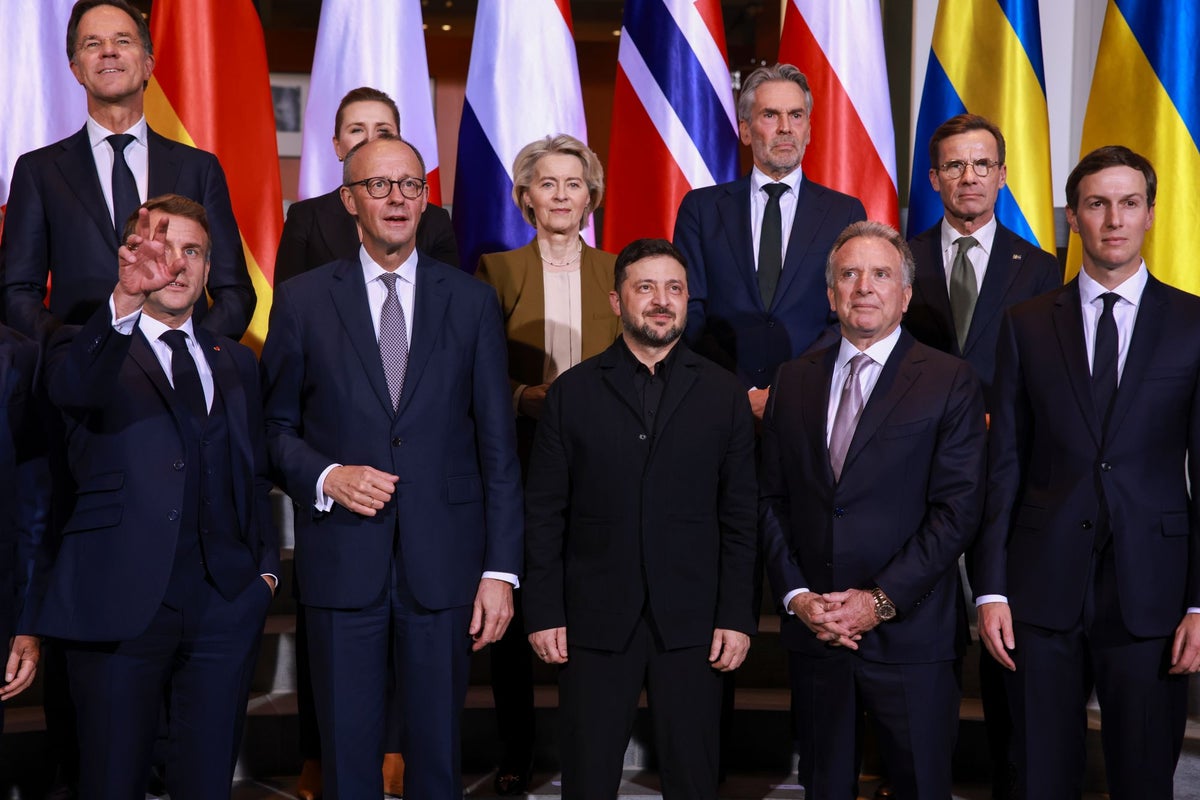
Foreign Secretary Yvette Cooper’s Concerns on Security Guarantees for Ukraine
In a recent session before the Foreign Affairs Committee, UK Foreign Secretary Yvette Cooper faced questions regarding the UK’s involvement in potential security guarantees for Ukraine. When pressed for details, Cooper maintain a sense of confidentiality, emphasizing the complexities of ongoing discussions among nations involved in the coalition supporting Ukraine.
Cooper remarked, “We are obviously a leading part of the coalition of the willing,” hinting at a collaborative effort among various defense ministries and armed services. She noted that these discussions are dynamic, reflecting the evolving geopolitical landscape.
Acknowledging the importance of the questions posed, Cooper stated, “It would be premature for me to try and go into further detail,” reinforcing the notion that specifics are still being negotiated behind closed doors. This cautious approach underscores the delicacy of international relations, particularly regarding commitments that could shape the future security framework for Ukraine.
Urgent Review into Foreign Interference in UK Politics
In a stark development within UK politics, the government has ordered an urgent review into foreign interference, particularly in light of recent controversies. This move comes after Nathan Gill, a former leader of the Reform UK party in Wales, was sentenced to 10 and a half years in prison for receiving payment to voice pro-Russian sentiments in the European Parliament. His actions have been described as a “stain on our democracy.”
Housing Secretary Steve Reed announced the review in the Commons, emphasizing the need to reassess the security measures in place to protect against electoral malpractice. His comments reflect growing concerns surrounding the integrity of UK politics amidst increasing foreign influence.
Russia’s Designation of Deutsche Welle as ‘Undesirable Organization’
In an alarming move, Russian authorities have classified the German broadcaster Deutsche Welle as an “undesirable organization,” effectively barring its operations within the country. This designation is reflective of a broader crackdown on independent media, particularly those that challenge state narratives.
Under Russian law, engaging with an “undesirable organization” constitutes a criminal offense. The decision was publicly announced by Vasily Piskaryov, who leads a parliamentary commission focused on foreign influences in Russian affairs. He criticized Deutsche Welle’s educational initiatives, alleging that they train “disinformation specialists.”
In response, Deutsche Welle’s Director General, Barbara Massing, expressed this designation as Russia’s attempt to silence independent journalism. She affirmed the organization’s commitment to reporting on critical issues, including the ongoing war in Ukraine.
Lithuania’s Crackdown on Smuggling Networks
Lithuania has made significant strides in addressing smuggling operations, particularly involving a unique modus operandi—using weather balloons to transport cigarettes from Belarus. Authorities have arrested 21 individuals allegedly connected to this network following an extensive investigation that included over 80 searches.
The smuggling operation, characterized by strict organization and coordination, reportedly relied on tracking technology to guide the balloons into Lithuanian territory. The discovery of cigarette packages with Belarusian excise stamps, along with various communication and tracking devices, underscores the complexity of this criminal enterprise. This operation triggered national security concerns, forcing Lithuania to declare a national emergency and close border crossings.
The Current State of the Zaporizhzhia Nuclear Power Plant
The Zaporizhzhia nuclear power plant, a focal point in the ongoing conflict, currently operates on only one of its two external power lines. Russian management at the facility reported that military activities have caused disconnection from the other line, raising concerns over the plant’s stability amidst escalating tensions.
Despite these challenges, they assured that radiation levels within the facility remain normal. Repair efforts are slated to begin shortly, illustrating the ongoing complexities of managing critical infrastructure in conflict zones.
Ukraine’s Call for Frozen Assets Access
Ukrainian President Volodymyr Zelensky has reiterated the urgent need for access to frozen Russian assets, particularly ahead of a crucial vote impacting Ukraine’s financial support. He emphasized that access to a package worth around €210 billion is vital for sustaining national strength and offsetting diminishing international support.
Despite concerns among allies about utilizing these assets, Zelensky argues they are essential for maintaining Ukraine’s economic stability. The looming legal threats from Russia regarding these assets adds an additional layer of complexity to the situation.
Launch of the International Claims Commission for Ukraine
In a significant development, Europe has initiated an International Claims Commission aimed at securing compensation for Ukraine related to damages incurred from Russian attacks. This commission seeks to provide a structured approach to address the financial repercussions of ongoing hostilities.
This proposal outlines how damages might be addressed, including the potential use of frozen Russian assets as funding sources. As part of early discussions, member contributions could further bolster financial support for the commission’s operations.
The Register of Damage, already home to 86,000 claims concerning a range of issues, will serve as a foundational element of the commission. Allegations span various categories, from destruction of property to accusations of war crimes. Through this commission, affected individuals and entities will have a formal avenue to seek redress for harms suffered since the onset of the conflict.
Each of these developments reflects the intricate web of international relations, national security environments, and the ongoing consequences of conflict. As these narratives unfold, they contribute to a broader understanding of the geopolitical landscape and the measures being taken to address emerging challenges.