


The Future of Air Combat: Northrop Grumman’s Project Talon Drone
A Sneak Peek into Project Talon
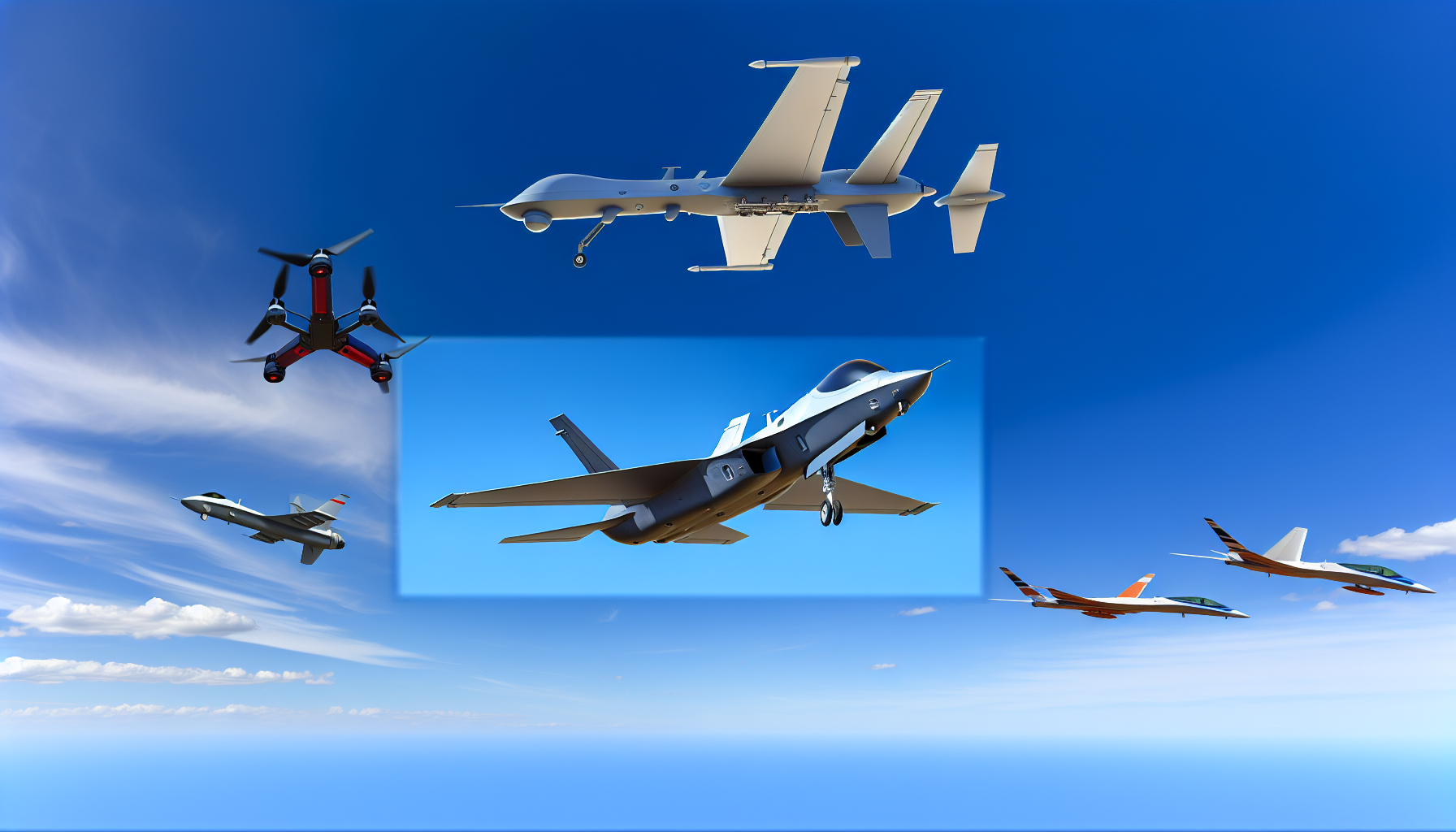
Recent photos revealed by Newsweek showcase a groundbreaking development in military technology: Northrop Grumman’s Project Talon drone. This advanced aerial drone is designed to fly alongside cutting-edge fighter jets, providing a glimpse into the future of warfare. Developed in just 15 months, these images mark the first time the public has seen this innovative technology.
Cost-Efficiency and the New Era of Collaborative Combat Aircraft
The U.S. Air Force (USAF) and U.S. Navy (USN) are on the lookout for unmanned Collaborative Combat Aircraft (CCAs) that can accompany piloted jets into combat scenarios while being significantly more cost-effective. Reports indicate that these unmanned systems could cost around one-third of the price of traditional fighter jets, making them a financially appealing option for military budgets. This shift towards cost efficiency comes at a time when defense spending requires rigorous scrutiny.
Competitive Landscape and Future Contracts
In 2024, the USAF awarded contracts to five major defense companies—including Northrop Grumman, Anduril, Boeing, and Lockheed Martin—to develop these CCAs. Despite facing stiff competition from Anduril and General Atomics Aeronautical Systems (GA-ASI), Northrop Grumman is still in the running for future contracts. The USAF recently confirmed that testing is currently underway for prototypes developed by its partners, with expectations to announce new contracts soon.
The Role of CCAs in Future Air Combat
As both the USAF and USN work on developing sixth-generation fighter jets, the integration of CCAs is vital. These unmanned aircraft are expected to work seamlessly with existing models, such as the F-35 stealth fighters. CCAs could serve various roles, from transporting munitions to taking over specific tasks that relieve pressure from pilots in high-stress environments. The promise of this technology is enhanced by emerging artificial intelligence capabilities, which could further revolutionize how air combat is conducted.
Innovative Engineering and Design
One of the most striking features of Project Talon is its engineering marvel. Tom Jones, Northrop Grumman’s president of aeronautic systems, emphasizes that this drone was designed for speed and agility. The recent design improvements have cut the drone’s weight by approximately half a ton and reduced its parts count significantly. This innovative approach aims to ensure that future military assets not only meet performance standards but do so at a manageable cost.
Domestic and International Interest
The design of the Talon drone has garnered attention from various international military forces as well, indicating its potential global impact. Northrop Grumman has articulated a vision where these CCAs can be customized for specific missions, adapting to the diverse needs of military operators worldwide.
Anticipating the First Flight
Northrop Grumman aims to conduct the first flight of the Project Talon drone by the end of 2026. Jones proudly notes the rapid development timeline from concept to airworthiness, claiming less than two years for this transformation from “paper to airborne.” This fast-paced engineering cycle represents a significant shift in how quickly defense projects can move from design to operational capability.
Global Trends in Military Technology
As militaries around the globe—including NATO allies—grapple with the integration of air, land, and sea drones into their systems, the emergence of technologies like Project Talon becomes increasingly relevant. The challenge lies in producing these advanced systems at scale without incurring prohibitive costs. Observers note that while the U.S. seems to be leading the charge in developing CCAs, many nations are investing heavily in similar technologies, indicating a new arms race in unmanned warfare.
Conclusion: A Transformative Military Landscape
With advancements like Northrop Grumman’s Project Talon, we’re witnessing the dawn of a new era in military aviation. These unmanned collaborative aircraft promise to change not only the economics of warfighting but also the very nature of air combat itself. As we approach the first flight, the world watches closely to see how these innovative drones will shape the battlefield of the future.