


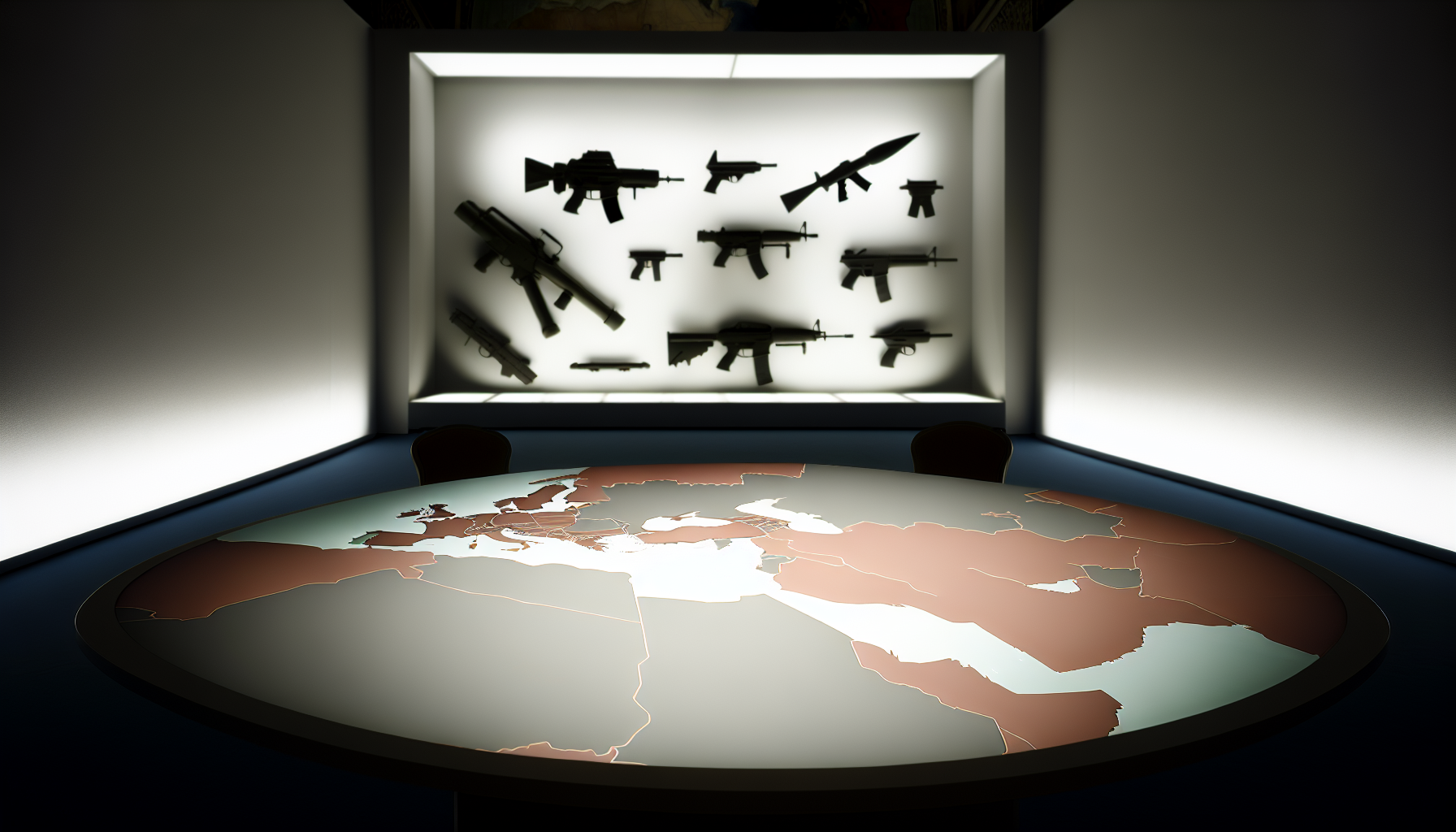
How ‘Iran Like Gaza’: A Look Inside Israel’s Defense Tech Expo
Introduction to a Controversial Forum
At a recent event dubbed Defense Tech Week 2025, the atmosphere was electric with ambitions of technological superiority. Held at Tel Aviv University, this conference showcased Israel’s military prowess, featuring executives, military leaders, and venture capitalists discussing “combat-proven” weapons systems and surveillance technologies. The backdrop was stark: less than 70 kilometers away, Gaza lay in ruins, grappling with the aftermath of destruction that has left significant portions of the Strip obliterated.
Gaza: The Testing Ground
The narrative emerging from the conference painted Gaza not merely as a region in conflict but as a proving ground for weaponry used by Israeli defense firms. The scope of devastation in Gaza has permitted Israeli companies to test their technologies in live combat, with deadly implications for the local population. Reports indicate that over 70,000 Palestinians have lost their lives during two years of relentless bombardment.
The Business of War
Within the walls of the exhibition, defense executives spoke candidly about the financial opportunities presented by ongoing conflict. The conference was presented as a space for startups and established companies to innovate within a burgeoning defense industry that thrives amidst instability. Participants were eager to highlight the “practical lessons” gleaned from Israeli military engagements, driving home the connection between war and technological advancement.
Key Figures in the Spotlight
Several prominent figures emphasized the need for growth in the defense sector. Amir Baram, the Director General of Israel’s Ministry of Defense, noted that more than 300 startups were collaborating with the military’s research directorate, MAFAT. He emphasized that defense technology would be the “next big economic engine” for Israel, so much so that 1.2 billion shekels were invested in defense startups in 2024 alone.
Data-Driven Warfare
Speakers showcased the cutting-edge tools developed to engage in real-time combat. Yehoshua (Shuki) Yehuda, CTO of Elbit Systems, demonstrated an AI-powered system that can track targets with extreme precision—an alarming prospect when considering the civilian toll of such technology. The emphasis on “combat-proven” systems displayed at the expo illustrated an unsettling comfort with the industry’s role in the ongoing violence.
Profiting from Destruction
The discussions shifted to the tangible profits generated from conflict. Companies like Israel Aerospace Industries and Elbit Systems have reported foreign sales accounting for the majority of their revenues. In fact, IAI has $27 billion worth of orders, illustrating that the current geopolitical landscape is not only an arena of conflict but also a thriving marketplace for arms.
The Future of Conflict
As conversations turned to the potential for future conflicts, Dr. Daniel Gold, head of Israel’s Directorate of Defense Research and Development, discussed applying warfare tactics used in Gaza to Iran. He framed the concept as a manner of achieving operational control that could extend to foreign territory, revealing a chilling vision of technological warfare designed for extended geopolitical dominion.
Ethical Dilemmas and International Response
While the speakers reveled in the success of Israeli defense technology, the global backlash against Israel has mounted. Executives at the expo lamented the boycott of Israeli products and companies faced due to the humanitarian crises resulting from military actions. Shlomo Toaff from RAFAEL Advanced Defense Systems voiced concerns about international isolation and how it could impact Israel’s weapon industry, highlighting the ongoing tensions between profit and ethical considerations.
The Role of Innovation in Warfare
The conversational currents running through Defense Tech Week raised critical questions about humanity’s relationship with technological innovation and military applications. The event underscored how readily companies can pivot to view life-and-death situations as a marketplace for growth, blurring the lines between technological advancement and humanitarian violations.
Conclusion: A World Divided
As Israel continues to advance its military technology through real-world applications, the implications extend beyond the battlefield to global security policies and international relations. Events like Defense Tech Week 2025 reflect broader trends in which the cycle of violence becomes intertwined with corporate profit motives, compelling us to consider what the future holds not only for regions like Gaza and Iran but for global peace and stability.