


Zelensky Open to Withdrawing Troops for a Demilitarized Zone
Ukrainian President Volodymyr Zelensky has recently expressed a willingness to withdraw military forces from eastern Ukraine’s Donbas region, contingent upon reciprocal actions from Russia. This proposition is part of a broader initiative aimed at establishing a demilitarized zone and fostering stability in a region that has been wracked by conflict.
A Conditional Proposal for Peace
Zelensky’s proposal includes the transformation of the Donbas into a free economic zone under international supervision. This move could potentially unlock one of the major hurdles obstructing diplomatic progress in the Russia-Ukraine conflict. The proposal emphasizes the importance of mutual disarmament, where both Ukrainian and Russian troops would vacate the area.
A Public Referendum on Peace
For Zelensky, the success of this plan hinges on gaining public support, as any significant military withdrawal would necessitate a referendum to legitimize the changes. The Ukrainian government recognizes that the trust of its citizenry is paramount in navigating this delicate situation.
Counter-Proposal on Nuclear Power Plant Management
In parallel to his military withdrawal proposal, Zelensky has also engaged in discussions about the management of the Zaporizhia nuclear power plant, a strategically critical asset currently under Russian control. Following negotiations with U.S. officials in Florida, a 20-point peace framework is reportedly under consideration, addressing various contentious issues.
Details of the Agreement
The U.S. had suggested the formation of a consortium involving Ukraine and Russia, giving each party equal shares in the plant’s management. Zelensky countered this idea with a proposal for a collaborative venture between the U.S. and Ukraine, allowing the U.S. not only to participate but also to make decisions on how to manage their stake, including potential concessions to Russia.
Progress Towards Consensus
Despite the differences, Zelensky remains optimistic, stating that significant strides have been made in aligning the views of the involved parties. “In principle, all other consensus in this agreement has been found between us and them,” he remarked, highlighting the gradual convergence of perspectives on various aspects of the negotiation.
The Significance of the Zaporizhzhia Nuclear Power Plant
The Zaporizhia nuclear power plant stands as a focal point in the conflict not just for its strategic importance but also for its implications for regional stability. It is located in southeastern Ukraine and, historically, has supplied a substantial portion of the country’s electricity, contributing significantly to its energy independence.
Historical Context
Construction of the plant began in 1979, and by 1995, all six of its reactors were operational. However, the facility remains a sensitive issue, especially with its current operational status under Russian military oversight, raising concerns about safety and potential nuclear risks.
Recent Military Developments
On another front, military activities continue to unfold in the region. Reports indicate that Russian forces have successfully captured the village of Zarichne in eastern Ukraine, reinforcing the ongoing conflict’s complexities and the shaky ground upon which peace efforts are built.
Perspectives from Ukraine’s Military Intelligence
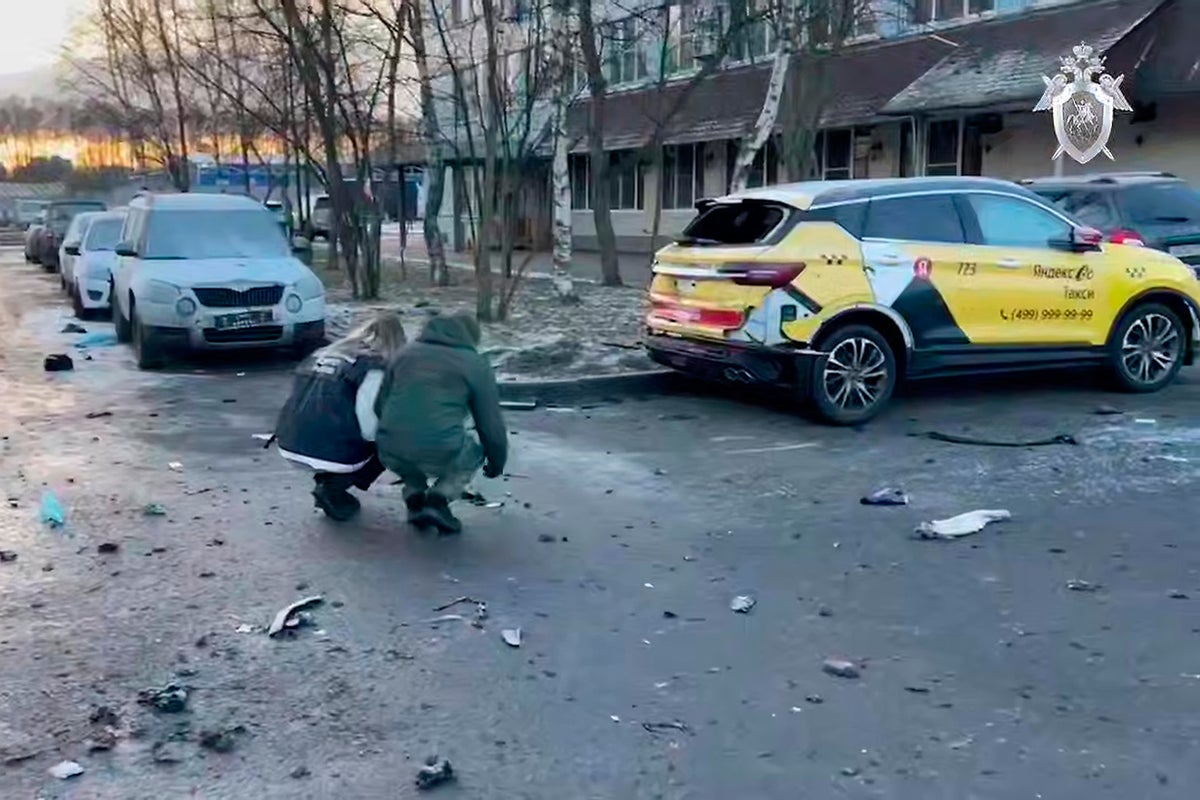
Amid the ongoing tensions, Ukrainian military officials have recently claimed responsibility for an operation that resulted in an attack in Moscow, killing two police officers. This acknowledgment underscores the undercurrents of conflict beyond the battlefield, reflecting a war that extends to intelligence operations and broader strategic maneuvers.
The Global Context and Future Prospects
As these developments unfold, the international community watches closely, recognizing the significant implications of any shifts in military posture and nuclear governance. The prospect of peace hinges on collaborative efforts among nations and the willingness to navigate sensitive issues with care and foresight.
In conclusion, the evolving landscape of negotiations and military actions highlights the intricate and delicate balance needed to forge a path toward resolution in Ukraine. The situation remains fluid, with each step taken in these discussions potentially shaping the future direction of the conflict and the stability of the region.