


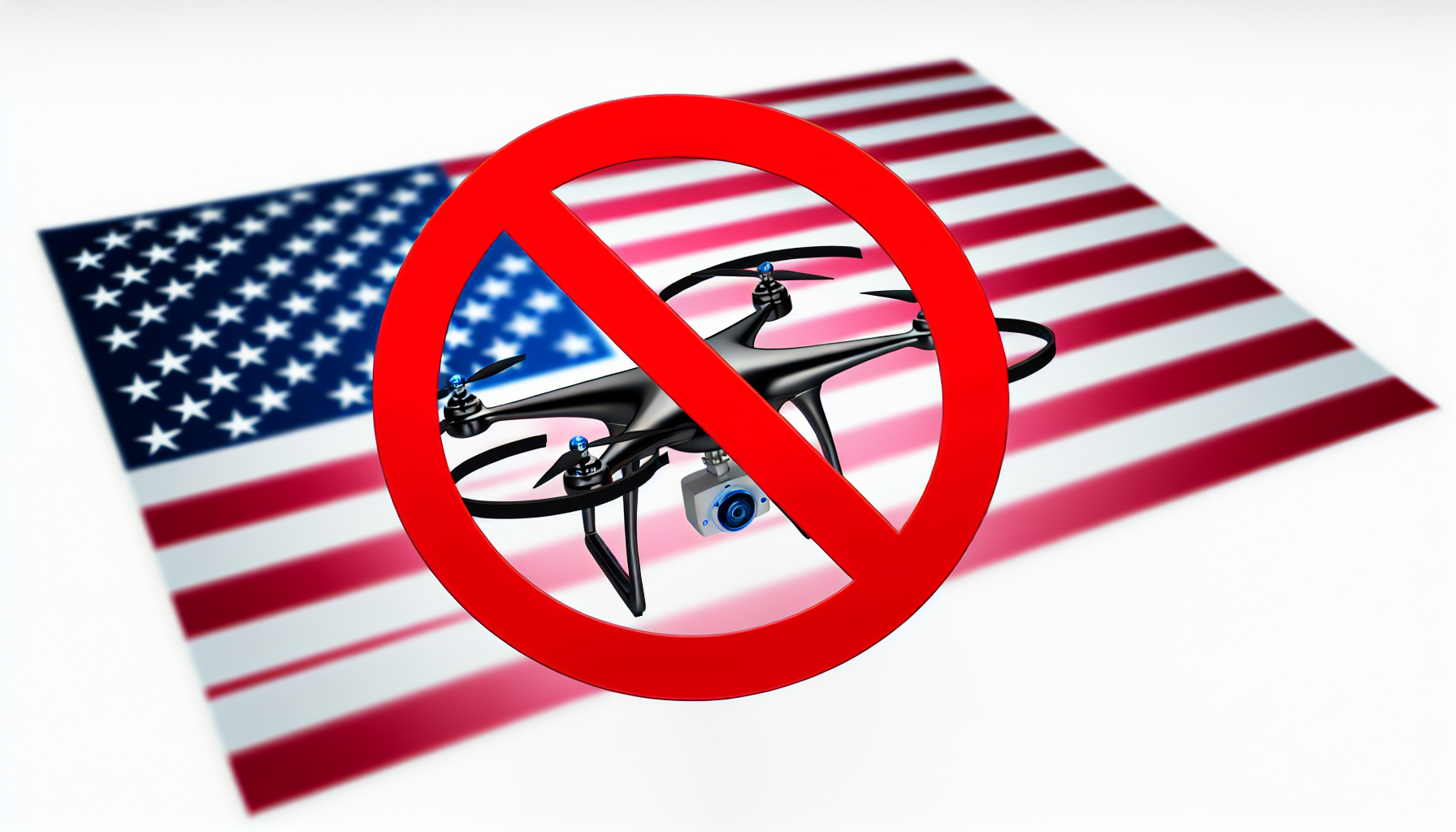
FCC’s Import Ban on Foreign-Made Drones: A Turning Point in U.S. National Security
On Monday, the U.S. Federal Communications Commission (FCC) made a pivotal announcement: it is instituting a ban on imports of all new models of foreign-made drones and their critical components. This move specifically targets companies from China, including industry giants like DJI and Autel, citing “unacceptable risks to U.S. national security.”
The Covered List and Its Implications
The addition of DJI, Autel, and other foreign drone manufacturers to the FCC’s “Covered List” means these companies will no longer be able to gain the necessary approvals to sell new drone models or pivotal parts in the United States. This change is part of a broader strategy to bolster national security as concerns grow regarding the potential for unauthorized surveillance and data security breaches linked to foreign technology.
Congressional Mandate and Timeline
In December 2024, Congress mandated that DJI and Autel be included on this list unless a thorough security review determined otherwise. This requirement underscores a bipartisan approach to addressing national security risks associated with foreign-made technology. The timeline complicates the situation further; companies must now navigate a regulatory environment that has turned increasingly hostile to foreign products.
Escalation of U.S.-China Tensions
This decision marks a significant escalation in Washington’s ongoing battles to regulate Chinese-made drones, which have come under fire in recent years. In September, the U.S. Commerce Department announced plans to introduce rules that could further restrict Chinese drone imports, potentially extending beyond the FCC’s recent actions. These measures reflect a growing concern over the implications of foreign technology in American skies.
Existing Devices: What Remains Unaffected?
Importantly, the FCC’s designation does not affect existing devices authorized for sale. Consumers can continue using any drones they have previously purchased without disruption. This stipulation provides some comfort to users who depend on these technologies for various applications, from recreational use to professional services.
Reactions from DJI and Industry Implications
DJI, the largest drone manufacturer globally, expressed disappointment over its inclusion on the Covered List. The company highlights that while they were not singled out, the lack of transparency regarding the security review process raises numerous questions. DJI controls a substantial portion of the commercial drone market in the U.S., making its exclusion from introducing new models a significant blow to both the company and its users.
China’s Response: Strong Opposition
China was quick to condemn the FCC’s decision. Lin Jian, a spokesperson for China’s foreign ministry, criticized the U.S. for what they perceive as an “overly broad interpretation of national security.” The Chinese government emphasized the need for equitable treatment of companies, urging the U.S. to rectify its “wrong practices.”
Additionally, the Chinese Commerce Ministry pledged to take necessary measures to protect the rights of its enterprises, indicating that this conflict could escalate further.
The Underlying Security Concerns
The FCC’s decision is backed by a recent interagency review called by the White House, which outlined the risks associated with imported drones. According to the review, these drones could potentially facilitate unauthorized surveillance, data leaks, and other national security threats. While the Pentagon retains the authority to evaluate specific types of drones, the overarching mandate indicates a significant reduction in foreign drone activity within American airspace.
Government Support for Domestic Manufacturing
Sebastian Gorka, a senior director at the National Security Council, emphasized the importance of domestic drone production for U.S. security, stating that “drones are a large part of America’s future security.” This sentiment has been echoed by various government officials as they push for reliance on domestically manufactured technology.
Impact on Local Law Enforcement
DJI previously noted that a significant majority—over 80%—of state and local law enforcement agencies utilizing drone technology rely on their products. This impending ban raises questions about the future capabilities of these agencies, particularly as they strive to implement efficient and cost-effective drone solutions.
Political Support for the Ban
The decision has garnered political backing, with figures like Republican Representative Rick Crawford lauding it as a necessary measure for safeguarding national security. Crawford underscored that compromising U.S. security for cheaper foreign goods is not an acceptable trade-off, aligning with a growing sentiment in Washington regarding foreign technology.
Legal Challenges on the Horizon
The legal landscape is heating up. Chinese manufacturer Hikvision has already filed a lawsuit challenging the FCC’s decision, seeking to overturn restrictions that could limit their competitive edge in the U.S. market. Similarly, DJI has faced legal hurdles domestically, including a recent court ruling that upheld its presence on the Defense Department’s controversial blacklist.
The Bigger Picture
In light of these developments, the U.S.-China relationship continues to deepen into a complex landscape of regulatory measures, national security concerns, and economic implications. The drone industry, at the nexus of technological advancement and geopolitical tensions, represents a significant front in this ongoing struggle. As both governments navigate these evolving dynamics, the future of drone technology—both foreign and domestic—will be a crucial factor in shaping national security policies.