


Recent U.S. Military Operations in Venezuela: A Closer Look at Covert Strikes and Exposed Evidence
Understanding the Context
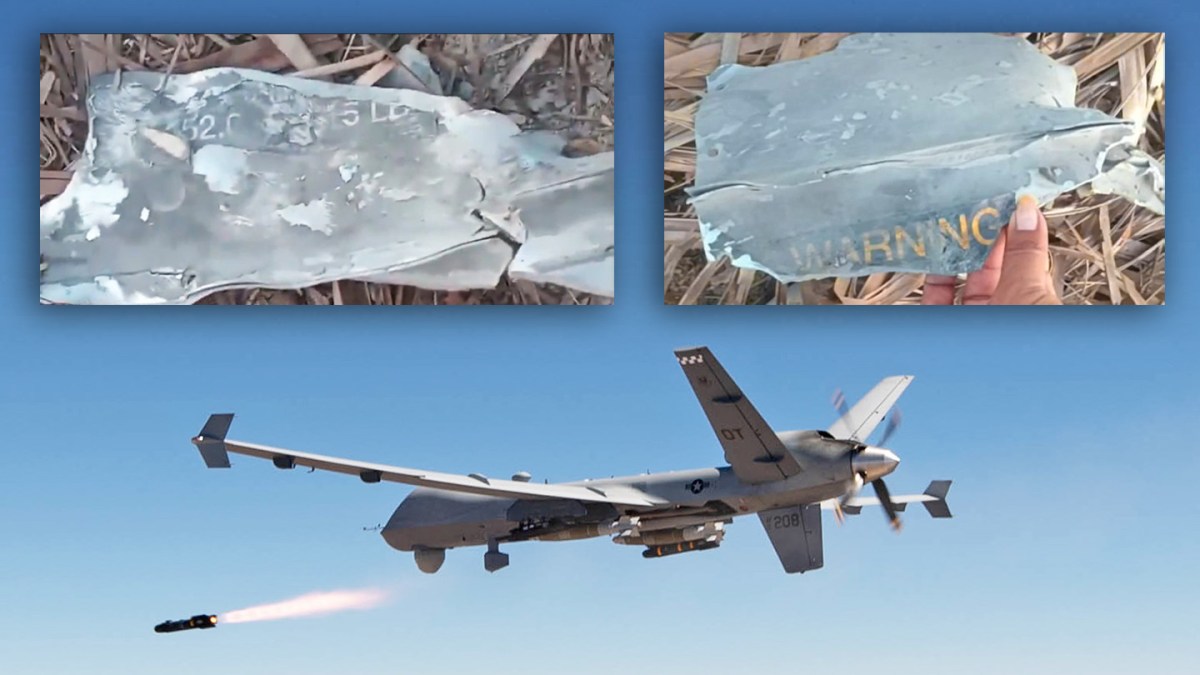
Evidence has recently emerged indicating that the United States may have conducted a covert military strike in Venezuela, employing advanced munitions such as the AGM-114 Hellfire and the AGM-179A Joint Air-to-Ground Missile (JAGM). This marks a significant development in U.S. foreign military engagement, raising questions about military strategy and international relations in the region.
The Covert Strike
Reports suggest that a U.S. military attack targeted a location in Venezuela’s far northwestern region, specifically Alta Guajira, where fragments of missiles have been recovered. While U.S. President Donald Trump initially acknowledged this covert action on December 26, 2025, the specifics regarding the timing and location of the attack remain unconfirmed. The objective of the operation is speculated to be a “port facility” or “dock,” pointing to significant military installations that necessitate high-impact ordnance, especially given the recent sightings of U.S. MQ-9 Reaper drones flying in the Caribbean with unusually heavy weapons loads.
Eye-Witness Accounts and Official Reporting
The Spanish-language television network Telemundo played a pivotal role in disseminating imagery of missile fragments retrieved from the region. Eyewitness accounts, particularly from members of the Wayuu indigenous community, described a mysterious explosion in Alta Guajira on December 18. Additionally, over the past few days, multiple sources have discussed this potential military action, linking it to broader strategies around counter-narcotic operations in the Caribbean.
The Acquired Missile Fragments
Analysis of the missile fragments indicates they possess distinctive markings such as “WARNING” and “52.0”, characteristics linked closely to the JAGM, which is derived from the AGM-114R variant. These fragments were not merely ordinary debris; they have been documented on multiple occasions following confirmed U.S. drone strikes in various conflict zones throughout the world. The recovery of such remnants in a region like Venezuela adds to the narrative of increasing military tension and covert operations in South America.
The Role of Drones in Modern Warfare
The U.S. military has notably utilized drones like the MQ-9 Reaper, known for their versatility in conducting operations over vast distances and executing precision strikes. Equipped with the AGM-114 Hellfire and plans to potentially integrate the JAGM, these drones enhance the capability for remote engagement in conflicts, offering tactical advantages while minimizing risk to personnel. Reports indicate that these drones have been based at Rafael Hernandez Airport in Puerto Rico since September 2025, aiming at bolstering counter-drug operations across the Caribbean.
Colombian Context and Regional Reactions
Adding another dimension to the situation, Colombian President Gustavo Petro has claimed that U.S. forces targeted a factory in the vicinity of Venezuela’s Maracaibo, purportedly linked to the leftist guerrilla group Ejército de Liberación Nacional (National Liberation Army, ELN). Petro’s statement emphasizes the regional dynamics of illicit drug trade and U.S. military involvement in the ongoing conflict. The relationship between Colombia and Venezuela, historically fraught with tension, is now further complicated by U.S. military actions.
Implications for Venezuela’s Air Defense
The lack of immediate response from Venezuelan authorities post-strike raises questions regarding the state of the country’s air defense capabilities. While the Venezuelan government remains on high alert, the apparent precision and effectiveness of the U.S. engagement suggest that their air defenses may have significant gaps. The use of advanced electronic warfare support systems, such as EA-18 Growler jets, could also have played a role in the operation’s success, but details about specific tactics employed remain speculative.
U.S. Counter-Narcotics Operations
Recent military operations in the Caribbean have highlighted an uptick in the U.S. focus on counter-narcotics missions. On New Year’s Eve, U.S. Southern Command (SOUTHCOM) reported kinetic strikes on narco-trafficking vessels, exemplifying a shift towards more pronounced military intervention in regional drug trafficking. The operation, which claimed to neutralize multiple threats, indicates a robust U.S. engagement strategy aimed at dismantling drug networks.
Conclusion: The Future of U.S. Military Engagement in Venezuela
As the situation evolves, the role of U.S. drones in the Caribbean, along with ongoing military operations, raises numerous questions about the future of U.S. foreign policy and military strategy in South America. With reports of sustained operations and heightened surveillance, it’s essential to consider the long-term implications of such military actions on the fragile geopolitical landscape of the region.
Author Bio
Joseph has been a member of The War Zone team since early 2017. His multifaceted experience includes previous roles as an Associate Editor at War Is Boring, and his work has appeared in various reputable publications, strengthening his established voice in military analysis and reporting.