


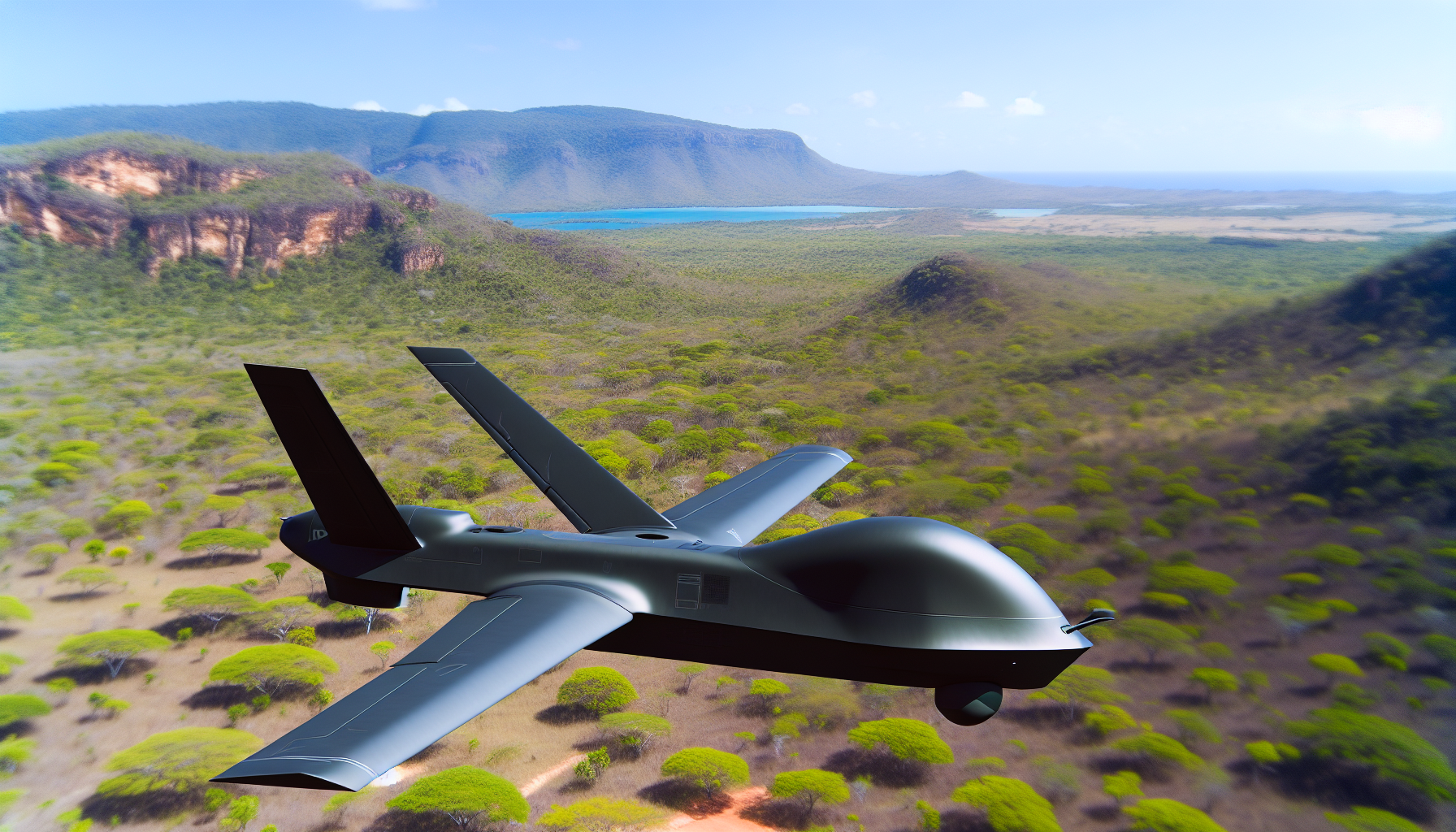
The Role of RQ-170 Sentinel Drones in the Operation Against Venezuela’s Leadership
In recent operations, the United States deployed the RQ-170 Sentinel, an advanced stealth drone, as part of the Resolute Determination Operation, which led to the captured Venezuelan President Nicolás Maduro along with his wife. This operation highlights the growing capabilities of unmanned aerial vehicles (UAVs) in modern military missions, particularly in high-stakes environments.
The RQ-170 Sentinel: A Brief Overview
The RQ-170 Sentinel is a product of Lockheed Martin’s Skunk Works division and has been in operational service for over 15 years, although its full capabilities remain classified. Designed primarily for reconnaissance and surveillance, the Sentinel is known for its ability to operate deep within enemy territory while remaining largely undetected. The drone features advanced technologies, including an active electronically scanned array radar, which enables it to monitor moving ground targets effectively. This sophisticated platform can carry out missions that require gathering intricate intelligence without risking human lives.
Deployment in Resolute Determination Operation
The recent mission involving the RQ-170 was a notable instance of its active combat application. While it’s common for stealth drones to operate covertly, their use in a more public-facing operation like this demonstrates a shift in strategy for the U.S. military. Reports indicate the deployment of multiple RQ-170s, underlining the need for extensive reconnaissance prior to significant operations.
During the Resolute Determination Operation, the drone likely provided real-time intelligence feeds that aided ground forces in executing the complex plan to extract Maduro and his wife. Engaging such high-profile targets necessitates precise information, and the capabilities of the RQ-170 make it an indispensable asset in such scenarios.
Historical Context and Previous Uses
The use of the RQ-170 in the current operation is not unprecedented. The U.S. military has a history of integrating these stealth drones with various fighter jets and bombers for exercises, enhancing their operational efficacy. For instance, in August 2020, a multi-domain exercise featured the RQ-170 alongside advanced aircraft like F-35A Joint Strike Fighters and B-2A Spirit bombers. These exercises aimed to refine tactics involving coordination among aerial platforms—a vital skill set in complex military engagements.
Implications of Drone Warfare
The involvement of the RQ-170 in operations against states like Venezuela raises significant questions about the future of warfare. Drones afford military forces the ability to strike with precision while minimizing risk to personnel. However, this advancement also comes with moral and ethical considerations regarding sovereignty and the implications of remote warfare on global politics.
As recent events illustrate, the versatility of UAVs like the RQ-170 is expanding beyond traditional surveillance roles into direct action scenarios. The scenarios established by these deployments compel us to reexamine the balance of power in Latin America and beyond.
Future Considerations for RQ-170 Operations
Looking forward, the capabilities and configurations of RQ-170s may evolve further. With ongoing geopolitical tensions, particularly regarding Russia and other global players, there’s a likelihood that these drones will continue to play pivotal roles in intelligence operations. Reports suggest that they may have been involved in intelligence-gathering missions over Crimea as recently as April 2023—indicating their enduring relevance in contemporary conflicts.
Conclusion
The RQ-170 Sentinel illustrates how modern warfare is increasingly reliant on cutting-edge technology to achieve military objectives. Its deployment in capturing Venezuelan leadership serves as a clear demonstration of the evolving landscape of military operations and reinforces the significance of unmanned systems in contemporary strategy. As nations adapt to these advancements, the implications for international relations and national security will undoubtedly continue to unfold.