


Editor’s Note: This is a Developing Story.
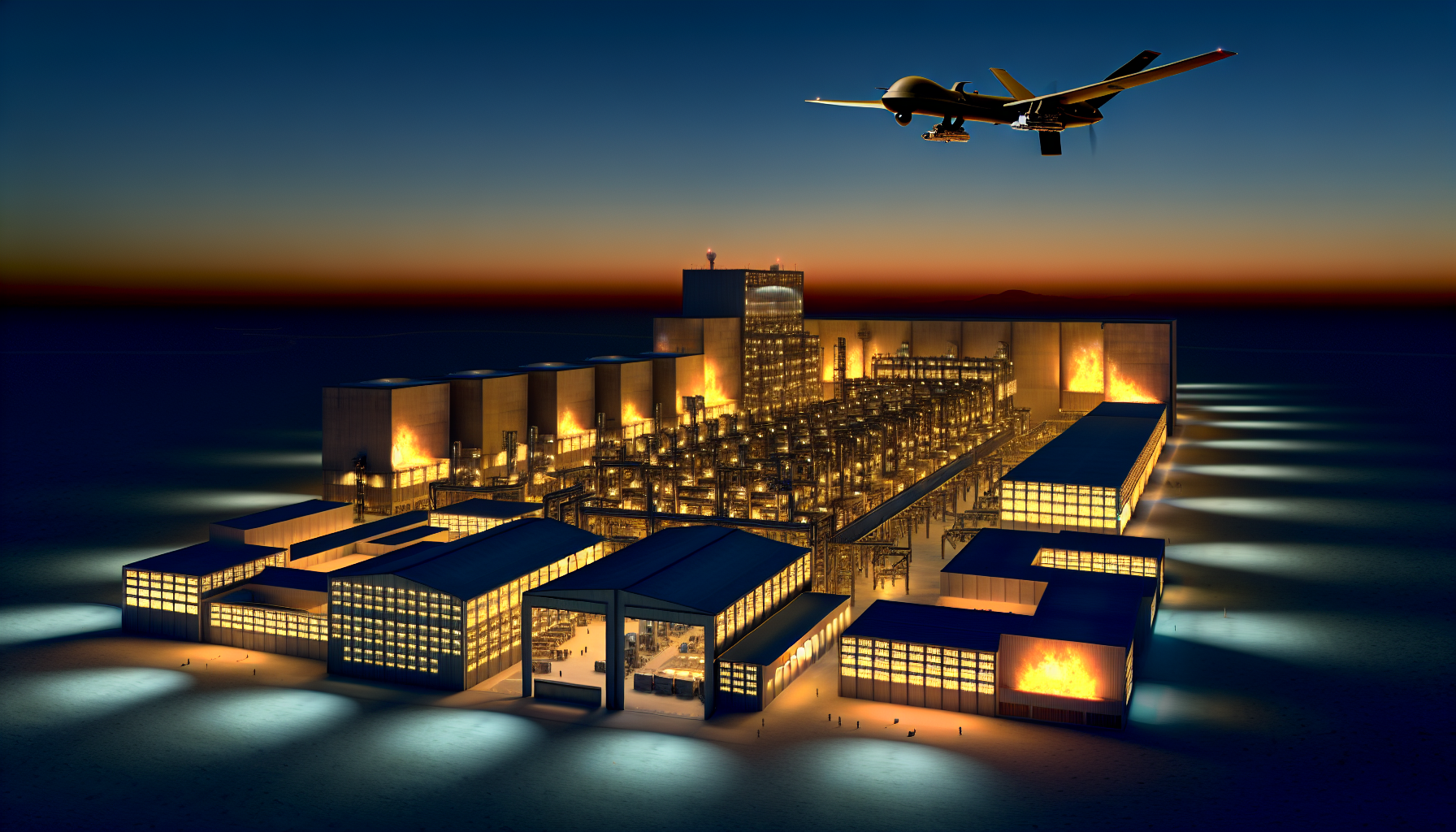
A fire erupted at Russia’s Energia defense plant in Yelets, Lipetsk Oblast, during a Ukrainian drone attack on the evening of January 4. Eyewitnesses reported seeing flames and smoke rising from the facility, a crucial site for the production of military hardware.
The Importance of the Energia Plant
The Energia factory is no ordinary manufacturing site. It plays a vital role in Russia’s defense industry, producing critical components for various missile systems, including batteries for the Iskander ballistic missile and various cruise missiles. As one of the central pillars of Russia’s military production, it has been marked as a top target by Ukrainian forces seeking to disrupt Moscow’s war capabilities.
Eyewitness Accounts and Footage
Residents near the plant swiftly shared videos and photographs that showed the aftermath of the drone strike. Reports from local sources and the Russian opposition news channel Astra confirmed the sighting of smoke and flames, suggesting significant damage to the plant. However, Russian authorities have remained silent concerning the incident, and verification efforts are ongoing.
Historical Context of Targeted Strikes
This latest drone attack is not isolated; it follows a pattern of previous assaults on the Energia facility. In July 2025, another Ukrainian strike reportedly caused a fire that led to a temporary halt in production. Additionally, in May of the same year, the plant faced similar aggression. These targeted operations underscore Ukraine’s strategy to weaken Russia’s military supply chain amid ongoing hostilities.
Geographical Significance
Yelets, located approximately 250 kilometers (150 miles) north of the Russia-Ukraine border, serves as an interesting backdrop to the conflict. This distance indicates how drone warfare has evolved, allowing Ukrainian forces to strike at targets deep within Russian territory. The proximity of critical military facilities like Energia to the border highlights the strategic importance of this region in the ongoing war.
Targeting Military Resources
Ukrainian forces’ choice to attack the Energia facility emphasizes a deliberate aim to dismantle the machinery of war that fuels Russia’s military operations. By focusing on sites that manufacture essential components like batteries for missiles and drones, Ukraine seeks to impair Russia’s operational capabilities and its ability to sustain military engagements.
The Role of Russian State Agencies
The Energia factory supplies gear not only to the Russian Defense Ministry but also to major state agencies such as the Interior Ministry, the Federal Security Service (FSB), Roscosmos, and Gazprom. This web of interconnections reveals the factory’s extensive involvement in supporting various arms of the Russian government, making it a linchpin in Russia’s broader military and industrial complex.
Broader Implications
The escalation of drone strikes against vital infrastructure allows Ukraine to engage in asymmetric warfare effectively. By targeting facilities that produce military components, Ukraine aims to level the playing field against a larger and seemingly more powerful adversary. As these attacks continue, they illuminate the changing battlefield dynamics, with technology playing an increasingly central role in modern warfare.
Continuing Developments
As this story evolves, the situation at the Energia plant remains fluid. While officials have not yet provided details about the extent of the damage or potential casualties, the implications of such strikes resonate far beyond the immediate fire and smoke. Stakeholders on all sides will be watching closely, knowing that each incident can shift the tides of this ongoing global conflict.
With drone warfare reshaping the landscape of military engagement, incidents like the one at the Energia plant may become increasingly common as both sides navigate this new reality. As updates emerge, understanding the intricacies and ramifications of these events will be crucial for comprehending the larger narrative of the Russia-Ukraine conflict.