


U.S. Military Operations Against ISIS in Syria
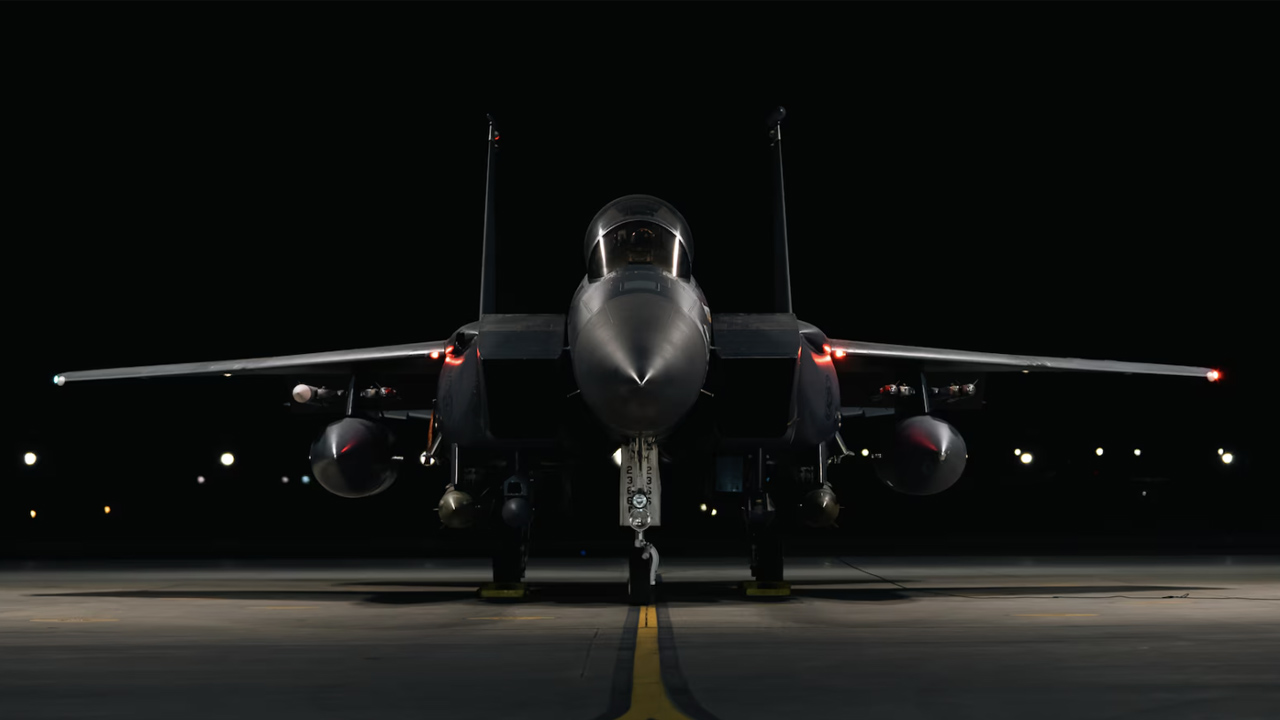
On January 10, 2026, a U.S. military aircraft was showcased in a still image released by U.S. Central Command (CENTCOM) during ongoing operations aimed at countering ISIS in Syria. This latest round of airstrikes marks a significant escalation in the U.S. response to recent attacks, underscoring the complex and evolving military landscape in the region.
Recent Cease of Hostilities: Background
The wave of airstrikes executed on a Saturday afternoon targeted multiple ISIS locations across Syria, aligning with a retaliatory campaign that was initiated in December 2025. This was provoked by an ambush perpetrated by Islamic State militants, which tragically resulted in the deaths of two Iowa National Guard soldiers and their American interpreter. The attack, described by U.S. officials as a direct ISIS-linked operation, epitomized the persistent threats posed by the extremist group in the region.
Operation Hawkeye Strike
The airstrikes form part of a broader mission known as Operation Hawkeye Strike, launched on December 19, 2025. Officials from CENTCOM confirmed that the operations aimed specifically at ISIS militants and their infrastructure, illustrating the commitment of U.S. forces to degrade the capabilities of this organization effectively. As of now, around 1,000 U.S. troops remain stationed in Syria, working alongside local partner forces to combat the threats posed by ISIS.
The Fallout of Attacks: Casualty Figures and Future Implications
While CENTCOM has yet to release specific casualty figures from the recent airstrikes, the Pentagon has indicated that these operations are part of a larger strategy to disrupt ISIS’s operational capabilities and prevent future attacks. The focus remains on ensuring that the brutal tactics used by the Islamic State are effectively countered, providing a safer environment for both local populations and U.S. military personnel on the ground.
The Broader Syrian Landscape: Aleppo Clashes
Simultaneously, the geopolitical landscape in Syria remains fraught with tension. Clashes in Aleppo have raged between Syrian government forces and Kurdish-led groups, creating further instability within the war-torn country. Reports indicate that government security forces initiated actions in Kurdish-majority neighborhoods following several days of intense fighting, resulting in numerous casualties and displacing over 140,000 people.
The unrest in Aleppo has been exacerbated by disputes arising from a significant agreement made in March 2025, which aimed to integrate Kurdish forces into Syria’s national army. The breakdown of this agreement has led to renewed hostilities, as both Kurdish and government forces exchange blame for the escalation of violence.
Ongoing Challenges: Civilian Disruptions and Strikes
The turbulence in Aleppo has also disrupted civilian life, with drone strikes affecting airport operations and local governance. Notably, a recent incident involved a drone strike targeting the Aleppo governorate building during a government press briefing. Such attacks not only create immediate danger for residents but also complicate the delicate military and political dynamics in the region.
U.S. Diplomacy: Calls for Restraint and Negotiation
In light of the ongoing conflict in Aleppo, the United States has maintained a diplomatic posture, calling for all parties to exercise restraint and return to negotiations. Tom Barrack, the U.S. Special Envoy for Syria, has engaged with Syrian leadership in good faith discussions aimed at de-escalating tensions. The U.S. treks a fine line between supporting its allies in the region while attempting to stabilize a volatile environment fraught with internal political disputes and ongoing threats from extremist organizations.
The complexities of Syria’s security landscape reveal the challenges ahead. As the U.S. military continues to focus on degrading ISIS, the ongoing clashes in Aleppo highlight the myriad competing forces at play, each vying for influence in a country already ravaged by years of conflict. The dynamic nature of these events illustrates that the road to stability in Syria remains fraught with obstacles, requiring a nuanced approach to both military action and diplomatic negotiations.
The Dallas Express will continue to monitor developments in Syria and U.S. military operations, keeping the conversation alive regarding the implications of these ongoing actions.