


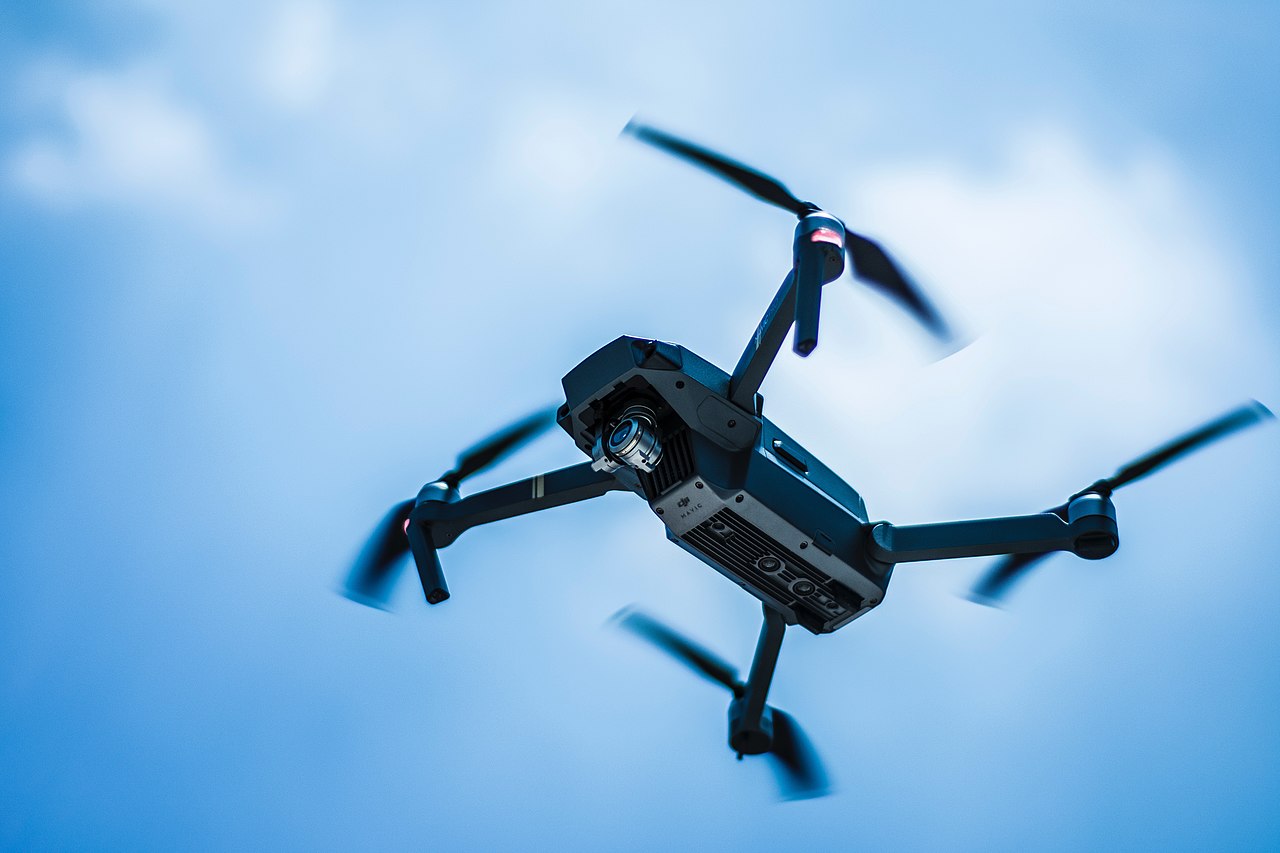
The recent decision by the US Department of Commerce to withdraw a proposed rule aimed at restricting Chinese-made drones marks a significant shift in the landscape for drone manufacturers and operators. This move has eased immediate fears of a sweeping import ban, yet the reality remains complex, particularly for major players such as DJI. Despite the Commerce Department’s retreat, existing restrictions imposed by the Federal Communications Commission (FCC) continue to stifle innovation and new product introductions in the US market.
In early January 2026, Commerce officials confirmed the scrapping of the proposal after months of internal discussions and consultations with the White House. Initially introduced in September 2025, the draft rule sought to leverage the department’s Information and Communications Technology and Services authority to impose restrictions on Chinese drones, citing national security concerns. The intention was to prevent adversaries from accessing sensitive data or manipulating communication systems through these devices.
If implemented, the Commerce Department’s rule could have had far-reaching implications, not only affecting future drone imports but also jeopardizing the operation of existing fleets currently in use across the United States. Luckily for drone operators, such drastic measures are no longer on the table, at least for now. What’s notable is that the proposal never even made it to the public comment stage, signaling that internal deliberation was key in shaping the outcome.
However, the FCC’s stringent actions from December 2025 continue to loom large. By adding foreign-manufactured drones and critical components to its “Covered List,” the FCC effectively prevents any new models from receiving the necessary equipment authorizations that permit legal sales in the US. This is crucial because, without FCC approval, manufacturers find themselves unable to introduce new products, thereby stalling technological advancements.
Interestingly, the FCC’s approach is more targeted than the broader measures proposed by the Commerce Department. While existing drones with prior authorization are still legal for operation and sale, manufacturers like DJI and Autel Robotics are unable to certify new models or components. This effectively freezes innovation in the US market, placing a significant limitation on manufacturers who must compete with the ever-evolving technology landscape.
The differences between these actions highlight important regulatory dynamics. The Commerce Department’s proposed rules were viewed as potential game-changers that could disrupt existing drone operations. In contrast, the FCC’s restrictions have a more immediate, albeit limited, focus on future approvals, enabling current operations to continue while subtly reshaping the competitive landscape over time.
The timing of the Commerce Department’s withdrawal appears to align with broader geopolitical strategies. Reports suggest that US officials aim to mitigate trade tensions ahead of a highly anticipated meeting between President Donald Trump and Chinese President Xi Jinping scheduled for April 2026. This reveals how drone policy is intricately linked to diplomatic efforts, rather than being solely driven by immediate national security concerns.
For US drone operators, the outcomes are decidedly mixed. The withdrawal of the proposed ban alleviates the immediate threat of retroactive regulations that could have rendered existing drones obsolete. However, the long-term uncertainty surrounding access to new hardware, replacement parts, and upgraded technology looms large. As current fleets age and technological demands shift, the implications of ongoing FCC restrictions could become increasingly pronounced, hindering operational capabilities in the future.