


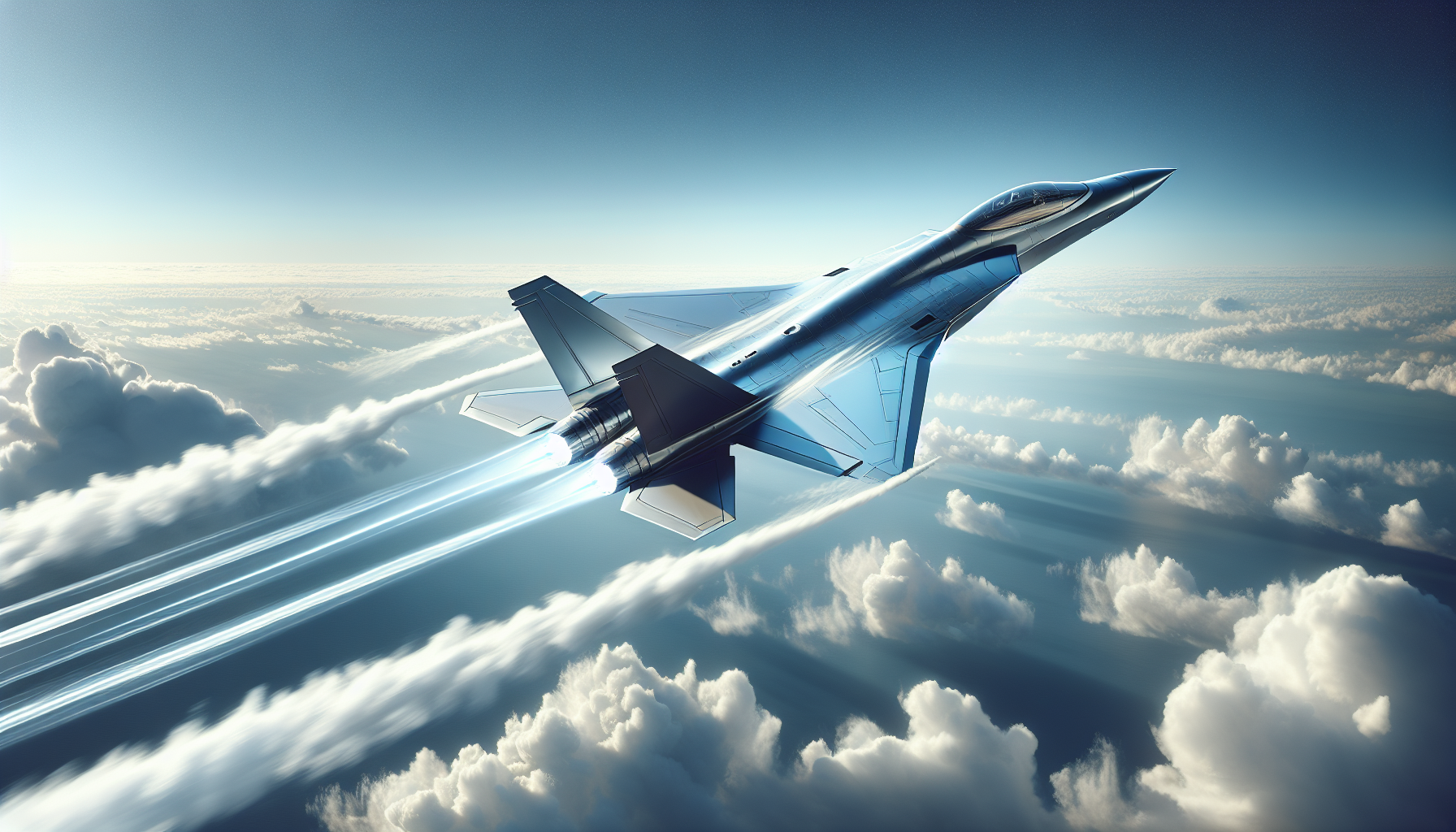
### Overview of the KF-21 Boramae Project
On January 13, 2026, the Defense Acquisition Program Administration (DAPA) of South Korea announced a significant milestone in the development of the KF-21 Boramae multirole aircraft. The project, conducted in collaboration with Korea Aerospace Industries (KAI) and the Agency for Defense Development (ADD), has achieved its developmental testing program’s completion, setting the stage for the aircraft to enter full production.
### Successful Flight Testing
Lee Yong-cheol, the director of DAPA, shared that the final test flight occurred just the day before the announcement, marking the 1,600th flight over a testing period of 42 months that began in July 2022. Remarkably, the entire testing program concluded two months ahead of schedule. Six prototypes—comprising four single-seat and two twin-seat variants—successfully validated over 13,000 operational requirements, confirming the aircraft’s readiness for the Republic of Korea Air Force (ROKAF).
### Cooperations and Safety Measures
The successful testing phase involved collaborations with various governmental bodies, including the Ministry of Oceans and Fisheries, the Republic of Korea Navy (ROKN), and the Korea Coast Guard (KCG). These partnerships were essential for conducting operations in civilian airspace and executing critical emergency procedures. Notably, tests were performed to restore flight control under extreme conditions, ensuring the aircraft’s reliability and safety.
### Continued Developments
While developmental testing has concluded, DAPA has signed a contract in December 2025 to continue integration testing for new weapons systems. Further test flights will be conducted from multiple air bases, including those in Sacheon and Seosan, allowing for comprehensive evaluations under varying operational circumstances.
### Government Oversight and Support
On January 7, Prime Minister Kim Min-seok visited the KAI facilities in Sacheon, emphasizing the government’s commitment to overseeing the KF-21’s production line. His inspection included reviews of onboard systems and briefings on the aircraft’s tactical capabilities and operational requirements, reaffirming that the KF-21 meets the strategic goals set forth by the ROKAF.
### Expert Insights and Future Aspirations
Noh Ji-man, who heads the Korean Fighter Program at DAPA, expressed an optimistic outlook for the KF-21, asserting that it embodies the pinnacle of South Korea’s aviation technology. He noted the aircraft’s competitive potential on the global stage, indicating that the KF-21 aims to become a significant player in the international defense industry. DAPA is dedicated to ensuring the successful execution of additional testing, mass production, and operational integration.
### Procurement and Orders
In a strategic move, DAPA has already ordered 40 KF-21 Block I aircraft in two batches, with contracts valued at approximately 1.96 trillion KRW in June 2024 and 2.39 trillion KRW in June 2025. Deliveries of the final Block I air-superiority variant are projected to start in 2028, showcasing a forward-thinking approach to enhancing South Korea’s aerial capabilities.
### Historical Context
The KF-X/IF-X program, initiated in 2016, has encountered various challenges, including technical and political issues with partner nation Indonesia, which remains engaged despite delays. Interestingly, the program has garnered attention beyond South Korea, with the United Arab Emirates expressing interest in acquiring the KF-21.
### International Interest and Collaborations
The global market’s outlook for the KF-21 is promising, with reports indicating interest from nations such as the Philippines. Additionally, discussions surfaced regarding collaboration with the United Kingdom and Rolls-Royce for co-production efforts concerning a next-generation turbofan engine for the KF-21EX (Block III), further solidifying its international appeal.