


The U.S. Navy’s Robo-Revolution: Embracing Unmanned Systems
Sailors are currently making significant strides towards the U.S. Navy’s ambitious long-term goals for integrating robotic platforms, as highlighted by senior officials leading essential drone initiatives. This evolving landscape reflects a commitment to modernize naval operations through advanced technology, paving the way for a more hybrid warfare force.
Vision for the Future: Surface Force Vision 2045
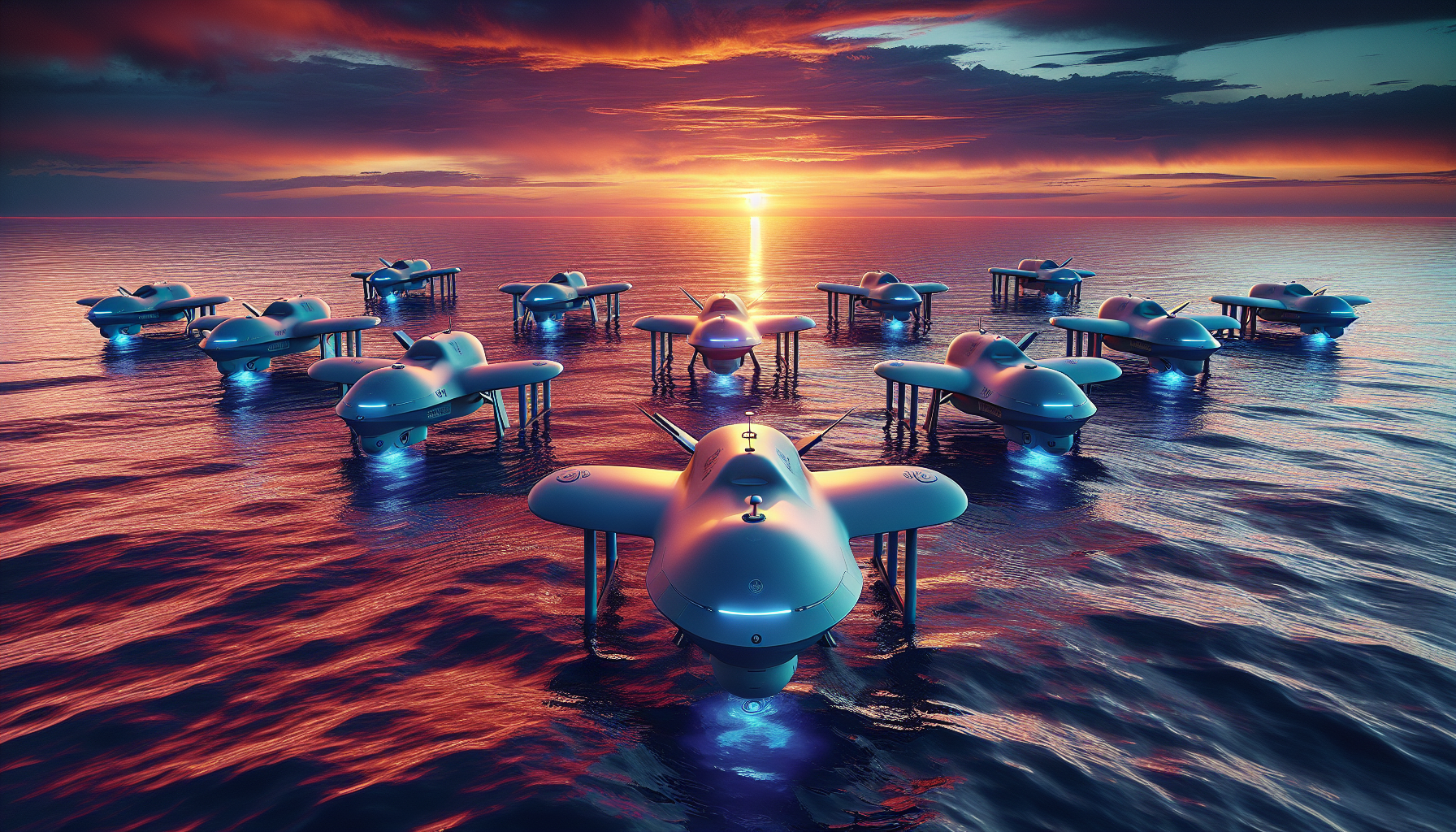
Central to this transformation is the Surface Force Vision 2045, which explicitly directs the Navy to operationalize unmanned surface vessel (USV) squadrons in each fleet. This initiative is a crucial part of a broader strategy aimed at rapidly developing a hybrid force capable of leveraging emerging maritime drone technologies. The overarching goal is to enhance the U.S. military’s capacity, flexibility, and reach on the high seas.
A Change in Pace
“There’s an incredible pace of change happening right now,” stated Rear Adm. Christopher Alexander, currently serving as a special assistant to the commander of Naval Surface Forces. The urgency and dynamism of these developments are apparent in various panels and discussions, including those at the recent SNA Symposium. Officials shed light on the Navy’s ongoing efforts to normalize operations that integrate robotic platforms and autonomous capabilities across the surface force.
Advantages of Unmanned Systems
The advantages of adopting uncrewed systems in modern naval operations are becoming increasingly clear. These advantages include extended range, endurance, and cost-effectiveness. As drone technologies continue to mature, the Navy is leveraging them to support manned ships and aircraft in critical areas such as intelligence, surveillance, reconnaissance, and logistics. Furthermore, USVs and other maritime drones, such as unmanned underwater vehicles (UUVs), can be equipped with a variety of sensors, weapons, and other payloads, making them versatile assets in the Navy’s arsenal.
Evolving Strategies and Workforce Development
The Navy’s strategies for drone deployment, experimentation, and broad adoption have evolved significantly over the past decade. However, the focus now is on rapidly enhancing the expertise of its workforce and expanding its drone inventory. As Rear Adm. Alexander noted, the U.S. Navy’s commitment to unmanned systems is evident in its financial investments; for fiscal year 2026, nearly $7 billion is allocated for these systems, with $3.7 billion aimed at supporting the surface forces in 2027.
Dramatic Growth in USV Inventory
The growth in the inventory of small USVs has been nothing short of astounding. From a mere four units in 2025 to nearly 400 by the end of 2026, this rapid expansion underscores the Navy’s commitment to integrating robotics into its operations. By 2045, projections suggest that approximately 45% of the surface force could consist of unmanned systems, showcasing a transformational shift in naval operations.
Real-World Deployments
Capt. Garrett Miller, who commands Surface Development Group One (USVRON 1), recently announced the imminent delivery of the Navy’s two upgraded prototype medium USVs, Sea Hawk and Sea Hunter. These vessels will transition from being experimental to operational assets fully integrated into the fleet. “We will integrate and deploy one of those MUSVs with a carrier strike group in 2026,” Miller shared, highlighting the Navy’s forward-thinking approach to operationalizing these advanced systems.
Finalizing Concepts of Operations
As the Navy moves forward, officials are diligently working to finalize concepts of operations for both small and medium USVs. These operational frameworks will be crucial for effectively deploying unmanned systems in various mission profiles, ensuring that the Navy can fully exploit the capabilities offered by these cutting-edge technologies.
This exploration of the U.S. Navy’s integration of unmanned systems reflects a transformative period in naval operations, characterized by significant investments in technology that promise to redefine maritime warfare. Sailors are not just adapting; they are forging a new path that holds the potential to reshape the very nature of naval engagements in the years to come.