

Assessing the Implications of U.S. Military Actions in Venezuela
As the world observes the recent military endeavors of the United States in South America, particularly regarding the situation in Venezuela, a pivotal question emerges: What are the long-term implications of President Trump’s declaration that “we’re going to run the country”? This moment is a reflection on how American foreign policy may evolve, shaped by the balance—or lack thereof—between power dynamics and ethical considerations.
Historically, the United States has grappled with the intricacies of balancing its power politics with moral imperatives in foreign policy. However, a review of the early actions and statements from the second Trump administration indicates a troubling shift. Rather than navigating the complex terrain of international relations with an eye toward ethical considerations, the administration appears increasingly aligned with a militarized approach. This should raise concerns, particularly in light of the recent military strike on Venezuela.
Secretary of State Marco Rubio has articulated a new framework for U.S. foreign policy priorities, emphasizing three key questions: Does it make America safer? Does it make America stronger? Does it make America more prosperous? Notably absent from this framework is any mention of moral imperatives or values that encourage diplomacy over aggression. This lack of focus on ethical standards highlights a concerning pivot in U.S. international strategy.
The November 2025 National Security Strategy echoes this sentiment, emphasizing a reassertion of the Monroe Doctrine and reinforcing U.S. dominance in the Western Hemisphere without any acknowledgment of moral considerations. Instead of promoting values-based diplomacy, the administration’s rhetoric is increasingly characterized by aggressive militarism, which relies heavily on threats of military action and economic sanctions.
The administration’s embrace of a militaristic stance began early, exemplified by actions such as deploying active-duty troops for border patrols and politicizing military involvement domestically. Furthermore, Trump’s confrontational discourse—targeting countries like Denmark over Greenland—exemplifies a willingness to threaten military action for geopolitical aims. This pattern extends to the administration’s posture towards Latin America, claiming authority over the Panama Canal and escalating military activities near Venezuelan waters.
More alarmingly, the Department of Defense’s engagement in aggressive military actions, such as a blockade of Venezuela and drone strikes targeting its coastal facilities, raises questions about legality and ethics in international law. These actions reflect a broader trend towards unilateral military force, seemingly disregarding the principles of diplomacy and negotiation.
Simultaneously, the domestic implications of this militarization are worrisome. The administration’s controversial decisions, such as pardoning individuals associated with the January 6th insurrection, signal a willingness to abandon ethical standards. This lack of ethical restraint in both foreign and domestic policy suggests a troubling trend that threatens to erode trust, both nationally and internationally.
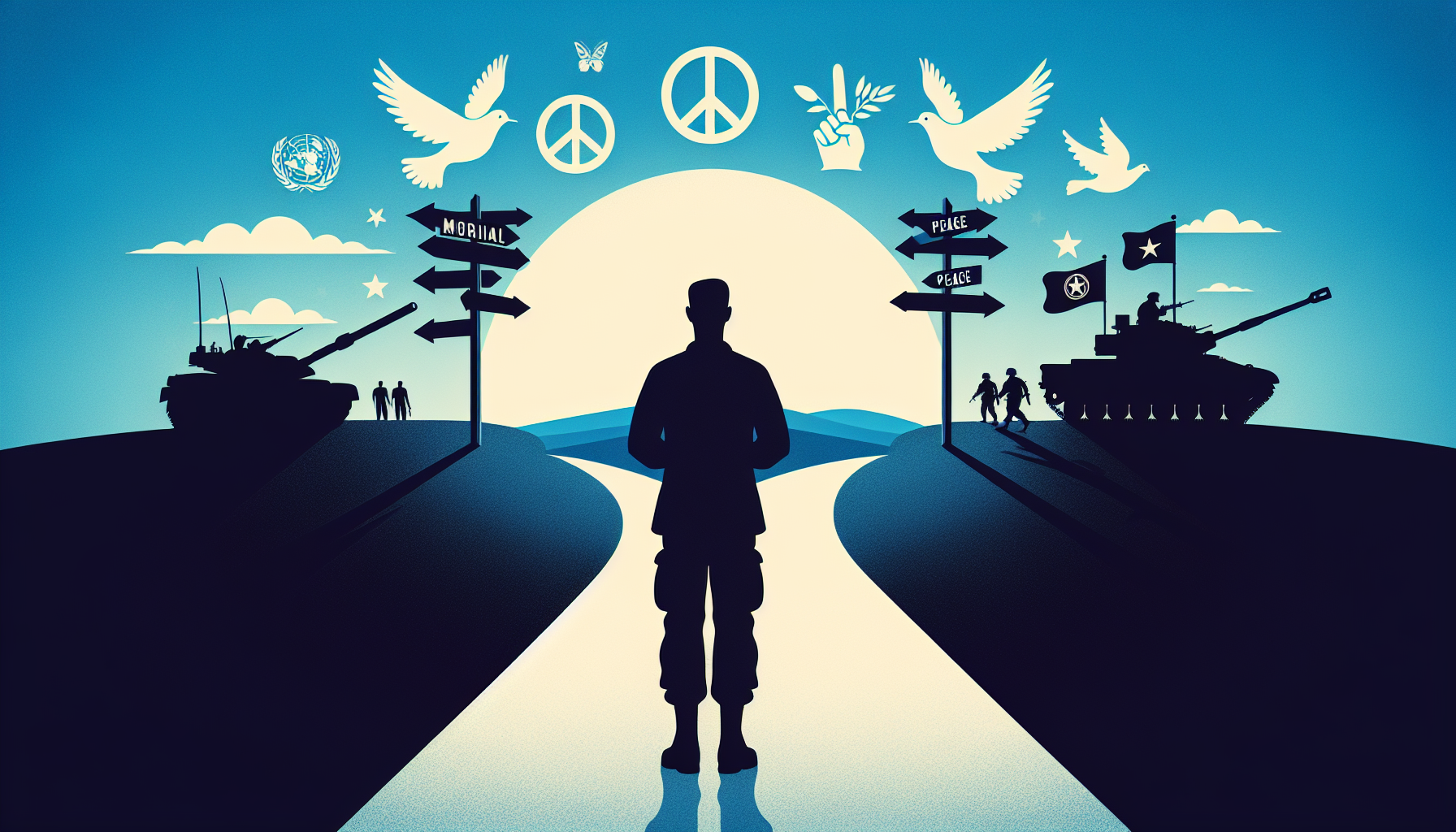
Morality, contrary to the administration’s apparent belief, is not an extraneous consideration in foreign policy. It shapes a nation’s reputation and effectiveness on the global stage. Historically, moral leadership has helped the U.S. navigate complex international issues and build alliances. Without it, an aggressive and militarized posture may lead to increased resentment and a cycle of retaliation from other nations.
In a climate where military might is the primary tool employed by the administration, one must consider the implications of neglecting ethical standards. This approach could create a self-perpetuating cycle of conflict, wherein the absence of moral constraints leads to further deterioration of international relations. The narrative that strength equates solely to military power risks alienating allies and fostering hostility among adversaries.
As the U.S. continues to shape its foreign policy, the interplay between power and morality becomes critical. The failures and consequences of a militarized agenda devoid of ethical considerations could have lasting effects not just on the countries directly involved, but on the global order as a whole.
The implications of such a transformation in America’s approach could challenge the very ideals upon which it was founded, raising vital questions about what kind of leadership the nation seeks to exercise on the world stage. Instead of fostering stability and cooperation, a reliance on military power without moral accountability could spark further conflicts, endangering both national and global security.