


The Military’s Big Bet on Artificial Intelligence
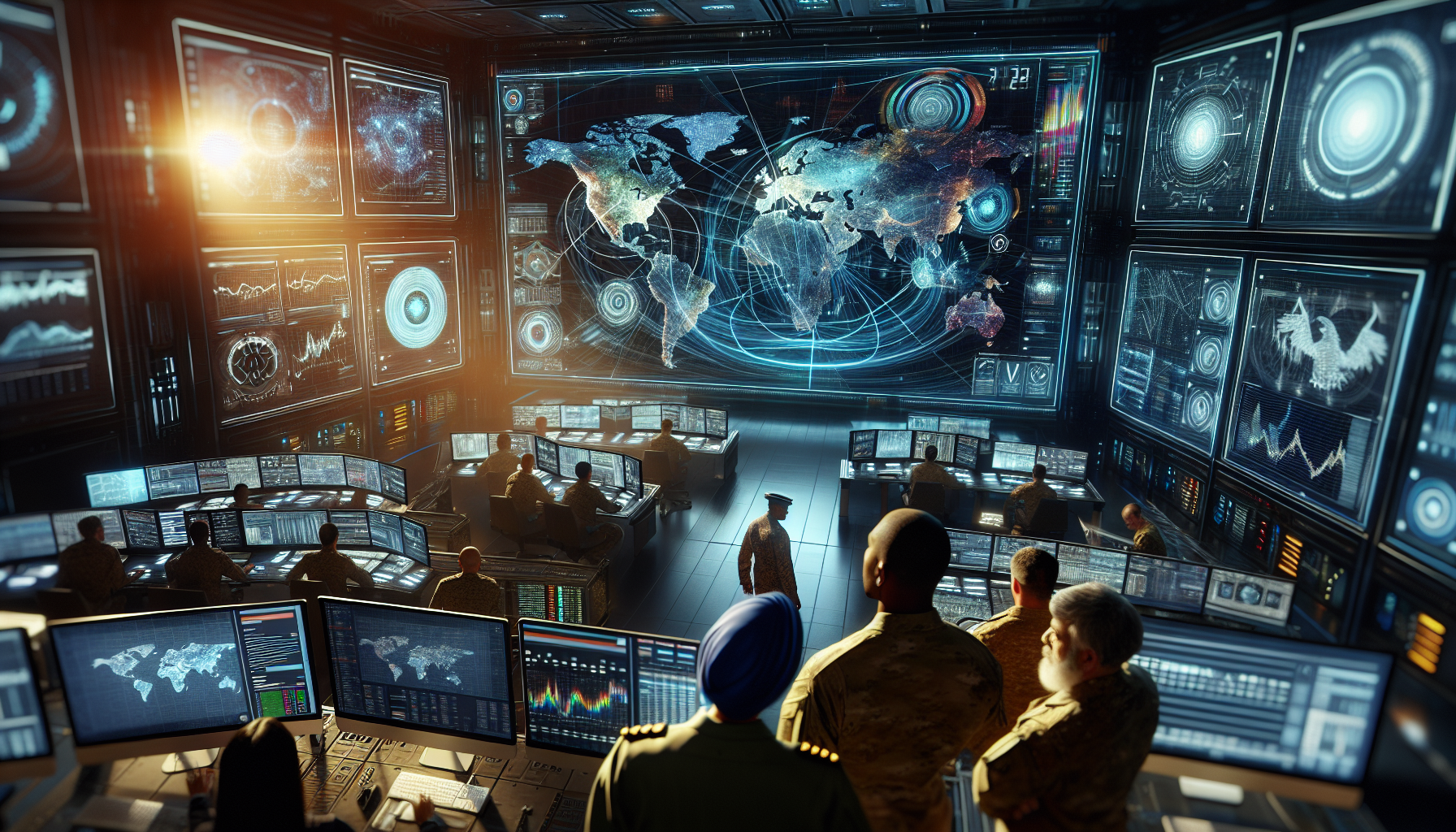
In recent years, the military’s investment in artificial intelligence (AI) has surged, paving the way for profound changes in defense strategies and national security. The promise of AI is not just enhancing operational efficiency but also reshaping how militaries around the world perceive and engage with warfare.
The Rise of AI in Defense
The integration of AI into military operations is not merely a future prospect; it is already happening. Nations are pouring billions into research and development, sponsored projects, and collaborations with tech companies to harness AI’s capabilities. The goal is clear: to gain a strategic edge over potential adversaries. AI technologies, including machine learning and data analytics, facilitate faster decision-making and automate various functions that were traditionally human-driven.
Autonomous Vehicles and Drones
One of the most visible manifestations of AI in military applications is the development of autonomous vehicles and drones. Militaries across the globe are deploying unmanned aerial vehicles (UAVs) for reconnaissance, surveillance, and combat missions. These drones can gather vast amounts of intelligence with unprecedented precision. There are ongoing experiments to develop fully autonomous drones capable of making battlefield decisions without human intervention.
The implications are enormous, potentially transforming how conflicts are fought. However, the ethical questions surrounding autonomy in warfare remain a matter of intense debate.
Cyber Warfare and AI
The rise of cyber warfare has elevated the importance of AI in defending national interests. Cyber threats are ubiquitous, from state-sponsored hacking to ransomware attacks, making the need for AI solutions critical. AI can help identify and neutralize cyber threats in real-time, enabling quicker responses that can prevent severe damage.
Moreover, through predictive analytics, AI can forecast potential vulnerabilities in a nation’s cybersecurity framework, allowing for preemptive measures to strengthen defenses.
Ethics and Accountability
As military organizations adopt AI technologies, they are also faced with significant ethical challenges. The controversial use of AI in warfare brings forth questions about accountability and moral implications. Who is responsible when an autonomous system makes a flawed decision resulting in collateral damage? As nations develop policies governing the use of AI in combat, they must grapple with these pressing concerns.
Regulatory frameworks and ethical guidelines are essential to ensure the responsible use of AI. Ongoing discussions shape international treaties and agreements that aim to curb the potential misuse of these technologies.
International Competition
The race to develop advanced AI capabilities has sparked a new arms race, with countries vying for superiority in this digital domain. The United States, China, and Russia are among the frontrunners, each aiming to outpace the others in AI military applications. The competition extends beyond traditional military might, incorporating economic power and technological advancement into national security strategy.
Countries are not only investing in AI capabilities but also in fostering a domestic talent pool of AI experts. Collaborations between military organizations and civilian tech industries are thriving, leading to innovative solutions that blur the lines between civilian and military applications.
Strategic Partnerships
Nations are increasingly recognizing the potential of forming strategic partnerships to leverage AI capabilities. Collaborations between military entities and technology companies foster innovation and efficiency in developing defense systems. Such partnerships can lead to accelerated research, development, and deployment of AI tools.
Many countries are also sharing insights and data to build a comprehensive understanding of AI capabilities, sparking international endeavors to align on strategic defense initiatives.
Adapting Military Training
The introduction of AI technologies necessitates a transformation in military training programs. Armed forces around the world are evolving to integrate AI literacy into their curriculums, preparing personnel to work alongside advanced systems. This training not only focuses on technical skills but also on developing critical thinking and ethical reasoning abilities.
As AI becomes more prevalent in military operations, the emphasis on adaptability and continuous learning will be paramount for soldiers, ensuring they remain effective in an evolving battlefield landscape.
Future Innovations
Looking ahead, the potential applications of AI in military contexts are staggering. Researchers are investigating ways to leverage AI for logistics, supply chain management, and predictive maintenance of equipment, revolutionizing military operations behind the scenes. AI-driven simulations for training exercises could create realistic scenarios, enhancing preparedness for any eventuality.
As innovation in AI continues to accelerate, the military landscape will inevitably shift. New technologies will emerge that redefine the principles of warfare, surveillance, and defense strategy. While the goals of national security remain intact, the methods to achieve them will be fundamentally altered.
Conclusion
The military’s embrace of artificial intelligence symbolizes a significant shift in how nations approach defense. As AI technologies proliferate, they offer unparalleled advantages in strategy, coordination, and operational effectiveness. However, with these advancements come profound ethical questions and challenges that societies must confront. The future of military engagement, heavily intertwined with AI, remains a dynamic and intricate landscape, underscoring the need for continuous dialogue and responsible innovation.