


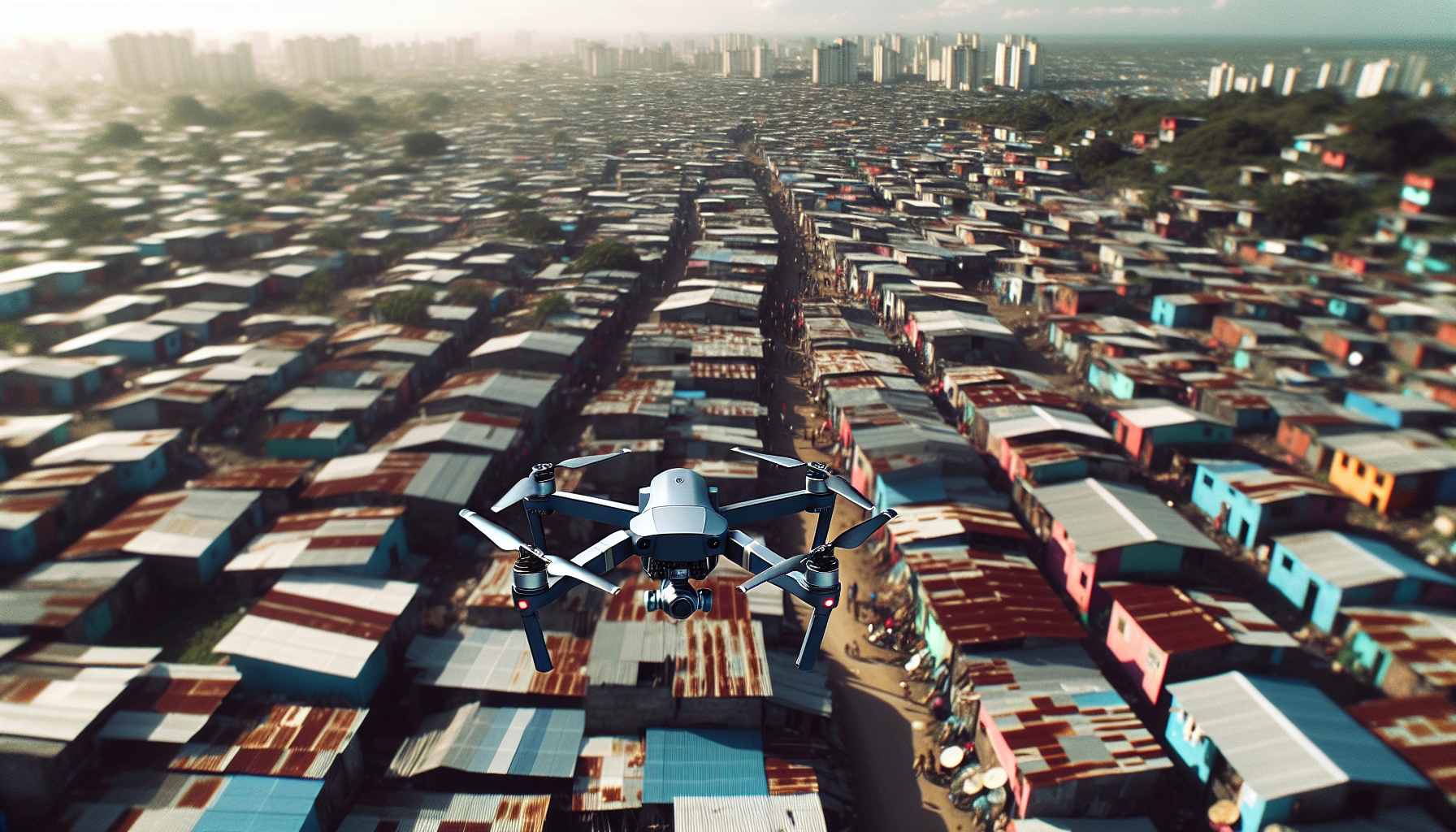
The Shift in Tactics: Drones and Gang Violence in Haiti
Haitian armed forces are evolving their strategies in the fight against persistent gang violence, marking a significant shift in how security is managed in this Caribbean nation. Recent operations have showcased an innovative use of technology that aims to change the longstanding dynamics of crime and insecurity.
The Drone Initiative
According to reports, specialized Haitian police units, backed by a drone task force, have been active in gang-infested areas, particularly in Port-au-Prince. This new approach involves using drones not just for surveillance but as tactical tools in combat against violent gangs. The implementation of this strategy has been aided by Vectus Global, a U.S.-based private security firm known for its association with Erik Prince, the notorious founder of Blackwater.
Recent Operations
One notable operation took place on January 14, when Haitian forces targeted the Delmas 6 neighborhood, a stronghold for the Viv Ansanm gang coalition led by Jimmy “Barbecue” Chérizier. Reports indicate that the operation lasted nearly two hours and concluded with the destruction of a safehouse, sending a strong message to other gangs that state forces could breach previously deemed safe zones.
A source familiar with the mission highlighted its significance, stating, “It was definitely done as a sign to the rest of the gangs that the task force can go where it wants, when it wants.” This display of power aims to destabilize the confidence of gang leaders who long believed their grip on power was unassailable.
Shifting the Balance of Power
The introduction of drones has reportedly been a game-changer, with claims that nearly half of the gangs in the Delmas area are abandoning their positions. The visible threat of aerial surveillance and strikes has prompted a reconsideration of tactics among these organized groups. An operative involved in the drone task force claimed, “Gangs really don’t like to fight against drones,” showcasing the psychological edge these technologies can provide.
This task force comprises 129 personnel, working hand-in-hand with the Haitian National Police and the Armed Forces of Haiti. They employ both armed and surveillance drones, which help monitor activities and actively engage threats.
Consequences of Drone Warfare
While the strategic use of drones has led to some limited successes, it has not come without its own set of consequences. A recent U.N. report highlighted a troubling statistic: drone strikes resulted in 973 deaths from March to December, with a substantial number being alleged gang members but also including 39 civilians, 16 of whom were children. These figures raise pressing ethical questions regarding the methods employed in countering gang violence.
Human rights organizations have been particularly vocal in their criticism, arguing that such operations often proceed with inadequate measures to ensure civilian safety. The U.N. Secretary-General António Guterres has remarked on the broader implications of this violence, indicating that gangs have merely expanded their territories beyond Port-au-Prince, significantly undermining governmental authority.
The Narrative of Collateral Damage
In the face of such criticism, those involved with the drone operations assert that civilian casualties are being minimized. “They are extremely judicious,” stated one source. However, the reality on the ground suggests a more complex situation where innocent lives are sometimes caught in the crossfire. An admonition was issued: “I would encourage civilians not to remain in prepared gang defensive positions if they don’t want to get killed.”
As the drone task force continues its operations, it remains a focal point for both support and scrutiny, with the people of Haiti navigating an increasingly precarious landscape of violence and response. The situation continues to evolve, reflecting the intricacies and challenges of modern warfare in urban environments.