


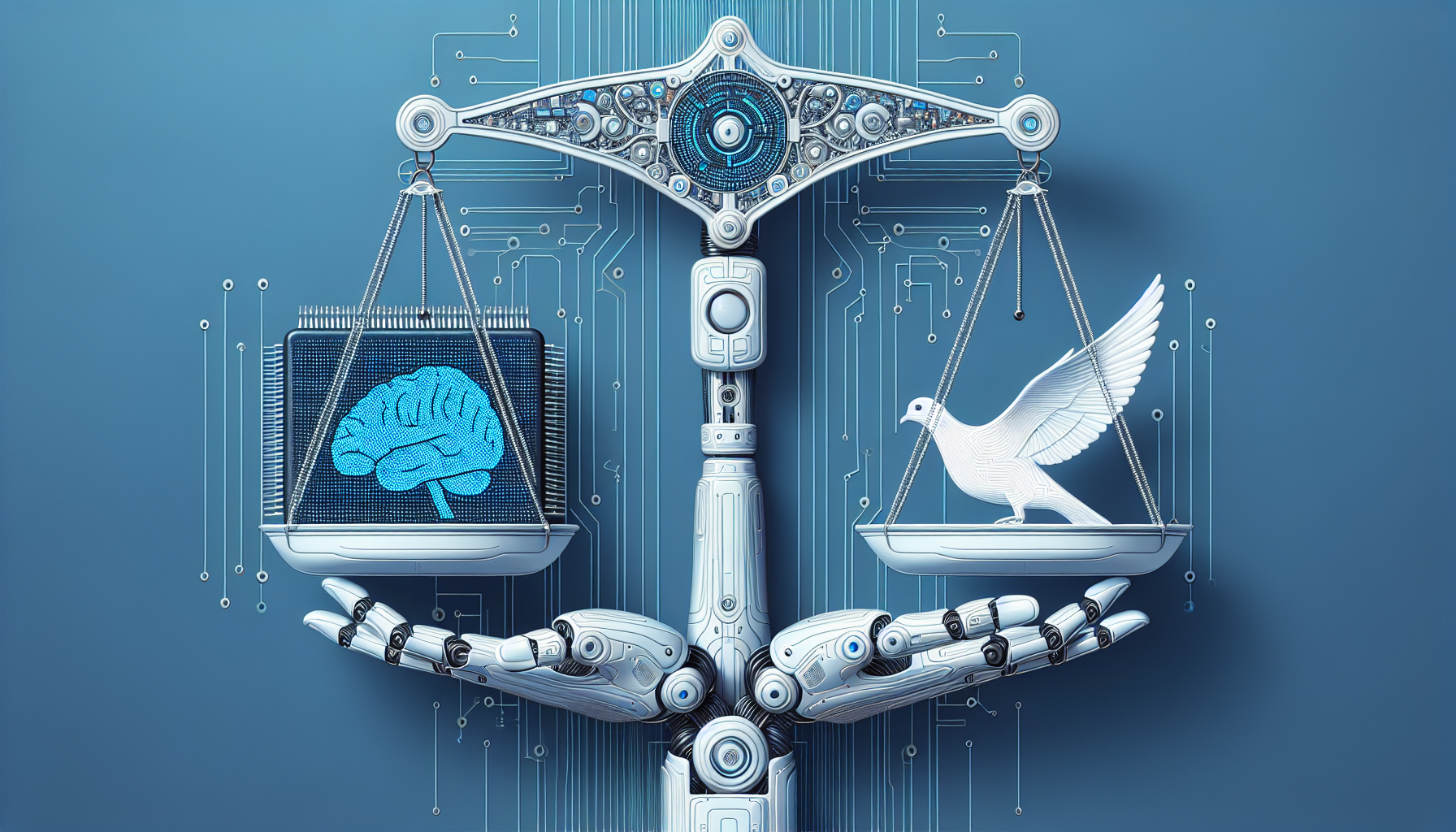
The Intersection of Artificial Intelligence and Military Ethics
The rapid advancement of artificial intelligence (AI) has created a significant paradigm shift in various sectors, notably in defense and military operations. The implications of this technology extend beyond efficiency and operational effectiveness; they pose profound ethical dilemmas and necessitate a robust dialogue about the future of warfare and human oversight.
The Rise of Autonomous Systems
Recent developments in AI have led to the creation of autonomous systems capable of making decisions with minimal human intervention. Paul Scharre, in his article “A Million Mistakes a Second” published in Foreign Policy, highlights the potential for AI to operate at speeds and complexities that far exceed human capabilities. However, this speed also raises critical concerns about accountability and control in military engagements, especially in unpredictable battlefield scenarios. The integration of autonomous systems must be approached with caution, ensuring that human judgment remains at the forefront of military ethics.
Department of Defense Strategies
The Department of Defense (DoD) is proactively harnessing AI to enhance security and operational success. Their 2018 AI strategy indicates a focused effort to ensure that technology serves strategic goals while adhering to ethical standards. The report emphasizes a framework where AI complements human decision-making rather than replaces it. This human-centric approach indicates an understanding of the potential hazards associated with fully autonomous systems, aligning technology deployment with ethical military conduct.
Global AI Competition: The Case of China
China’s ambitious initiative “Made in China 2025” seeks to establish the nation as a dominant player in AI. A report by Ian Burrows in ABC News documents the aspiration to outpace other global powers, particularly the United States, in AI development. The competition for leadership in this technology raises critical ethical questions about the uses of AI in military applications. With countries racing to develop cutting-edge military technology, ethical considerations must guide the development process to prevent detrimental outcomes in global peace and stability.
The Perils of Data Mismanagement
At the core of AI efficacy lies clean, structured data. Effective military applications of AI depend heavily on accurate data, which underscores a fundamental challenge for the DoD. Data mismanagement can lead to catastrophic failures; the 2010 “flash crash” exemplifies this, where errors in automated trading systems led to significant market turmoil. As our military becomes increasingly reliant on AI, ensuring the integrity of data will be paramount to operational success and ethical responsibility.
Case Studies in Ethical Decision-Making
To explore the ethical implications of AI, historical case studies provide valuable insights. Andrew Ilachinski’s report on autonomous systems and their ethical ramifications references the tragic incident involving the USS Vincennes, where misidentification led to the downing of an Iranian airliner. The lessons learned highlight the critical importance of human decision-making in high-stakes environments, emphasizing the need for robust ethical frameworks that govern the application of AI in military contexts.
The Philosophical Foundations of Ethical AI
Philosophers like Aristotle have long deliberated on the nature of ethics, particularly in contexts where decision-making is nuanced and laden with consequences. By revisiting Aristotle’s Nicomachean Ethics, we can draw parallels between classical ethical frameworks and contemporary military dilemmas posed by AI. The concept of prudence—making the right choice in complex situations—serves as a vital consideration for military leaders engaging with AI technologies.
Collaboration Between Military and Tech Sectors
The relationship between technology industries and military organizations is crucial for the ethical development of AI. As Scott Bolick suggests, increased collaboration could lead to a more profound understanding of ethical implications while fostering innovations that enhance military capabilities. Such partnerships should focus on integrating ethical considerations into the development of AI systems, ensuring that they align with both military objectives and ethical standards.
The Future of AI in Military Ethics
As military applications of AI continue to evolve, the debate surrounding the morality of autonomous weapons will intensify. Academic discourse, such as that presented by Aaron M. Johnson and Sidney Axinn in the Journal of Military Ethics, highlights the need to navigate moral dilemmas associated with machines capable of lethal actions. This discourse must inform policy-making and military doctrine to ensure that AI implementations reflect the best ethical practices in warfare.
In summary, the intersection of AI and military ethics presents intricate challenges and opportunities. A collaborative approach aimed at understanding and integrating ethical principles will be essential as we navigate the complexities of this rapidly evolving landscape. The stakes are high, and as nations continue to explore AI’s potential, a commitment to ethical practices remains crucial.