


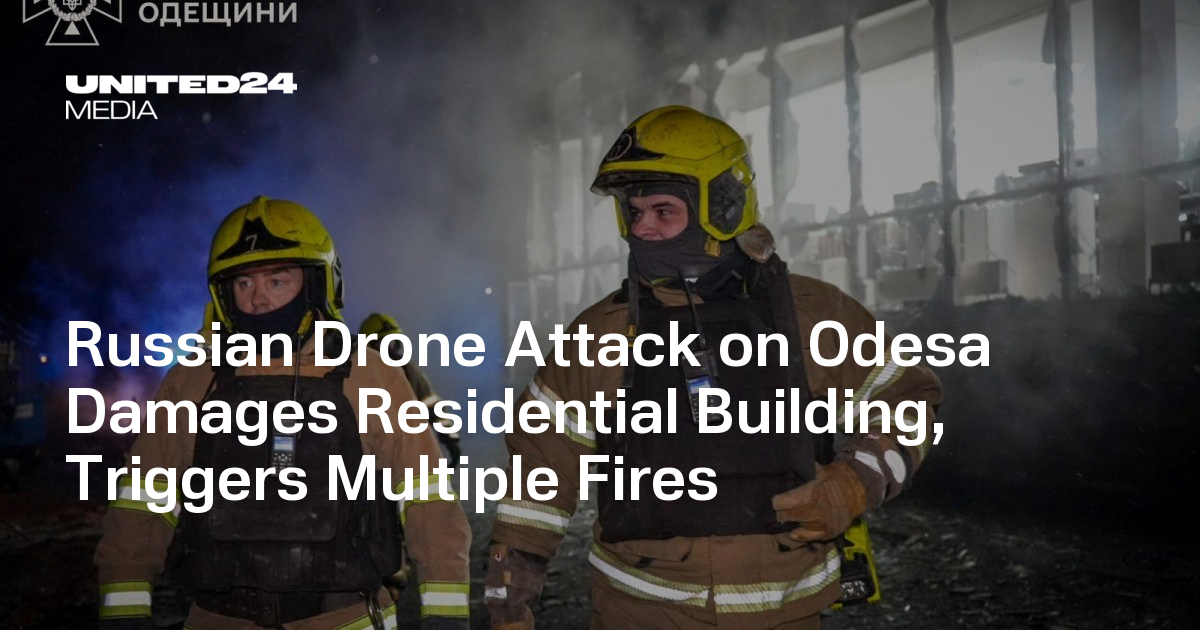
Odesa Under Attack: The Recent Drone Strikes
On February 12, Odesa, a vital port city in Ukraine, became the target of yet another assault by Russian forces. Utilizing strike drones, the attacks caused significant damage to civilian infrastructure and nearby housing. Serhii Lysak, the head of Odesa’s city military administration, provided updates via Telegram, highlighting the extent of the damage and the ongoing threat to residents.
Damage to Civilian Areas
Among the most alarming details revealed by Lysak was the impact on a multi-story apartment building. A drone strike damaged an upper-floor apartment, although it fortunately did not result in a fire. However, the attack sparked a blaze at a recreational facility and ignited a fire at a commercial site in another area of the city.
The danger of these strikes extends beyond physical damage; they evoke a pervasive sense of fear among residents, who are constantly reminded of the war’s proximity.
Casualty Reports and Air Raid Alerts
As the situation unfolded, Lysak mentioned that officials were working to gather information on possible casualties. At the time of the updates, an air raid alert was still in effect, underscoring the ongoing risks faced by residents. The heightened state of alert reflects the unpredictable nature of drone warfare, which has become a regular occurrence in Odesa since the conflict escalated.
A Pattern of Attacks
Odesa has been subjected to frequent drone and missile attacks throughout the war. On February 9, reports indicated a “massive” drone strike resulted in one civilian fatality and left various residential infrastructures damaged. Additionally, another wave of strikes on January 28 caused significant damage to port facilities and led to two fatalities in the wider region. Such incidents illustrate how Odesa remains a focal point of Russian military strategies aimed at destabilizing Ukrainian ports and infrastructure.
Impact on Diplomatic Relations
In the midst of these military escalations, diplomatic geopolitical implications have also surfaced. Reports indicate that Russian forces struck the Polish consulate in Odesa during a prior bombardment, damaging the building. Fortunately, no injuries were reported among diplomatic staff, but the incident raises eyebrows regarding the safety of foreign nationals in the ongoing conflict zone.
A Community Resilient Amidst Chaos
Despite the persistent threat of drone warfare and the devastation that follows, the resilience of the Odesa community remains evident. Reporting from the region illustrates how local residents are not only enduring the physical challenges but are also standing together in solidarity. Comprehensive coverage from media outlets serves as a crucial mechanism for maintaining international awareness while highlighting the need for ongoing support and assistance for those affected.
As military strategies continue to evolve, the international community remains watchful. The situation in Odesa is a poignant reminder of the human impacts of warfare, where civilian lives are caught in the crossfire of broader geopolitical conflicts.
By maintaining a focus on accuracy and empathy in reporting, it’s imperative to amplify the voices of those directly affected by these unsettling developments. The narrative of Odesa, woven with stories of resilience, reinforces the urgent necessity for global attention and action amidst an ongoing humanitarian crisis.