



The Future of Aerial Combat: Bumblebee V2’s Revolutionary Role
Amid escalating threats from rogue drones worldwide, the Pentagon has formally initiated a bold deployment of the Bumblebee V2 drone intercept system. This cutting-edge technology aims to transform how military forces manage aerial threats by blending automation, precision, and cost-effectiveness. As drone technology evolves rapidly, traditional countermeasures often fall short, making innovations like Bumblebee V2 not only advantageous but essential for modern warfare.
What sets Bumblebee V2 apart is its capability to detect, classify, and neutralize hostile UAVs using advanced artificial intelligence algorithms. This system goes beyond mere upgrades; it represents a paradigm shift that enables immediate defensive actions without risking human soldiers or relying on costly munitions. In the high-stakes environment of contemporary military operations, such automation ensures faster reaction times, lower operational costs, and increased safety for personnel.
Technical Breakdown of Bumblebee V2
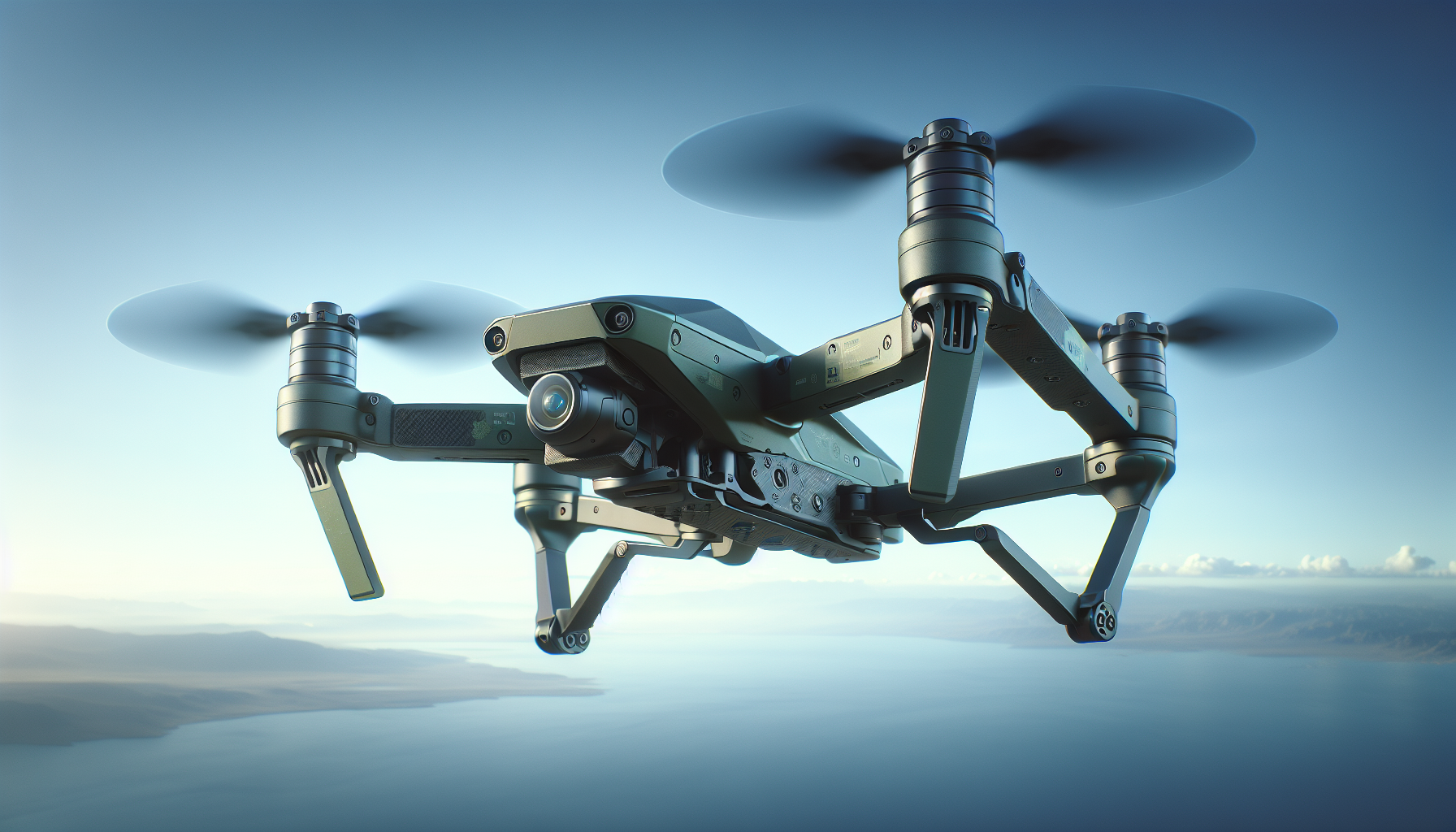
The core of Bumblebee V2 is a multi-rotor drone equipped with state-of-the-art sensors and AI-powered targeting systems. Its design emphasizes high-speed detection and interception, allowing it to engage multiple targets simultaneously. The drone’s AI engine continuously analyzes signals, visual data, and flight patterns to identify potential threats instantly. When a hostile UAV is detected, Bumblebee V2 executes a kinetic interception to neutralize the threat before it can impact critical assets.
One standout feature is its self-learning capability, enabling the system to enhance detection accuracy and improve response strategies through machine learning. This adaptability is vital in combatting sophisticated drones that utilize evasive maneuvers or frequency-hopping communication to evade detection.
Operational Benefits and Tactical Advantages
The deployment of Bumblebee V2 brings numerous tactical advantages. First, it significantly reduces the risk associated with low-cost, commercially available drones equipped with surveillance or offensive capabilities. Traditional methods like electronic jamming or manual interception often fall short against advanced UAVs that can operate stealthily.
Second, the cost efficiency of Bumblebee V2 becomes apparent when compared to large squadrons of expensive fighter jets or missile systems for drone suppression. Its low operational costs and reliability in various contexts—from battlefield terrains to critical infrastructure protection—make it suitable for a wide range of mission profiles.
Third, the speed of response is critical in drone interdiction. Bumblebee V2’s autonomous capabilities enable it to react in milliseconds, allowing for swift threat neutralization without waiting for human command. This real-time engagement drastically reduces the window for hostile UAVs to execute reconnaissance or attack missions.
Legal and Ethical Considerations in Drone Defense
As the military increasingly integrates systems like Bumblebee V2 into its strategies, ethical and legal questions arise. The Pentagon has stressed that the system complies with US law and internal regulations, emphasizing defensive, non-lethal engagements. Kinetic interceptions are monitored to prevent collateral damage, particularly in urban or civilian environments.
Moreover, the system upholds strict control protocols, ensuring human oversight remains a priority. Military commanders retain authority over deployment parameters, and automation operates within a transparent framework designed to prevent misuse or unintended escalation.
Integration and Future Deployment Plans
The Pentagon plans to pilot test Bumblebee V2 across at least three different theaters over the next six months. These tests, held at Fort Bragg and other significant military bases, aim to refine operational capabilities based on real-world feedback against complex drone threats.
Integration into existing defense frameworks includes compatibility with other sensor systems and command centers to facilitate seamless communication with larger air defense networks. The system is designed with scalability in mind, allowing for rapid deployment across various military units and locations.
Looking toward the future, military planners envision combining Bumblebee V2 with other autonomous assets, such as ground-based counter-small drone systems and electronic warfare tools. This creates a multi-layered defense ecosystem that presents formidable challenges for adversaries. Continued development promises to push the boundaries of autonomous threat detection and neutralization, ultimately reducing human casualties and resource expenditures.
The Broader Impact of Autonomous Drone Defense
The successful deployment of Bumblebee V2 marks a significant shift in aerial combat strategies, prioritizing speed, precision, and cost-effectiveness. It accelerates the transition towards fully autonomous defense systems capable of operating independently across vast geographical areas.
This advancement will also influence civil airspace security and drone regulations. As military systems become more sophisticated, the necessity for comprehensive policies governing their use, preventing misuse, and addressing privacy concerns becomes increasingly evident.
In summary, Bumblebee V2 exemplifies how artificial intelligence-driven kinetic interception systems are swiftly becoming integral to modern defense architectures, reshaping battlefield tactics and redefining the future trajectory of drone warfare.