


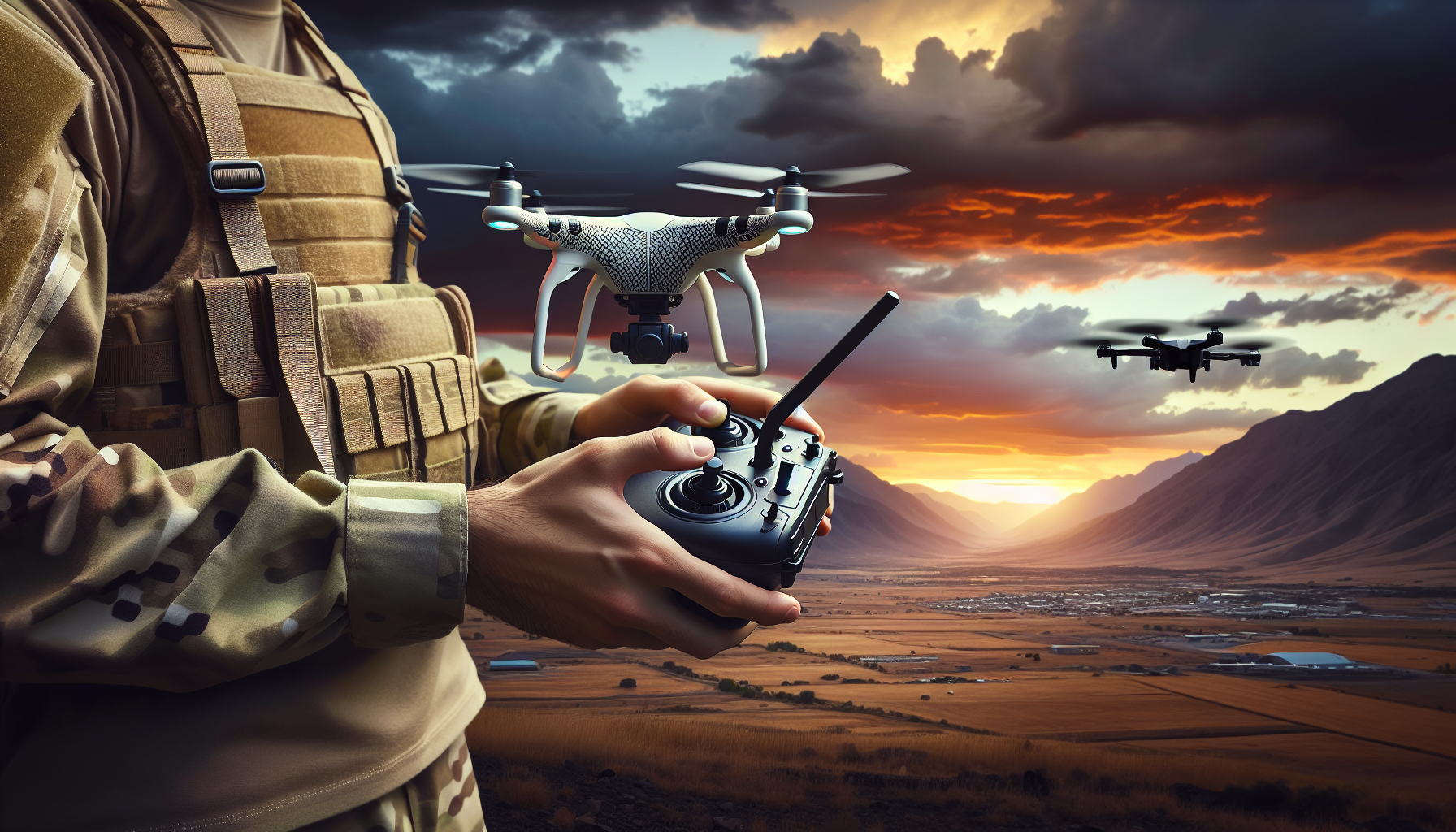
Introduction to the Bumblebee V2
The U.S. Army is stepping into a new era of aerial combat with the upcoming evaluation of the Bumblebee V2 drone interceptor. Following a substantial contract from the Pentagon worth $5.2 million, this innovative drone is set to undergo assessments starting in March, with initial deliveries anticipated shortly afterwards. The development and deployment of this technology mark a significant milestone in military drone capabilities.
Contract Details
Announced on February 4, the contract was facilitated by the Defense Department’s Joint Interagency Task Force 401 (JIATF-401). This initiative highlights a focused approach toward enhancing counter-drone warfare strategies, as the Army seeks to bolster its defense against escalating aerial threats. This contract represents more than just an agreement; it symbolizes a commitment to advancing U.S. military technology in a rapidly evolving landscape.
Technical Specifications
The Bumblebee V2 is a state-of-the-art quadcopter designed with first-person view technology, which allows for a unique operational perspective. It’s not just a surveillance tool; this drone operates as an autonomous hunter-killer system. Equipped with sophisticated artificial intelligence, the Bumblebee can accurately identify and engage enemy unmanned aerial vehicles (UAVs) in real-time, making it an effective tool in modern warfare.
Hard Kill Capabilities: One of the defining features of the Bumblebee is its ability to carry out “hard kills”—actively engaging competitor drones through direct physical strikes. This kinetic approach, while innovative, necessitates precise navigation and control, showcasing the advanced technology embedded within the system.
Operational Efficiency
The Bumblebee V2 is not just about high-tech bells and whistles; it’s designed with efficiency in mind.
-
Cost-Effectiveness: Brig. Gen. Matthew Ross, the director of JIATF-401, has emphasized that the drone offers a reliable and economical solution for neutralizing UAV threats. This means fewer resources are expended while effectively dealing with aerial challenges, minimizing the risk to both personnel and infrastructure.
-
Versatile Warfare Tool: As drones increasingly permeate the battlefield, having robust counter-drone capabilities like those provided by the Bumblebee V2 becomes essential for maintaining force protection. Its design allows for flexibility in various operational scenarios, enhancing the Army’s defensive repertoire.
Safety and Urban Application
In urban environments, where collateral damage can have catastrophic consequences, the Bumblebee V2 provides a significant advantage.
- Minimized Risk: Traditional counter-UAV tactics often involve munitions that can create dangerous debris and detonate in populated areas. In contrast, the Bumblebee utilizes drone-on-drone methods, effectively avoiding the use of conventional ammunition. This innovation significantly reduces the likelihood of collateral damage, making it ideal for urban operations where civilian safety is paramount.
Regulatory Compliance
Compliance with regulatory frameworks is critical for military technology. The Bumblebee V2 adheres to updated guidelines stipulated in the National Defense Authorization Act (NDAA), which imposes stringent controls on the incorporation of foreign components in military systems. By ensuring such compliance, the drone is positioned for immediate deployment, reflecting its operational readiness and alignment with national security standards.
Integration with Innovation Initiatives
The Army’s evaluation of the Bumblebee V2 aligns seamlessly with the strategic objectives of the Lt. Gen. James M. Gavin Joint Innovation Outpost. Recently inaugurated at Fort Bragg on January 3, this facility serves as a collaborative hub where military personnel, academic experts, and industry leaders converge. Their mission: to develop and test cutting-edge technologies that can advance military capabilities.
This initiative not only bolsters the Army’s operational efficiency but also establishes a framework for ongoing innovation in defense technology, ensuring that the U.S. military remains at the forefront of new developments.
The Bumblebee V2 drone interceptor exemplifies an essential advancement in counter-drone capabilities, adapting to the challenges of contemporary warfare and demonstrating the U.S. military’s commitment to personnel safety and strategic innovation.