


Cherkasy Region Targeted in Drone Assault
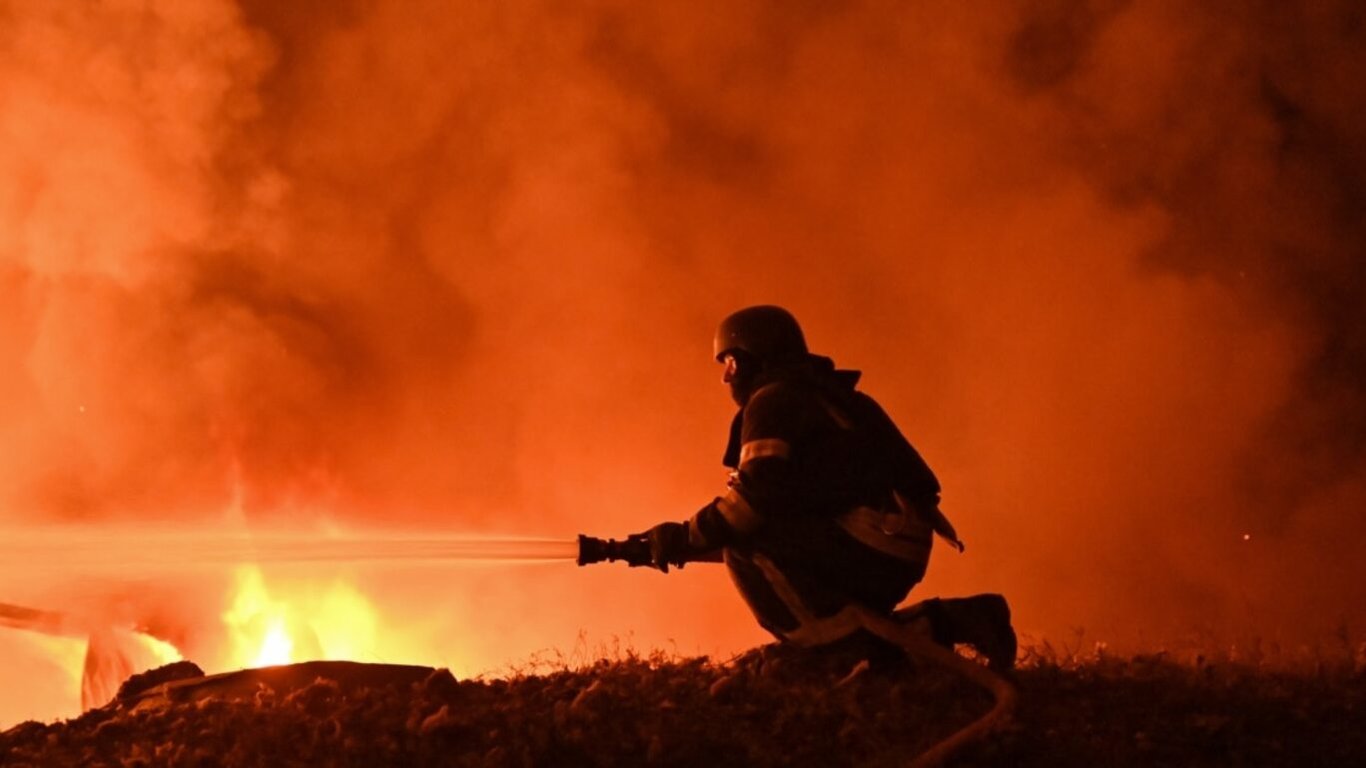
On February 2, the Cherkasy region of Ukraine became the latest target in a series of drone attacks, as Russian forces ramped up their offensive strategies far from the front lines. This particular assault, reported by Novyny.live, resulted in multiple explosions and fires within the city of Cherkasy, leaving four individuals injured and causing noticeable damage to civilian infrastructure.
The ramifications of such attacks extend beyond immediate casualties; they inherently foster a climate of fear and uncertainty among local residents. Eyewitness accounts describe chaotic scenes following the drone strikes, with flashes of light illuminating the night sky and the sounds of sirens piercing through the silence. Regional officials have expressed grave concern for the safety of civilians, emphasizing the urgent need for protective measures against these increasingly common threats.
Medical Response and Community Impact
In the aftermath of the attack, medical personnel swiftly mobilized to provide care for those injured. Regional official Ihor Taburets reported that healthcare teams are closely monitoring the health status of the wounded individuals, reflecting the serious consequences that such assaults have on the local civilian population. The psychological toll cannot be overstated; communities are left to grapple not only with physical injuries but also with the trauma of such unpredictable violence.
The need for medical aid and support services becomes crucial in areas like Cherkasy, where civilians may find themselves unprepared for the magnitude of conflict that has reached their neighborhoods. This call for heightened security and assistance underscores the vulnerability of non-combatants, who often bear the brunt of military actions that appear to target urban environments without distinction.
Broader Trends in the Conflict
The attack in Cherkasy is but a single instance within a broader context of escalating conflict across Ukraine. Similar drone strikes have been reported in other cities, including a notable incident in Kharkiv just a day prior. Although details surrounding the Kharkiv explosions remain limited, they further illustrate a worrying trend: Russian forces seem increasingly willing to target civilian centers, perpetuating a cycle of violence that has placed immense strain on Ukrainian society.
The use of long-range weapons and drones signifies a shift in tactics, moving the battlefield into urban landscapes where civilians are more likely to be affected. This tactical decision not only raises questions about the ethical implications of war but also highlights the urgent need for international responses to protect civilian populations in conflict zones.
The Fight for Resilience
As the conflict persists, many communities in Ukraine are striving to maintain a sense of normalcy amidst the chaos. Resilience is evident in the local responses to these violent attacks. Citizens are organizing community efforts to support those affected, setting up initiatives to provide medical supplies and mental health resources. Such collective actions not only assist in recovery but also foster a sense of solidarity among those facing the daily realities of war.
In summary, the drone assault on Cherkasy exemplifies the harsh realities faced by civilians in regions of conflict. As reports of violence and civilian casualties continue to surface, the call for compassion, aid, and vigilance becomes ever more critical, urging both local communities and the international community to take proactive steps in protecting those caught in the crossfire.