


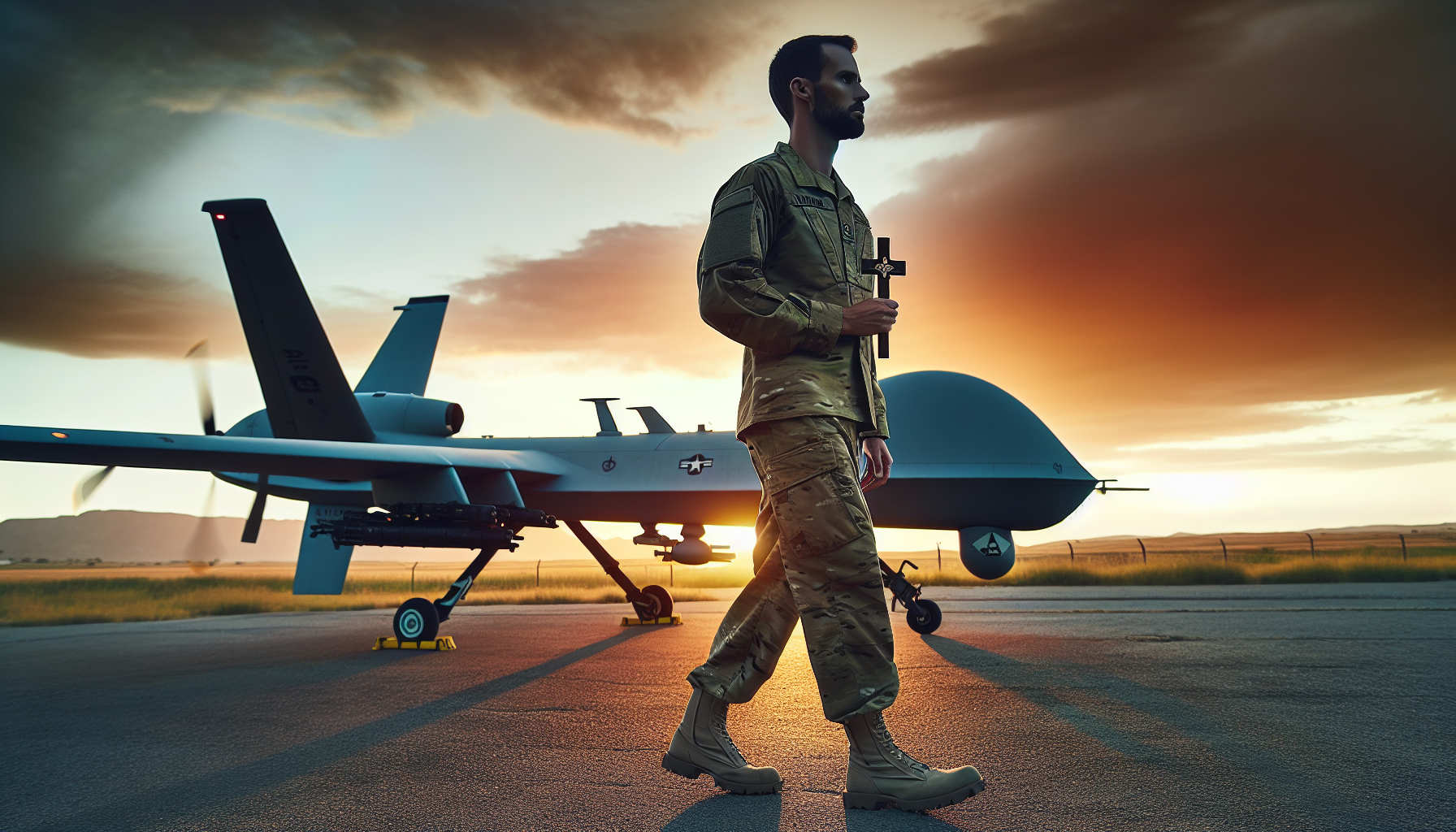
The Role of Military Chaplains: A Personal Journey of Moral Conflict
Military chaplains serve a vital role within the armed forces, offering pastoral care, counseling, and support to soldiers facing the unique challenges of military life. However, one chaplain, Chris Antal, made headlines with his resignation in April, citing ethical concerns with U.S. military policies, particularly concerning drone warfare and nuclear weapons. His resignation letter to President Obama resonated deeply, highlighting a growing unease about the moral implications of modern warfare.
Background: The Dual Role of Military Chaplains
Chaplains in the military are tasked with more than just spiritual guidance; they are expected to support soldiers in challenging times. The Department of Defense regards chaplains as equipped to offer “pastoral care, counseling, and coaching” in environments filled with tension and uncertainty. However, the complexities of their role can lead to difficult questions about ethics and accountability in military operations.
Chris Antal’s Resignation: A Call to Action
Antal’s letter to President Obama encapsulates his frustrations with the administration’s policies. He pointedly criticized the executive branch’s claimed authority to carry out drone strikes and other military actions without transparency or consent, saying, “I refuse to support this policy of unaccountable killing.” His stance emphasizes the moral weight carried by those serving in the military, especially when it entails the loss of innocent lives.
Early Moral Discontent: A Journey of Doubt
Antal’s journey into the military was marked by a desire to provide care and support, driven by compassion for others. However, his views evolved as he bore witness to the realities of war and its impact. His first encounter with armed drones at Kandahar Airfield was a significant turning point: he began to question the ethics of using such technology for warfare. The moral implications of military actions became palpable as he later encountered the mental health crises faced by returning soldiers.
Moral Injury: The Hidden Trauma of Drone Warfare
“Moral injury” has emerged as a descriptor of the psychological wounds inflicted on military personnel, particularly drone operators. Unlike traditional PTSD, moral injury specifically addresses the emotional and ethical distress caused by actions that violate a person’s core values. For drone pilots, witnessing the impact of their actions—from remote locations—can lead to profound feelings of guilt and remorse, highlighting the emotional toll of modern warfare.
The Trust Breakdown: Civil-Military Relations
The relationship between service members and the U.S. government is built on trust. When young soldiers enlist, they do so with the expectation that they are defending noble ideals. Unfortunately, many believe that this contract has been broken. Antal reflects this sentiment, arguing that recent generations of service members have felt disillusioned by repeated failures in military interventions that often do not align with their values or sense of duty.
Critique of National Sentiment towards Soldiers
Antal has voiced concerns about the idolization of soldiers, contrasting it with the historical stigma faced by veterans. He critiques the surface-level support that often glorifies military service while ignoring the complexities of warfare. This dynamic complicates reintegration for veterans, as societal narratives about heroism pressure them to conform to unrealistic expectations.
The Stalemate of Ethical Concerns Among Chaplains
Antal’s moral conflict is not an isolated incident. Many chaplains grapple with the challenge of voicing their ethical concerns while fulfilling their roles within the military. Financial dependencies, including benefits that support their families, often lead to silence among those who might otherwise speak out against unjust policies.
The Decline of Anti-War Voices in Contemporary Society
Comparing today’s military landscape to that of the Vietnam War era, Antal notes a marked decline in vocal anti-war sentiment, particularly from religious communities. With only about 1% of the U.S. population serving in the military today, many citizens feel disconnected from the realities of war. This disengagement shifts the burden of moral decision-making away from the broader population, allowing for the outsourcing of military actions without shared accountability.
Resignation as a Form of Protest
Antal’s decision to resign marks a pivotal moment for chaplains and military personnel questioning their moral compass. His exposition of the challenges faced by chaplains who wish to maintain their principles reveals a larger conversation about the role of ethics in military service. By stepping away from his position, Antal sought to align his actions with his beliefs, spotlighting the urgent need for dialogue about morality in a modern military context.
By exploring these layers of Antal’s experiences, we gain insight into the complexities facing military chaplains today, illuminated by a commitment to justice, compassion, and human dignity in an increasingly contentious world.