


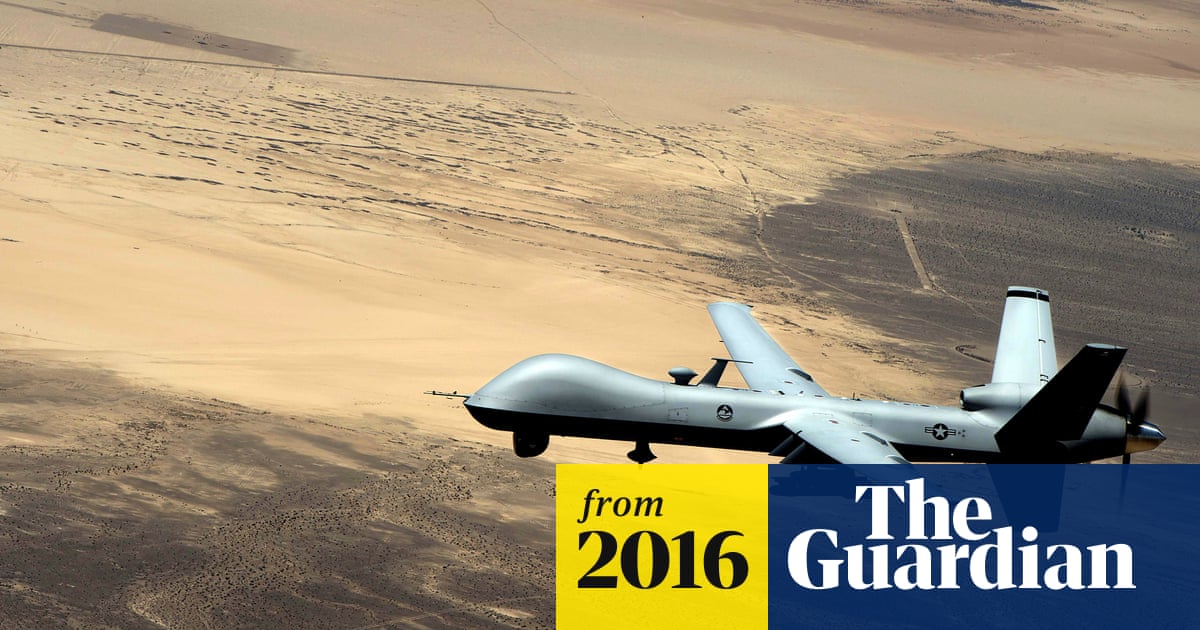
The dawn of February 22, 2016, marked yet another chapter in the contentious saga of American drone warfare. Under the cover of darkness, missiles from CIA drones struck various targets in Pakistan’s lower Kurram tribal agency, resulting in the tragic deaths of four to five individuals and injuring others. This event was not just another statistic; it encapsulated a broader narrative of a military strategy that had already entered its second decade. As news filtered in, the United States was not only launching strikes in far-flung areas like Pakistan and Yemen but also in Libya and Syria, revealing the expansive reach of its drone program.
In the following weeks, U.S. military strikes escalated in several regions. Reports noted American drone activity in six countries, including Yemen, where coincidental strikes during 2016 resulted in significant civilian casualties. This wave of strikes, while deadly, failed to ignite considerable public outcry or reflection. Instead, they blended into the background noise of a society increasingly desensitized to remote warfare.
The Obama administration, responsible for a substantial expansion of drone operations, marketed these strikes as “precise” and “lawful.” These phrases, often employed by senior officials, were aimed at reassuring the public about the legality of targeted killings. However, the context of “lawful” within this framework was deeply nuanced and problematic. Lacking rigorous legislative oversight, drone strikes were often justified through obscure legal interpretations developed by executive branch lawyers, retained behind closed doors and shielded from public scrutiny.
Historically, the U.S. government had condemned assassination practices outright. However, the drone campaign signaled a major pivot in this long-standing stance. Critics asked what made U.S.-conducted drone strikes fundamentally different from the extrajudicial killings the nation had previously denounced. The juxtap of the executive orders prohibiting murder with the drone campaign called for substantial legal and ethical considerations.
Secrecy obfuscating the drone program only deepened public discomfort. Reports indicated that by the end of the first term of President Obama’s presidency, thousands had fallen victim to drone strikes across various countries, including Pakistan and Yemen. Many of these victims were civilians, raising urgent questions about the moral implications of the U.S. program and its compliance with international human rights law.
One of the most controversial moments came in 2010 when American citizen Anwar al-Awlaki found himself on a CIA kill list. Once a vocal critic of extremist ideologies, Awlaki had become marginally radicalized after fleeing to Yemen amid increased scrutiny from American authorities. The decision to target him marked a significant departure from previous legal frameworks; the U.S. was now prepared to kill its own citizens without judicial oversight or due process.
Awlaki’s death sparked intense debates in American courts, alongside discussions about executive overreach and constitutional limits. Notably, the case highlighted the lack of due process afforded to U.S. citizens marked for death overseas. Legal representatives contended that every individual deserved a fair trial, but the courts dismissed arguments challenging the legitimacy of the government’s actions based on procedural grounds.
Tragically, the fallout from the drone campaign hit even closer to home when Awlaki’s teenage son, Abdulrahman, was killed in a follow-up strike. The collateral damage of the drone program became impossible to ignore, as the killing of a 16-year-old boy incited further outrage. Legal efforts to address the situation met with resistance, revealing an administration determined to maintain its pervasive authority while holding onto a narrative that justified its military actions.
The intricate legal framework behind drone strikes revealed a reliance on confidentiality that permitted significant evasion of accountability. Key memos remained undisclosed, and evidence justifying the designation of individuals as “operational terrorists” was not made public. The administration’s selective approach to disclosure left the average American largely uninformed about the true scale and implications of the drone program.
While drone warfare had evolved into a normalized facet of U.S. foreign policy, the rhetoric surrounding its legality often felt hollow. Critics argued that the once explicitly condemned notion of targeted killings waxed suddenly permissible under certain narratives, especially with the approval of a president perceived as a constitutional scholar.
The irony lay in this contradiction — a leader initially elected to dismantle the expansive and secretive structures erected by previous administrations found himself fortifying them instead. The complexities and moral implications of wielding such immense power under the guise of national security revealed alarming precedents. As the campaign of drone strikes continued unabated, the ramifications of asserting lethal authority led to an unsettling reality where the next president would inherit an established framework of preemptive strikes devoid of stringent legal boundaries.
In essence, the expansion of the drone program encapsulated a profound transformation in U.S. military policy, raising vital questions not only about legality but also about morality and the essence of justice itself. Each strike, whether in a battlefield or a distant land, contributes to an ever-expanding narrative regarding the United States’ role in the global fight against terrorism and its implications for indigenous populations living in the crosshairs. Land, identity, and lives are not merely collateral; they are poignant reminders of the cost of warfare executed from afar.