

Senator Rand Paul’s Critique of the Obama Administration
In a recent appearance on ABC’s “This Week,” Senator Rand Paul (R-Ky.) voiced significant concerns about the controversies surrounding the Obama administration. He argued that issues such as the IRS scrutiny of conservative groups, the investigations into leaked information from reporters, and the handling of the Benghazi attack have severely undermined President Obama’s “moral authority to lead the nation.” According to Paul, while the president may possess the legal authority to govern, the ethical implications of these controversies threaten his ability to inspire trust and respect among the American people.
The IRS Scandal and Moral Authority
Paul’s comments delve deep into the implications of the IRS scandal, where it was revealed that conservative groups applying for non-profit status faced increased scrutiny. He is particularly adamant that the concerns raised by this scandal should encourage the president to take decisive action. “If he goes beyond 30 days and if no one is fired over this, I really think it’s going to be trouble for him trying to lead in the next four years,” Paul stated, emphasizing the necessity for a special counsel to expedite the investigation. However, he refrained from asserting outright whether any crimes had been committed, pointing instead to the complexities of the situation, particularly the refusal of IRS official Lois Lerner to testify.
Due Process and Drone Strikes
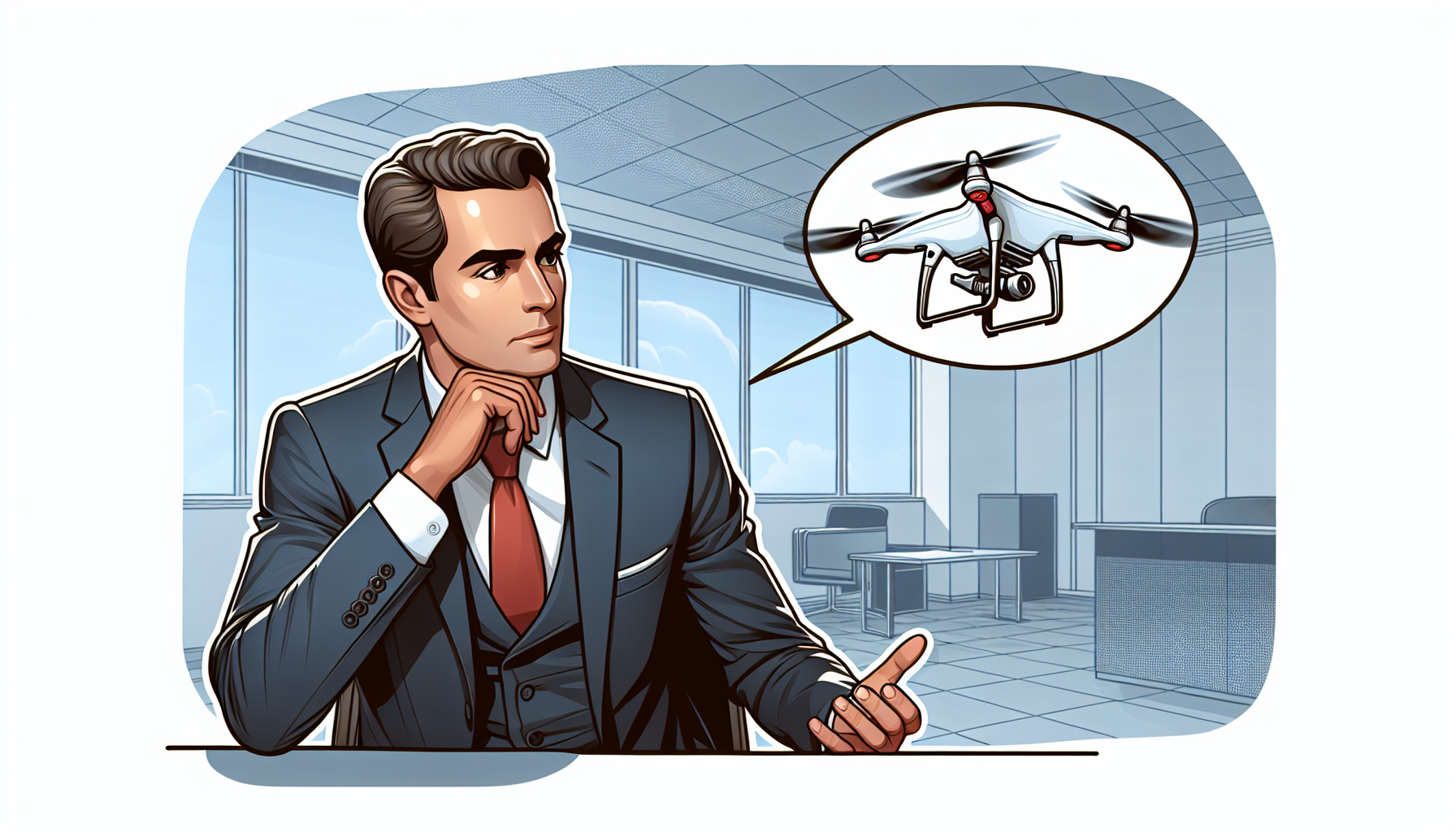
Turning to national security issues, Paul expressed dissatisfaction with the administration’s approach to drone strikes—an area he has scrutinized extensively. His concerns highlight a fundamental issue about due process. “Due process to most of us is a court of law, it’s a trial by a jury,” Paul remarked, criticizing the administration for relying on a less transparent method of decision-making, allegedly based on “Terror Tuesdays” presentations. He believes that this method does not fulfill the constitutional responsibility to afford individuals a fair judicial review.
In discussing the controversial drone strike that killed Al-Qaeda leader Anwar al-Awlaki, Paul reiterated his position that individuals accused of treason should be tried in court, asserting, “If you are conspiring to attack America and you are a traitor, I would try you for treason.” His perspective underscores an essential principle of fairness and accountability.
Civil Liberties and Presidential Powers
Senator Paul’s apprehensions extend to President Obama’s handling of civil liberties. He expressed skepticism about the president’s commitment to not exercising indefinite detention powers, stating, “It’s not good enough that he’s not using a power. We want him to assert that he won’t, that he doesn’t have the power.” This skepticism points to the ongoing debate about the balance between national security and individual rights—a topic that has polarized public opinion for years.
Guantanamo and Military Trials
On the contentious issue of Guantanamo Bay, which President Obama has long sought to close, Paul argued against complete closure, suggesting that the facility has become more than just a prison; it is emblematic of broader issues. “I think the people being held there are bad people,” he said, but he believes they should face charges and trials, perhaps in military commissions. Paul posits that this approach would demonstrate America’s commitment to justice and due process, a sentiment that resonates with many who advocate for the rule of law.
Summary of Perspectives
Throughout his statements, Senator Paul remains unwavering in his call for accountability and transparency from the Obama administration. His critiques cover a wide range of topics—from ethical governance and the importance of civil liberties to the necessity of judicial processes before any military actions. By advocating for these principles, Paul not only seeks to hold the administration accountable but also aims to uphold the foundational values of American democracy.
Senator Rand Paul’s candid observations reveal a complex landscape of political and ethical challenges facing the Obama administration, emphasizing that leadership demands not just legal authority, but also moral integrity.