


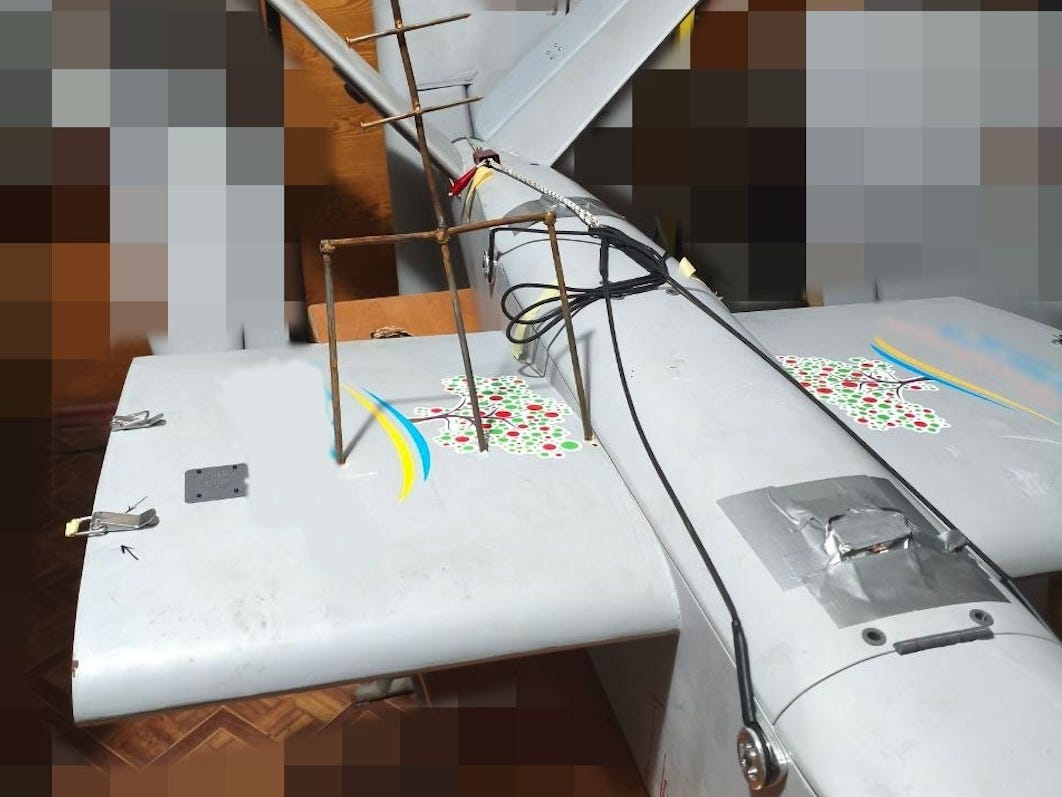
A Surprising Encounter: The Trident Incident with Ukrainian Drone
In a striking incident that underlines the unique nature of modern warfare, a Ukrainian bomber drone recently returned from a strike mission with an unusual trophy: a crude trident made from nails and thin steel rods. This unexpected find not only emphasizes the innovative and often improvised nature of air defense tactics in the ongoing conflict but also reveals the unpredictable challenges that drone operators face on the battlefield.
The Mission’s Background
According to Alex Eine, a unit commander from Ukraine’s northeastern Kharkiv region, the drone in question was conducting a routine strike on Russian targets when the encounter occurred. Leaving the base equipped for combat, the drone’s primary mission was to provide surveillance and deliver payloads on enemy installations. However, its return marked a bizarre twist in what is typically a routine operation.
The Trident Strike
Upon the drone’s return, soldiers were astonished to discover the trident lodged into its fuselage. Initially mistaken for part of an antenna, closer inspection revealed that this projectile was approximately 60 centimeters long and was not only an unusual sight but an indication of a new approach to air defense.
“It’s definitely not something we typically see,” Eine remarked. “The trident was launched from another drone, likely in a desperate attempt to intercept us.” The incident marks what appears to be a pioneering usage of a trident as an air defense mechanism, illustrating the resourcefulness that has characterized both sides of this ongoing conflict.
A Creative Defense Strategy
This novel approach to air defense highlights the mingling of makeshift tactics with modern technology in contemporary warfare. Drones, particularly in this Eastern European theater, have become staple tools for reconnaissance and offensive strikes. With air superiority challenged by escalating drone warfare, both sides have resorted to unorthodox solutions, and this trident serves as a prime example.
Technical Insights
As the Backfire drone cruised at an altitude of over 800 meters (2,600 feet), it operated in a blind spot that was typically not monitored by onboard cameras. The fact that this home-crafted projectile was able to penetrate the drone’s defenses raises important questions about the limitations of current air surveillance technology. The telemetry logs indicate potential tracking points of impact, but gusty winds complicated the analysis.
Damage Assessment and Tactical Implications
Despite the unusual nature of the strike, the Backfire drone emerged with only minor scratches, testament to the sturdy construction of its airframe. Furthermore, Eine expressed the sentiment that other types of drones could be more vulnerable to similar attacks. He explained, “A projectile like the trident could be particularly effective against heavy quadcopter drones, which often have more exposed propellers.”
The Broader Context of Drone Warfare
The trident incident fits into a broader narrative: drones have come to dominate the battlefield, accounting for a significant proportion of casualties in the ongoing war. As forces adapt to each other’s tactics, they are increasingly experimenting with unconventional approaches. Ukrainian officials assert their ongoing production of homemade interceptor drones, designed to combat threats in the air. This dynamic cat-and-mouse game continues to evolve as both sides seek superior methods of aerial dominance.
Conclusion: A Reflection on Adaptability
While the use of a trident to intercept a drone may initially seem like a comical or absurd tactic, it signals a critical reality of modern warfare: adaptability is essential. Whether employed for serious combat or as a mere gesture of defiance, such improvised methods illustrate the lengths to which both Ukrainian and Russian forces will go to gain an edge in the conflict.
As the war continues to unfold, stories like this remind us that innovation often emerges from necessity, and that the battlefield will continually adapt to the challenges posed by both technology and creativity.