



Ukraine’s Strategic Diplomatic Moves: A Focus on Drone Technology and Global Relations
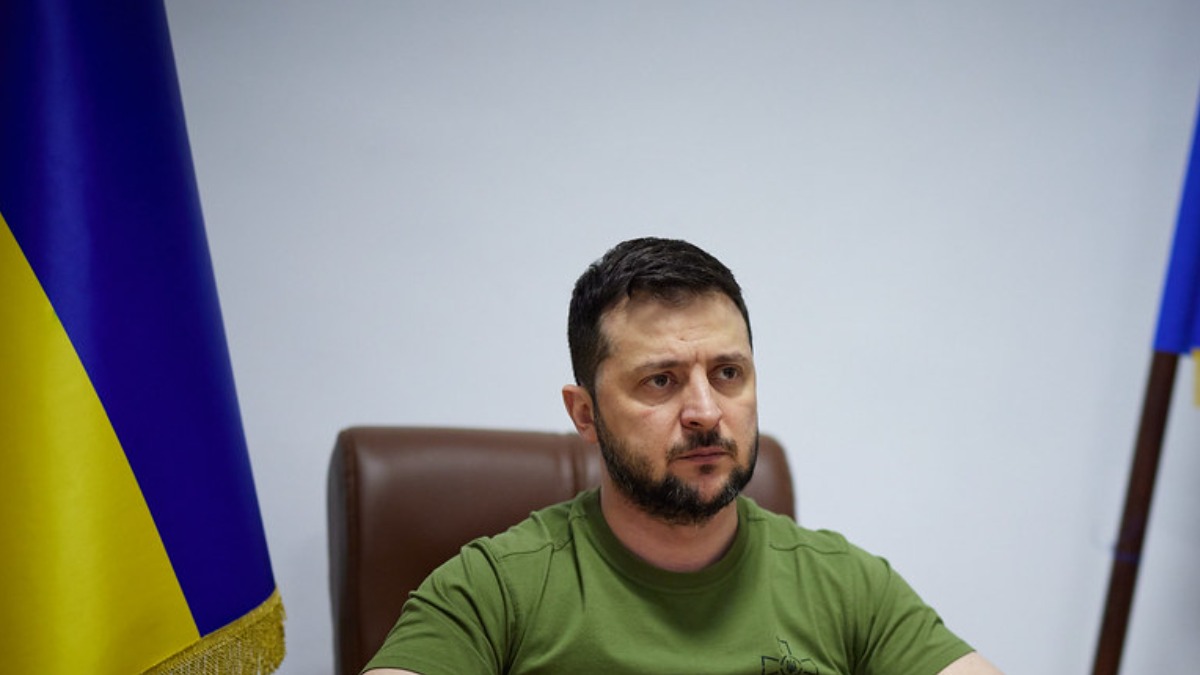
Image by President Of Ukraine, CC0 1.0.
In a rapidly changing geopolitical landscape, Ukraine is leveraging its growing expertise in drone technology to position itself not just as a key player in European security, but also as a valuable ally to countries facing threats from Iranian drones. Recently, President Volodymyr Zelenskyy announced the deployment of specialist teams to the Middle East, underscoring Ukraine’s commitment to assist partner nations while simultaneously seeking critical resources and support in return.
The Middle Eastern Deployment
Zelenskyy confirmed that Ukraine has dispatched three expert teams to the region, specifically to Qatar, the United Arab Emirates, Saudi Arabia, and a U.S. military base in Jordan. These teams are not engaged in military actions but rather focus on demonstrating the operational capabilities of Ukraine’s drone defense systems. This move highlights Ukraine’s increasing involvement in international security affairs beyond its borders while adhering to a non-military strategy regarding Iran.
“We are not at war with Iran,” Zelenskyy noted, emphasizing that Ukraine’s role is strictly advisory and focused on knowledge transfer. The situation is critical as various Middle Eastern nations are grappling with recurrent drone attacks, particularly due to the presence of U.S. military bases, making drone defense more paramount than ever.
Expertise Born from Necessity
Ukraine’s experience with drones has been shaped significantly by the ongoing conflict with Russia, which has employed Iranian-made Shahed-136 drones against Ukrainian targets. Over the past four years, Ukraine has developed a robust framework for countering these threats through various means, including inexpensive interceptor systems, electronic jamming technologies, and anti-aircraft weaponry. This accumulated wisdom has positioned Ukraine as an expert nation in drone defense, making its knowledge highly sought after by nations in the Middle East.
Negotiating for Resources
Zelenskyy has made it clear that while Ukraine is open to sharing its drone defense expertise, any partnerships or agreements would necessitate reciprocal benefits in terms of technology transfer and funding. “Both the technology and the funding are important,” he stated, indicating that Ukraine is looking for more than just goodwill in these international engagements.
Further complicating the matter, Zelenskyy expressed frustration at a lack of support from Washington, particularly regarding signed drone agreements that could facilitate cooperation between the U.S. and Ukraine. He indicated that he was pushing for a substantial deal projected to be worth between $35 billion and $50 billion—a clear indicator of Ukraine’s desire to enter into meaningful, mutually beneficial arrangements.
The Complicated Dynamics with the U.S.
Former President Trump has cast doubt on the necessity of Ukraine’s drone assistance while simultaneously indicating a need for international support regarding Iranian threats. This juxtaposition poses challenges for Zelenskyy, who is advocating for a clear-cut commitment from the U.S. Meanwhile, with Chinese and Russian interests looming, Ukraine’s ability to secure meaningful partnerships in the Middle East could be seen as strategic positioning for future engagements.
Potential Challenges Ahead
Zelenskyy has expressed concerns that ongoing conflicts in the Middle East could detract from U.S. support for Ukraine, particularly regarding critical air defense systems. “We would very much not like the United States to step away from the issue of Ukraine because of the Middle East,” he cautioned, underscoring the intricate balance that the Biden administration must maintain in its foreign policy.
Moreover, the inconsistent messaging from the White House regarding Iranian threats has led to a fractured understanding of the geopolitical landscape, causing concerns among European allies as well. Proper communication and cooperation will be essential for ensuring Ukraine’s needs are met while addressing the concerns of its Middle Eastern allies.
The Role of Government in International Trade
Zelenskyy has also emphasized that any purchases of Ukrainian defense technology should be conducted through official government channels rather than allowing foreign entities to deal directly with manufacturers. He noted, “Unfortunately, representatives of certain governments or companies want to bypass the Ukrainian state to purchase specific equipment.” This insistence on formality is critical to ensure that agreements are beneficial for Ukraine and maintain national security interests.
In conclusion, Ukraine’s strategic maneuvers in the Middle East serve not only as a testament to its growing expertise in drone warfare but also highlight the complexities of international diplomacy in an era marked by evolving threats. Through careful negotiation and collaboration, Ukraine seeks to solidify its role as a key ally while safeguarding its interests on both European and global fronts.