


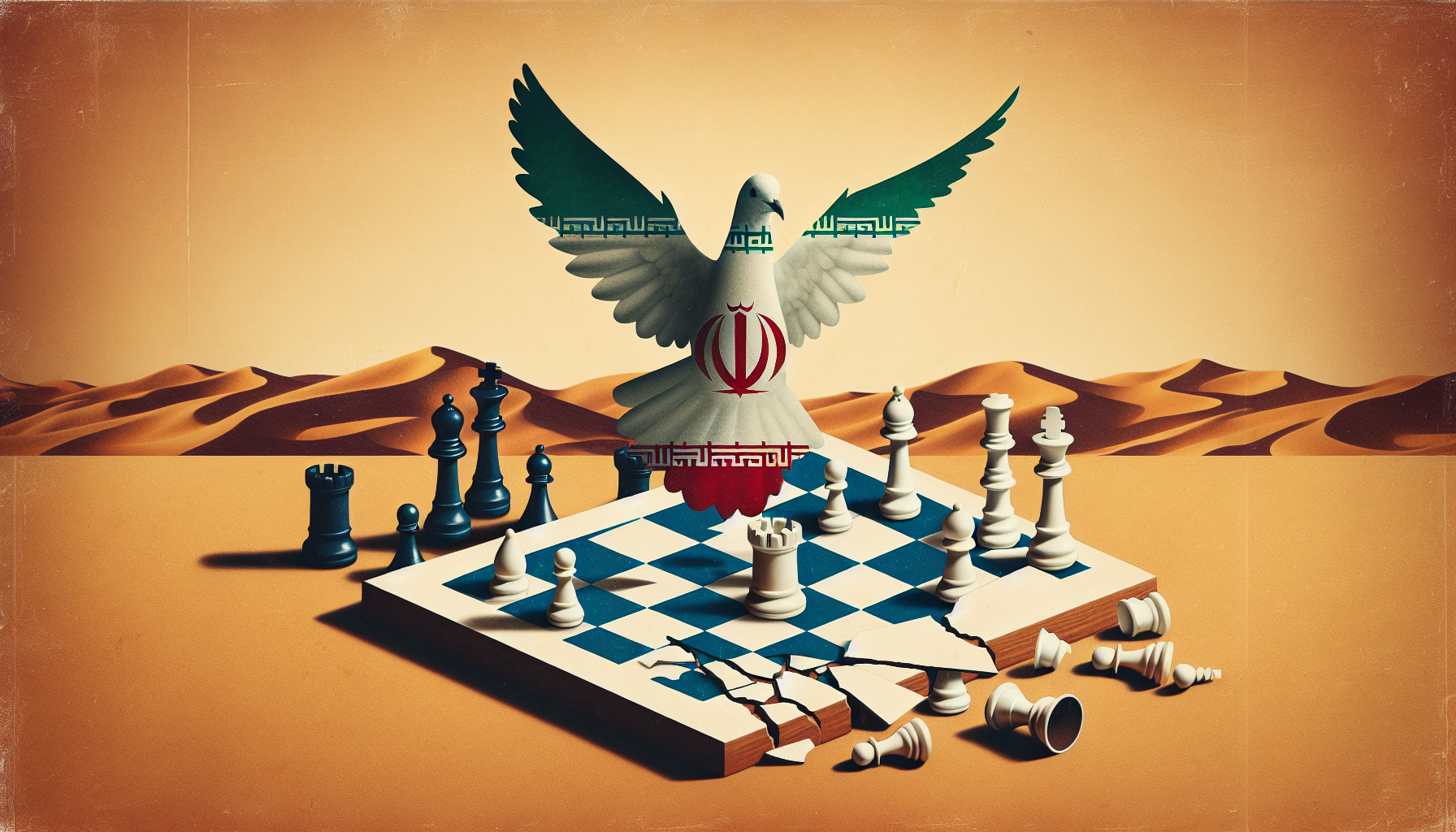
Coordinated Military Operations Against Iran: A Critical Overview
On February 28, 2026, the United States and Israel initiated coordinated military operations targeting the Iranian regime, sparking global attention and concern. The purpose of these operations, driven by the belief that Iran’s nuclear ambitions were an imminent threat, highlighted the limits of diplomatic efforts and marked a significant escalation in Middle Eastern tensions.
What Happened?
U.S. President Donald Trump announced the commencement of “major combat operations in Iran,” emphasizing that the primary goal was to “defend the American people by eliminating imminent threats from the Iranian regime.” Trump asserted that Iran “can never have a nuclear weapon.” The operation, named Epic Fury, was executed in conjunction with Israel’s Roaring Lion campaign. Israeli Prime Minister Benjamin Netanyahu expressed gratitude for Trump’s leadership, asserting that the actions were essential to neutralize “the existential threat posed by the terrorist regime in Iran.” Explosions were reported across Tehran and sites associated with Iran’s intelligence, defense, and nuclear programs.
AJC’s Position
The American Jewish Committee (AJC) expressed unwavering support for the actions taken by the U.S. and Israel, highlighting the necessity of dismantling Iran’s global terror campaign. They emphasized that a world free of the Iranian regime’s nuclear and missile threat is essential for global safety. The AJC’s statement reflects a broader hope that this military action is a decisive step in addressing long-standing concerns regarding Iran’s aggressive posture.
Iran’s Response
In retaliation, Iran launched waves of ballistic missiles and drones targeting Israeli cities and U.S. military positions across the Gulf. Reports suggest that over 180 missiles were aimed at Israel, with significant missile barrages aiming at civilian areas, resulting in considerable casualties. As of March 10, civilian fatalities in Israel climbed to fourteen, with over 2,000 injuries reported due to missile attacks. Additionally, strikes against U.S. forces resulted in numerous explosions, while falling debris also claimed lives and inflicted damage on non-combatants across the region.
Iran’s military efforts have included targeting critical infrastructure in key Arab states, such as the United Arab Emirates and Saudi Arabia, resulting in significant impacts on local communities and international energy markets. The U.S. Central Command reported that Israeli forces managed to destroy more than 300 Iranian missile launchers, dramatically reducing Iran’s missile capabilities.
Communication to the Iranian People
Both U.S. and Israeli officials conveyed messages aimed at the Iranian populace. President Trump urged Iranians to “take over your government,” framing the military action as a pathway to freedom. Netanyahu echoed these sentiments, suggesting that the joint military campaign would create conditions favorable for changes within Iran’s leadership.
Key Targets in Operations
The coordinated military operations successfully eliminated several high-ranking Iranian officials involved in nuclear and ballistic missile development. Among those reportedly killed was Ali Khamenei, the Supreme Leader of Iran, which marked a substantial disruption in the regime’s leadership. Other significant casualties included senior military and defense officials, which Israeli forces claimed were pivotal in Iran’s strategy and repressive measures against domestic dissent.
The Rise of Mojtaba Khamenei
Following the death of Ali Khamenei, Mojtaba Khamenei, his son, was appointed the new Supreme Leader. His rise to power suggests continuity in Iran’s hardline policies, particularly in its regional aggression and support for terror proxies. Mojtaba’s connections to the Iranian military suggest that Tehran will likely maintain its confrontational stance against perceived adversaries.
Responses from Iranian-Backed Proxies
Iranian-backed groups, including Hezbollah and Hamas, have intensified their military actions. Hezbollah has launched a series of missile attacks against Israel, resulting in casualties on both sides. Meanwhile, Hamas has issued statements supporting the Iranian regime, mobilizing regional sentiments but has yet to escalate its military engagement significantly.
Iran’s Strategic Leverage: The Strait of Hormuz
In a calculated maneuver, Iran has threatened to disrupt the strategic Strait of Hormuz, a crucial passage for global oil supplies. By threatening shipping routes, Iran seeks to amplify the global repercussions of the conflict, potentially elevating energy prices and pressuring nations to reconsider their policies toward Tehran.
Historical Context
The ongoing hostilities can be traced back decades, with Iran’s pursuit of nuclear weapons and support for regional terror proxies creating an escalating cycle of tension. Attempts to limit Iran’s nuclear program, including the 2015 nuclear deal, have repeatedly faltered, revealing the complexities and difficulties of negotiating with a regime that remains committed to its military ambitions. As protests against the Iranian government intensify within the nation, these internal pressures further complicate the broader geopolitical landscape.
Resources for Further Understanding
To navigate the developing situation regarding Iran’s threats and its implications, resources from the American Jewish Committee offer critical insights into the ongoing challenges:
- Understanding the Latest Joint U.S.-Israel Operation in Iran
- Analysis on Iran’s Regional Influence and Terror Networks
This intricate web of military, diplomatic, and societal dynamics illustrates the urgent and evolving crisis surrounding Iran, with far-reaching consequences for regional stability and global security.