

Engaging Leadership Development: The Role of JIATF-401 in Modern Defense
A Noteworthy Engagement
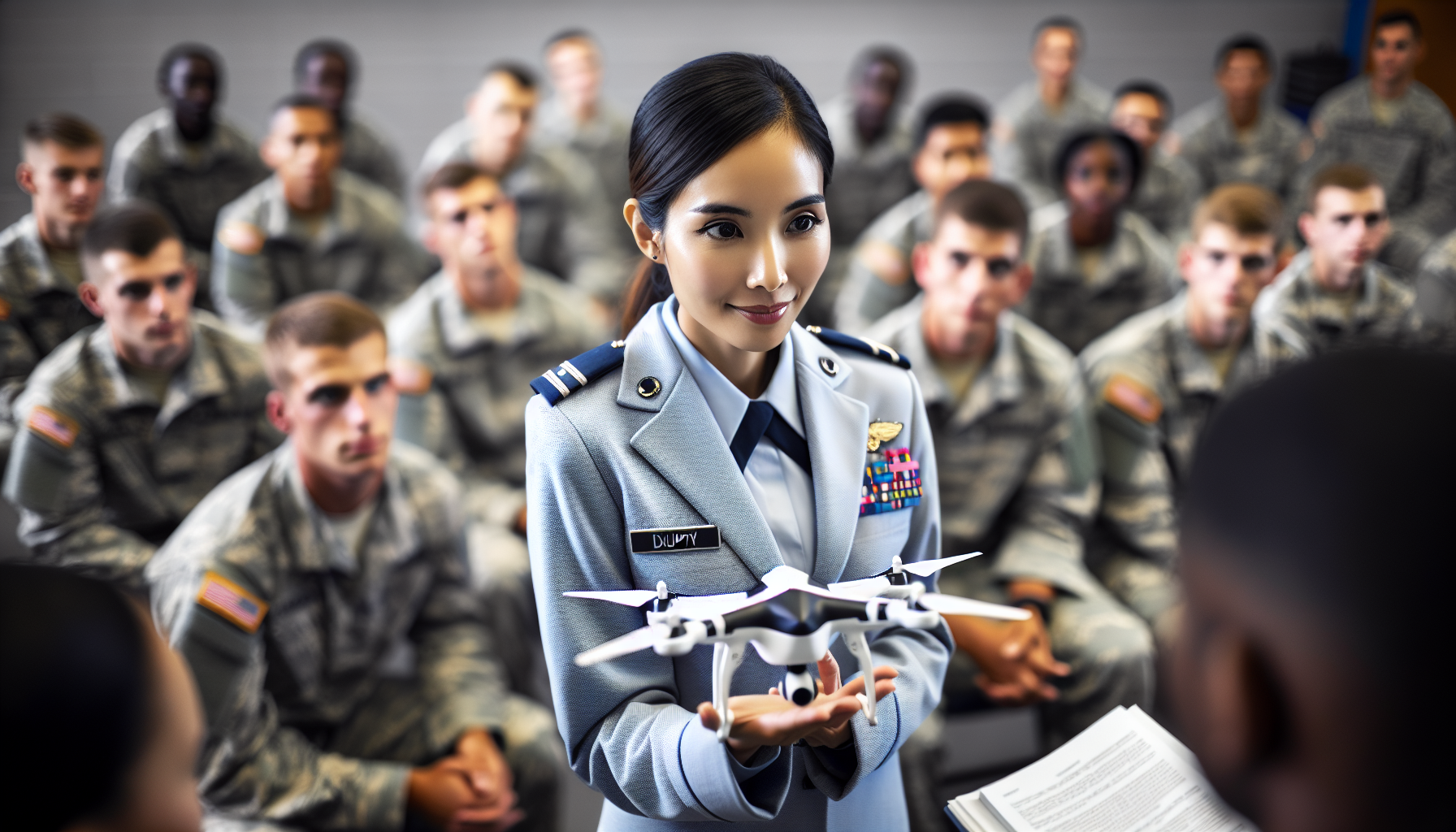
On March 11, 2026, Seton Hall University in South Orange, New Jersey, was the backdrop for a significant event featuring U.S. Army Col. Scott McLellan, the deputy director of the Joint Interagency Task Force 401 (JIATF-401). This event, organized by the Serviam Institute for International Security (SIIS) in collaboration with the Pershing Rifles K-8 Company of the Seton Hall Army ROTC Pirate Battalion, attracted a diverse group of attendees, including ROTC members and students specializing in diplomacy.
Understanding JIATF-401
JIATF-401 is at the forefront of addressing the evolving threats posed by unmanned aerial systems (UAS). As the Department of War’s leading authority in this domain, the task force is dedicated to developing and deploying cutting-edge counter-UAS capabilities to ensure the safety and efficiency of military operations.
Col. McLellan’s role in JIATF-401 reflects a commitment to rapidly innovating in response to the fast-paced evolution of drone warfare, emphasizing the need for timely and effective strategies to equip warfighters both domestically and internationally.
Insights from a Veteran Leader
A Seton Hall ROTC alumnus who commissioned as an air defense artillery officer in 1998, McLellan brought a wealth of experience to the discussion. His dialogue covered critical subjects such as current wartime operations and future technological advancements in drone warfare. Engaging with the audience, he fielded questions on counter-UAS efforts within the homeland and lessons learned from international conflicts in Europe and the Middle East.
McLellan stressed the necessity for a coherent strategy that balances military and diplomatic goals, showcasing the importance of interdisciplinary approaches in addressing modern threats.
Cost-Effectiveness and Scalability
One critical aspect of the conversation was the challenge of creating counter-UAS systems that are both cost-effective and sophisticated enough to keep pace with adversarial innovations in drone technology. McLellan shared his insights, stating, “JIATF-401 was created to move with urgency and integrate efforts across the Department of War, delivering real capabilities to warfighters both at home and abroad.”
This commitment to urgency underscores the pivotal role of JIATF-401 in ensuring national security while fostering innovation that can be adapted and deployed effectively in various operational scenarios.
Cadet Leadership and Engagement
The event was led by notable figures including Cadet Gavin Filip, a senior branching infantry; Cadet Marshall Van Atten, who serves as the distribution platoon leader in the 3-313 Logistics Support Battalion; and Joseph Brennan, a student fellow at SIIS. Their leadership in moderating the discussion highlighted the importance of student engagement in military and security conversations.
Van Atten remarked on the immense value of such dialogues, noting, “You can read about drone warfare in a classroom, but hearing a senior leader describe how quickly the threat is changing and how challenging it is to create systems that are both scalable and effective brings the issue into focus.”
A Hub for Future Leaders
The Serviam Institute for International Security, as a newly established research center within Seton Hall’s School of Diplomacy and International Relations, plays a vital role in fostering military-diplomatic collaboration. The center is dedicated to enhancing security education and serves as a platform for cutting-edge research and leadership development.
McLellan’s engagement is just one of many initiatives that SIIS has undertaken to bridge the gap between academic knowledge and practical military experience, ensuring that future officers and diplomats are equipped with the necessary insights to navigate complex security challenges.
Building Bridges Through Dialogue
Professor Brendan Balestrieri, an advisor at SIIS, echoed the significance of such interactions, stating, “Bringing students and military leaders together in conversations like these helps strengthen the next generation of service members.” This collaborative spirit not only enriches the educational experience but also enhances the collective understanding of contemporary security issues.
Such initiatives reflect a growing recognition of the importance of integrating military experience with higher education, ensuring that students are well-prepared for the complexities of modern security landscapes.