


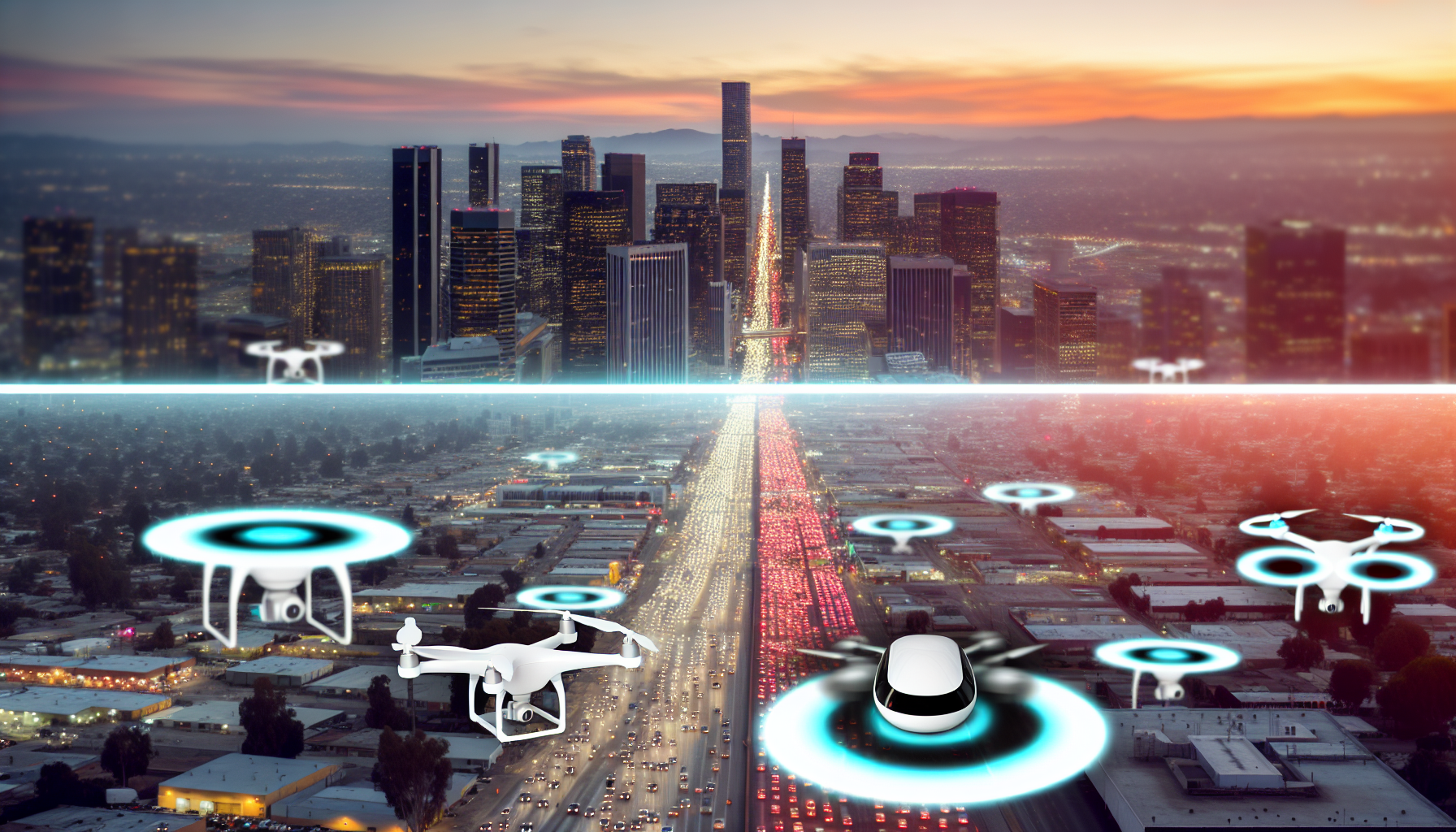
AI-Controlled Drones: The Future of Traffic Monitoring
The world of transportation is undergoing a significant transformation as artificial intelligence (AI) shapes the way we manage traffic. The advent of AI-controlled drones promises to revolutionize how authorities monitor roadways, potentially eradicating bottleneck traffic jams and enhancing overall road safety. These drones are being deployed not just for surveillance but to assist law enforcement in enforcing traffic laws and responding to incidents swiftly.
AI Technology’s Role in Traffic Management
Traditionally, the integration of AI in traffic management focused on systems like red-light cameras and automated speed enforcement. Cities such as New York have been pioneers in this area, boasting the largest network of automated camera technology with over 2,000 units installed. These cameras serve as silent sentinels, capturing speeding offenses without the constant presence of law enforcement officers.
The impact of automated cameras has been profound, particularly in high-risk areas like school zones. The objective is clear: enforce traffic laws to encourage safe driving behavior. New York’s network has shown that increased surveillance can lead to significant reductions in speeding incidents.
In recent months, other cities are beginning to adopt similar strategies. Minneapolis, for instance, launched its Traffic Safety Camera Pilot Program, which began with five locations and is set to expand to over forty. Thanks to these initiatives, first-time offenders receive warnings, while repeat violators face fines, fostering a culture of accountability among drivers.
Enter the Drones: Monitoring Made Easy
The next step in this evolution comes from companies like Elistair, which has introduced AI-controlled drones specifically designed for traffic monitoring. These drones are equipped with cameras and sensors capable of capturing extensive data about traffic flow.
The real advantage of UAVs (unmanned aerial vehicles) lies in their efficiency. They can cover large areas in a short time, providing real-time insights into road conditions. By identifying accidents and incidents quickly, these drones can help reduce the duration of traffic jams, allowing authorities to respond faster and more effectively.
As highlighted on Elistair’s website, these UAVs can “transform traffic monitoring and management.” They are not restricted to mere observation; they also assist in crowd management efforts, analyzing movement patterns and traffic density to provide valuable insights to city planners.
Enhancing Urban Planning Through Data
Beyond immediate monitoring, AI-controlled drones offer a wealth of data that can be instrumental in urban planning. Insights gained from drone surveillance can influence future infrastructure developments, ensuring roads can accommodate both vehicle and pedestrian traffic efficiently.
This data-driven approach allows city planners to foresee potential traffic issues and adapt roadway designs proactively. For instance, understanding traffic patterns can help identify where additional lanes, traffic signals, or pedestrian crossings are necessary to enhance safety and flow.
A Safer Environment for All Road Users
The ultimate goal of leveraging these advanced technologies is to create safer roads for everyone. It’s a complex interplay that involves not just enforcing traffic laws but also understanding the nuanced behaviors of road users and responding to them with adaptive infrastructure.
While tougher penalties for repeat offenders serve to instill seriousness about traffic laws, they are complemented by a proactive approach in urban planning. Implementing harsher penalties includes not just fines but measures like jail time for serious infractions, underscoring the need for a zero-tolerance stance on reckless driving.
This balance of enforcement and adaptation paves the way for a more respectful road culture, where drivers think twice before violating traffic laws, knowing the risks involved. By harnessing AI technology—whether through automated cameras, drones, or data analysis—authorities can work towards safer, more efficient roadways, ensuring that every user has a better experience.