


U.S. Army Sets Ambitious Course for Drone Production
A Significant Shift in Strategy
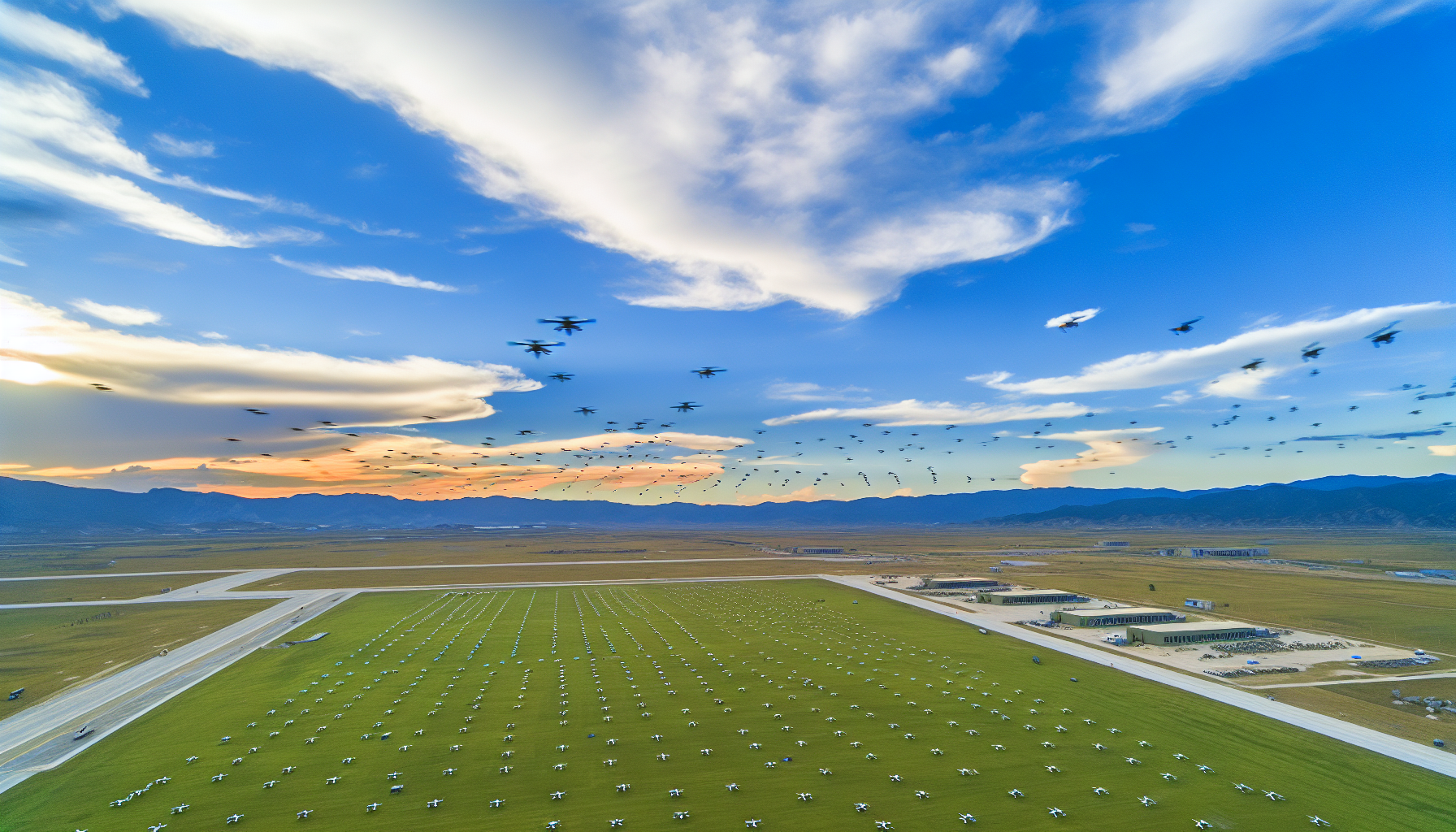
The U.S. Army is charting a bold new direction in its approach to drone technology, planning to ramp up partnerships with private industries while concurrently enhancing its own manufacturing capabilities. As revealed by an Army spokesperson, the goal is to field at least one million drones within the next two to three years. This significant initiative marks a transformative step towards integrating advanced technology into the military framework.
The Vision Behind SkyFoundry
At the heart of this ambitious plan is a new pilot program called SkyFoundry. Introduced by U.S. Army Secretary Dan Driscoll during a visit to Picatinny Arsenal, the program seeks to forge crucial partnerships with the private sector. The idea is not merely to produce drones but to revitalize the American industrial base, ensuring that drone technology is accessible and can meet the dynamic needs of modern warfare.
An Army spokesperson stated, “SkyFoundry is the Army’s concept for a public-private partnership to help reinvigorate the American industrial base.” This initiative aims to stimulate the U.S. drone industry, create job opportunities, and bolster the manufacturing sector through increased access to rare earth materials—essential components in drone production.
Making Drones Accessible
Driscoll emphasized that the Army’s intentions are not to overshadow private industry but rather to make drone technology more widely accessible among service members. As drones are expected to dominate future battlefields, ensuring that all soldiers are equipped and skilled in drone operations will be paramount.
The Army spokesperson further elaborated on this strategy, specifying that drones will vary in design and purpose. “Some drones will be expendable, akin to munitions, while others are built for durability but not designed for an extensive lifespan.” This insight points to a significant evolution in military tactics, pushing for an environment where all military personnel are proficient in both deploying drones and responding to them in a combat scenario.
Legislative Support: The SkyFoundry Act
Supporting this initiative is the SkyFoundry Act, introduced by Congressman Pat Harrigan of North Carolina on September 4, just ahead of a government shutdown. In his statement, Harrigan underscored the urgency of the situation, noting, “More than 80% of casualties in modern war now come from drones, yet we still have no capacity to build them at scale. That failure is reckless and leaves our troops exposed.”
The act aims to establish a robust framework for designing, testing, and manufacturing a million drones annually in the United States. Harrigan’s emphasis on reducing reliance on foreign supply chains, particularly China, highlights a growing trend of prioritizing domestic capabilities.
The Implications of Enhanced Drone Production
As the Army pushes forward with this initiative, the implications are vast. By building drones at scale, the Army aims to equip its troops with the necessary resources to ensure operational superiority. The emphasis on producing “low-cost components” also indicates a focus on affordability, offering a tactical edge without straining the budget.
With military conflicts increasingly relying on technology-driven solutions, the ability to produce advanced drones domestically ensures that the U.S. maintains a competitive edge. Harrigan articulated this sentiment, asserting that the bill “arms our troops with what they need to dominate and makes clear we will never again let our enemies outproduce us in the weapons that decide wars.”
Aiming for the Future
In conclusion, the U.S. Army’s commitment to developing a significant drone manufacturing capacity through the SkyFoundry initiative signifies a critical pivot in military strategy. By leveraging public-private partnerships and emphasizing domestic manufacturing, the Army underscores its recognition of drones as a cornerstone of future warfare. This proactive stance not only enhances the safety and effectiveness of U.S. troops but also redefines the industrial landscape, driving innovation and growth within the American drone industry.
With these plans in motion, the coming years are poised to witness a technological transformation that could reshape the very nature of military engagement.