


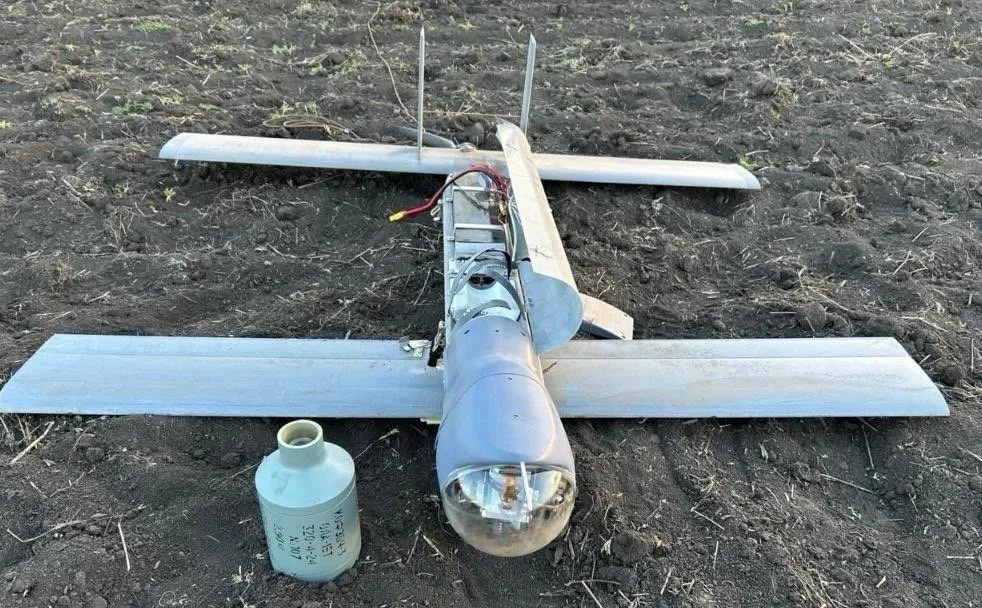
The Rising Threat of Autonomous Drones in Modern Warfare
The landscape of warfare is shifting dramatically with the rise of autonomous drones, particularly regarding their use as weapons by terrorist organizations. As these technologies proliferate, they promise to make acts of terror far more accessible, lethal, and difficult to trace. This transformation poses significant challenges for nations like Australia, which face the urgent necessity to adapt their defense strategies.
Technological Advancements in Drone Capabilities
Commercial drones have evolved rapidly, incorporating sophisticated technologies like automated satellite-navigation targeting and swarming capabilities. This evolution allows terrorist groups to bypass traditional constraints that have historically limited their operations. For instance, the recent deployment of mass drone swarms by Ukraine has showcased just how destructive these weaponized drones can be. The Ukrainian military has effectively utilized terminal-guidance autonomy to maintain targeting accuracy despite disruptions in communication, showcasing a new level of operational independence.
Terrorist Adoption of Drone Technology
The global landscape reveals a concerning trend: groups such as the Islamic State and Hezbollah are actively exploring and adopting drone technology. Reports detail that during the Battle of Mosul, the Islamic State effectively used drones, leading to temporary tactical losses for the United States. Historically, these attacks have predominantly involved single drones due to the complexities of coordinated multi-pilot operations. However, the advent of autonomous technology changes this equation.
Autonomy as a Game-Changer
With automation in play, actors can now deploy numerous drones directed by a single operator via waypoint satellite navigation. This strategy reduces the logistical hurdles that have hindered coordinated attacks in the past. Terrorist groups are now capable of launching swarms of drones, significantly amplifying their impact. Emerging technologies, including vision-based autonomy, may enable drones to identify and strike targets without human intervention, further escalating the potential threat.
Potential Destructive Forces
The implications of drone swarming are staggering. A coordinated assault involving just 30 small drones, each outfitted with explosives, could yield destruction comparable to that of a car bomb. Lightweight drones can easily be repurposed to disperse chemical or biological agents, which poses a grave risk if such materials are accessible. The low cost and compact nature of these drones make them easy to store and transport, allowing them to be launched from inconspicuous locations.
Regulatory Challenges and Implications
While Australia maintains strict controls over explosives and hazardous materials, concerns remain regarding potential drone-based attacks. Though acquiring military-grade explosives might be challenging for terrorist groups, the possibility of deploying improvised payloads—like chemicals or fuel—can still cause significant disruption and panic. Even non-lethal incidents involving drones can wreak havoc, as seen in the 2018 Gatwick Airport disruption, which grounded flights for two days.
Coordinated Attacks and Psychological Impact
The potential for simultaneous drone strikes across various locations poses a daunting challenge for emergency responders. Such an orchestrated effort can overwhelm resources and heighten public fear—two fundamental goals of terrorist operations. The psychological impact of mass drone deployments could amplify perceived power and influence, thereby undermining public trust in authorities.
Reduced Human Oversight and Risk
Autonomous drones reduce the human friction that often complicates terrorist operations. Without the need for coordination among conspirators, the risks associated with human involvement—such as capture, communication failures, or loss of nerve—are significantly minimized. Machines operate without hesitation, allowing for more precise and determined execution of attacks.
The Urgent Need for Regulatory Action
Countries worldwide, including Australia, must quickly adapt drone governance to the evolving threat landscape. Implementing regulations for point-of-sale hardware traceability and licensing can deter malicious actors and maintain accountability. Additionally, counter-drone technologies, like high-power microwave systems, are being explored as potential solutions to neutralize these threats. However, the deployment of such systems requires careful consideration, especially in urban environments.
Conclusion: The Evolving Landscape of Drone Warfare
As we witness drones transition from recreational tools to potential precision weapons in the hands of terrorists, proactive measures must be taken to ensure safety and security. The conversation around drone governance must evolve with the technology, acknowledging the multi-faceted challenges that lie ahead.