


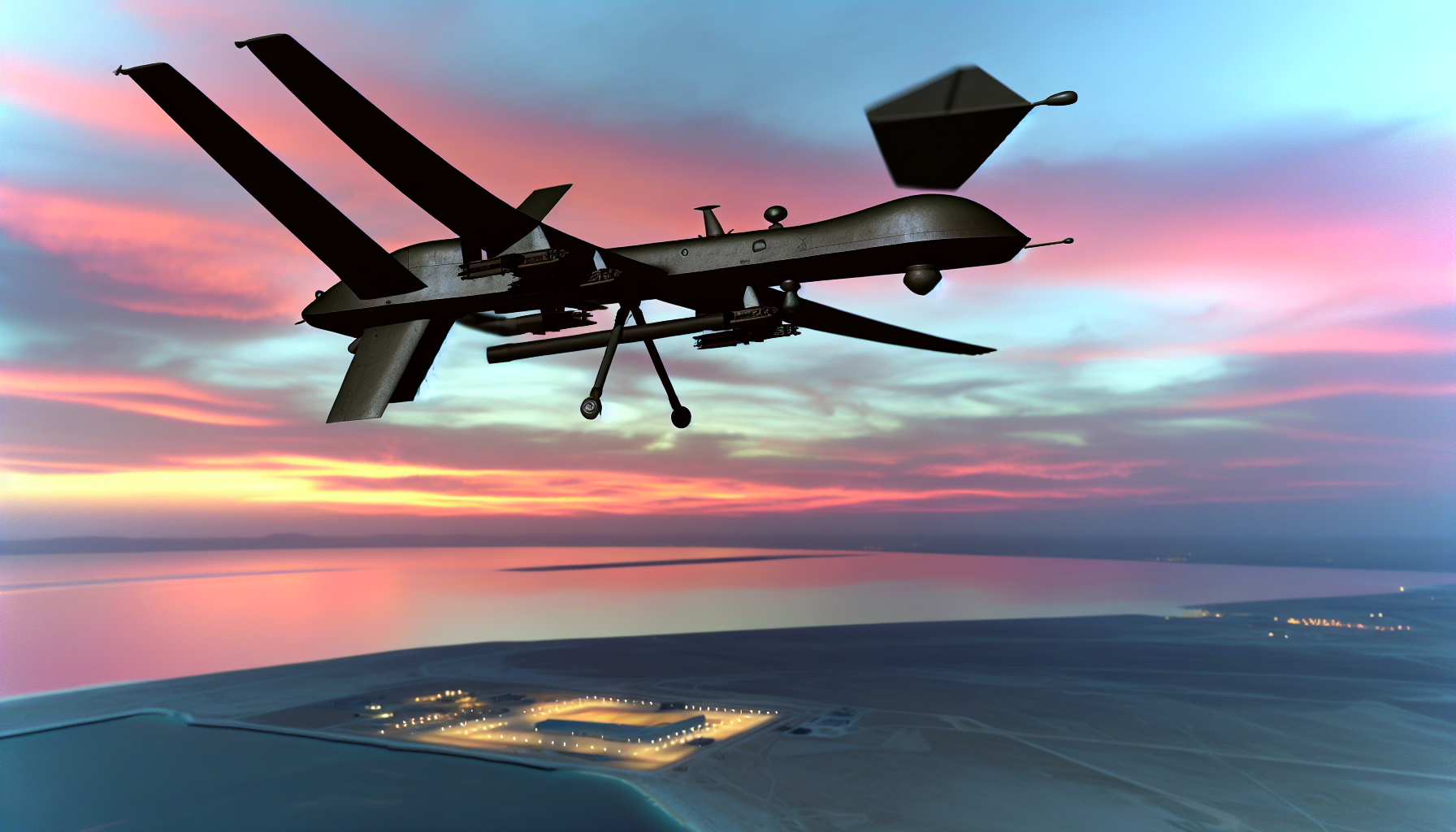
Exploring China’s Feilong-300D: A Game-Changer in Low-Cost Military Drones
A recent report from Ordnance Industry Science Technology sheds light on an emerging player in the world of military drones: China’s Feilong-300D. First showcased at the Zhuhai Air Show last year, this drone is gaining attention not just for its capabilities but also for its strikingly low projected unit cost of around $10,000. This financial approach signifies a larger strategic intention from Beijing: to make advanced drone technology accessible for mass deployment across various military contexts.
Technical Insights and Design Features
While specific technical specifications of the Feilong-300D remain largely undisclosed, it is evident that this drone has been designed with dual roles in mind: striking armored targets and conducting vital surveillance and reconnaissance missions. This versatility is crucial, especially as nations around the globe increasingly face escalating regional security threats. The Feilong-300D aligns with the demand for affordable, yet effective, defensive capabilities that can be rapidly deployed.
A notable characteristic of the Feilong-300D is its delta-wing design. This provides greater aerodynamic efficiency, allowing the drone to cover more distance on less fuel. Powered by a piston engine that runs on standard fuel, the drone’s straightforward construction is emphasized, promoting reliability and low operational costs — a significant selling point for many potential buyers.
Tactical Applications in Conflict Zones
According to the report, the Feilong-300D is specifically engineered for operations in border regions. Its primary mission set includes reconnaissance, surveillance, and strike capabilities, positioning it as a deterrent against adversaries in these contested spaces. The ability to deliver real-time information and execute rapid responses gives operators a tactical edge, reinforcing their control in critical areas.
In a simulated mission, the Feilong-300D demonstrated its operational effectiveness. It reportedly flew 621 miles, successfully evading enemy air defenses and striking a mock military base. Such exercises underline not just the drone’s operational capacity but also its potential to integrate effectively with other elements of military strategy, such as fighter jets and ground-based missile systems, through its modular warhead options.
Market Prospects and International Buyers
Who stands to benefit from the introduction of the Feilong-300D? The report indicates that Pakistan may emerge as one of the first potential customers. Given the recent military tensions between India and Pakistan, where Chinese-made armaments have already made significant impacts, Islamabad’s interest in the Feilong-300D aligns seamlessly with its ongoing arms modernization efforts.
Furthermore, the Feilong-300D’s affordability presents a compelling option for smaller nations looking to establish their own unmanned combat fleets. In the context of modern warfare, this drone is poised to play a pivotal role in how conflicts are conducted moving forward. The implications of this development could reshape power dynamics in regions where these countries operate.
The Shift in Modern Warfare Paradigm
Loitering munitions—often labeled as suicide drones—are rapidly transforming contemporary warfare tactics. The Feilong-300D joins a growing list of such weapons that have gained notoriety in recent conflicts, notable examples being the Iranian-made Shahed 136 and its usage by Russia under various designations. These drones have showcased their effectiveness in real-world scenarios, signaling a broader shift toward the integration of unmanned systems into military operations.
China’s Strategic Drone Development
Despite the global concerns surrounding drone warfare, China has been accelerating its development of drone-based weapon systems. This effort is part of a comprehensive strategy to modernize the People’s Liberation Army (PLA) and equip it for future high-tech warfare scenarios. Recent displays of China’s latest unmanned aircraft during the Victory Day military parade serve as a testament to the nation’s commitment to enhancing its defense capabilities.
Across the Taiwan Strait, Taipei is not standing idle. The island is actively pursuing its own drone programs, focusing on the development of suicide drones intended for asymmetric warfare. This escalating arms race illustrates the transformative influence that drone technology is exerting in the region, escalating military preparedness on both sides of the Strait.
Conclusion: The Evolving Landscape of Military Drones
As the Feilong-300D begins to carve its niche within the broader landscape of military technology, its implications extend far beyond functionality. With nations vying for technological superiority, the evolution of low-cost drones like the Feilong-300D will undoubtedly influence future military strategies and balance of power in contested regions. The age of affordable advanced warfare solutions has indeed arrived, poised to redefine the very nature of conflict in the 21st century.