


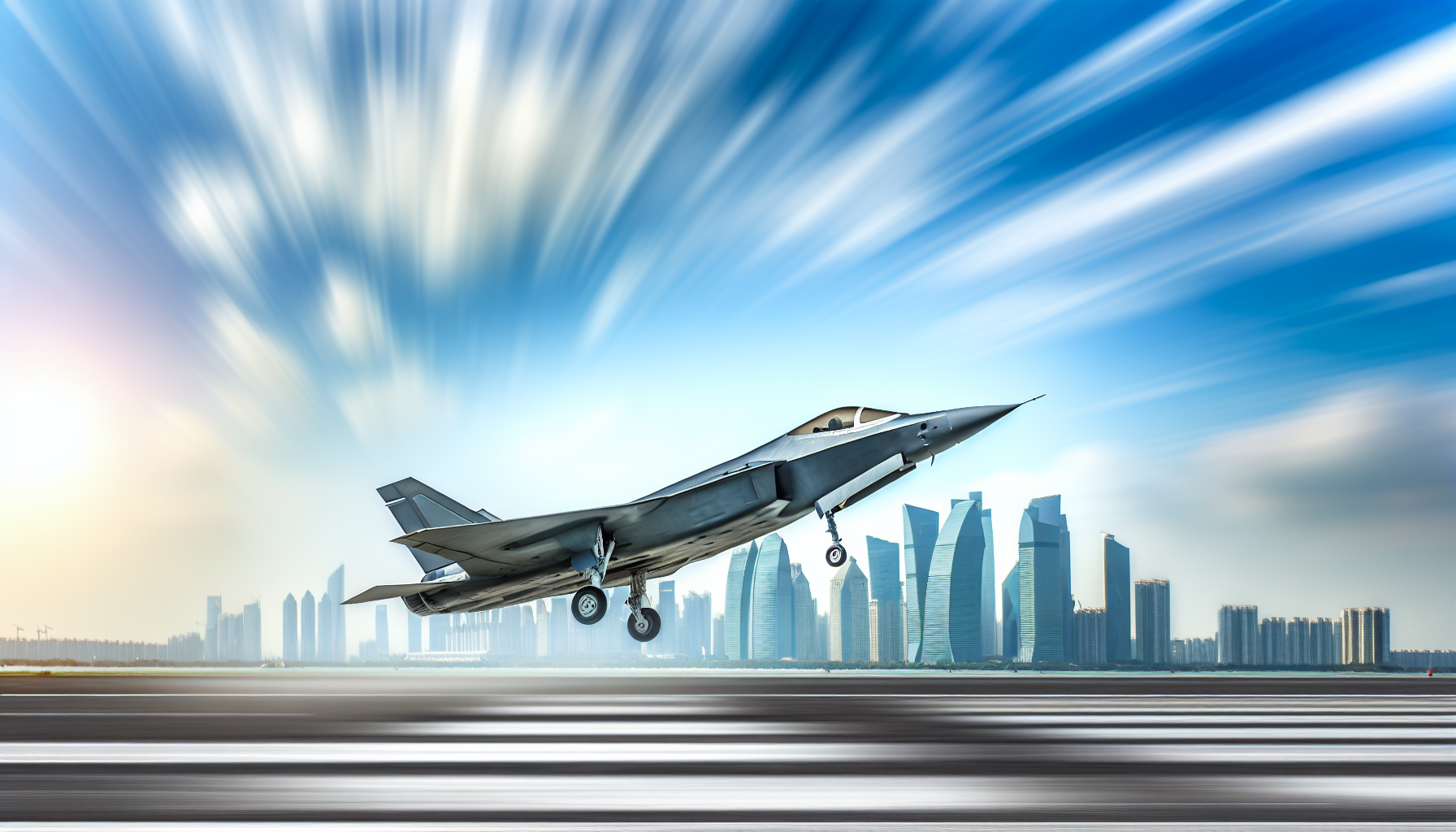
China’s military aerospace sector is clearly in a period of rapid growth and innovation. As it continues to roll out new combat aircraft designs, both crewed and uncrewed, it’s also lining up new exports of at least three of its in-production fighters. This insight emerges from the unclassified version of an annual Pentagon report to Congress on China’s military, released yesterday.
The latest Pentagon assessment regarding military and security developments in China doesn’t introduce much new information about individual aircraft programs within the People’s Liberation Army (PLA).
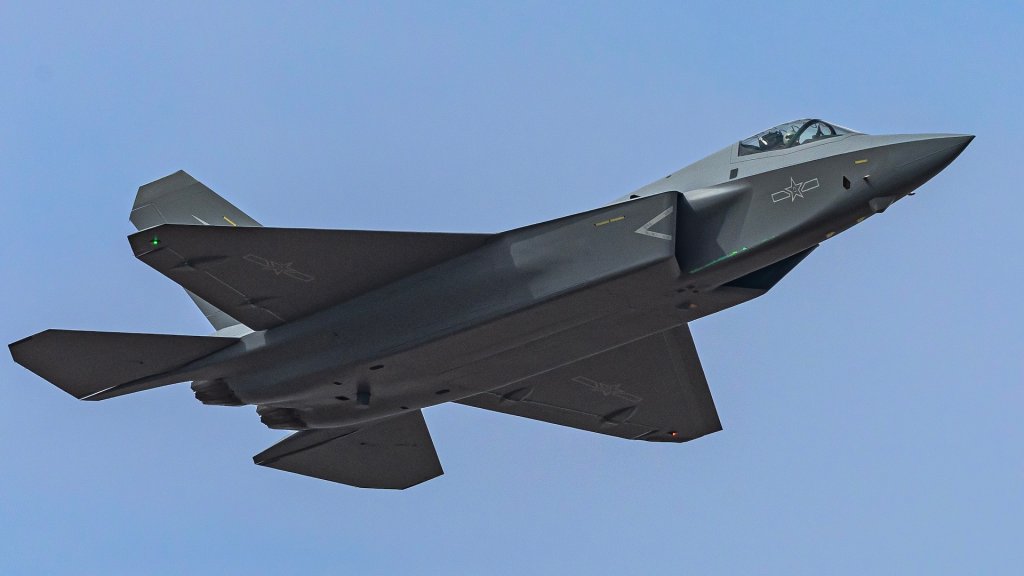
However, the report does highlight the recent debut of “two stealth aircraft with novel tailless design features,” referred to informally as the J-36 and the J-XDS. Other notable entries include the land-based J-35A fifth-generation combat aircraft and the J-15D carrier-borne electronic warfare aircraft. Notably, the report mentions a new airborne early warning and control aircraft based on the Y-20B transport intended to identify and track advanced stealth aircraft.
One of the report’s most significant assertions is China’s ambition to produce six aircraft carriers by 2035, which would total nine, considering China’s third carrier, the Fujian, commenced its inaugural sea trials in May. Recent images suggest that work on a new carrier, likely nuclear-powered, is progressing. There are also indications that Beijing may be planning a new conventionally powered carrier.
The Pentagon report addresses China’s export ambitions, identifying the fifth-generation Shenyang FC-31 (the export variant of the J-35), the fourth-generation Chengdu J-10C, and the JF-17, which the report describes as a light combat aircraft. Notably, the JF-17, co-produced with Pakistan, is not deployed by the PLA.
As of May 2025, the report states the FC-31 has yet to secure any sales, although “interested clients” include Egypt, Saudi Arabia, and the United Arab Emirates (UAE).
The FC-31 prototype first flew in 2012, with a refined version in 2016. Current developmental focus has shifted toward the J-35 variant aimed at carrier-based service with the PLA Navy. The J-35A, a land-based variant, emerged publicly last year but its long-term military role remains unspecified.
Surprisingly, the Pentagon doesn’t connect Pakistan with a potential FC-31 order, despite previous indications of interest from Islamabad for a land-based version of the jet.
Pakistan is interested in buying FC-31. The details are subject to further negotiations, but it’s unlikely we’ll sell the AF version of the J-35 (more developed form of FC-31). It’s more likely a bespoke version of FC-31 for Pakistan 1/2 pic.twitter.com/X4PdRNSpAy
— Zhao DaShuai 东北进修
(@zhao_dashuai) January 3, 2024
Egypt, Saudi Arabia, and the UAE are all considering new fighter aircraft. Egypt notably once planned to acquire 24 Su-35s from Russia, but the threat of U.S. sanctions halted the deal, leading those aircraft to possibly end up in Algeria instead.

In Saudi Arabia, the FC-31 would compete against a slew of options, including potential acquisitions of Eurofighter Typhoons and Dassault Rafale fighters, alongside talks of F-15EX Eagle II offers from Boeing.
The F-35, previously barred from sale to Arab states to maintain a balance with Israel, might soon be reconsidered for Saudi Arabia and the UAE, directly competing with the FC-31.
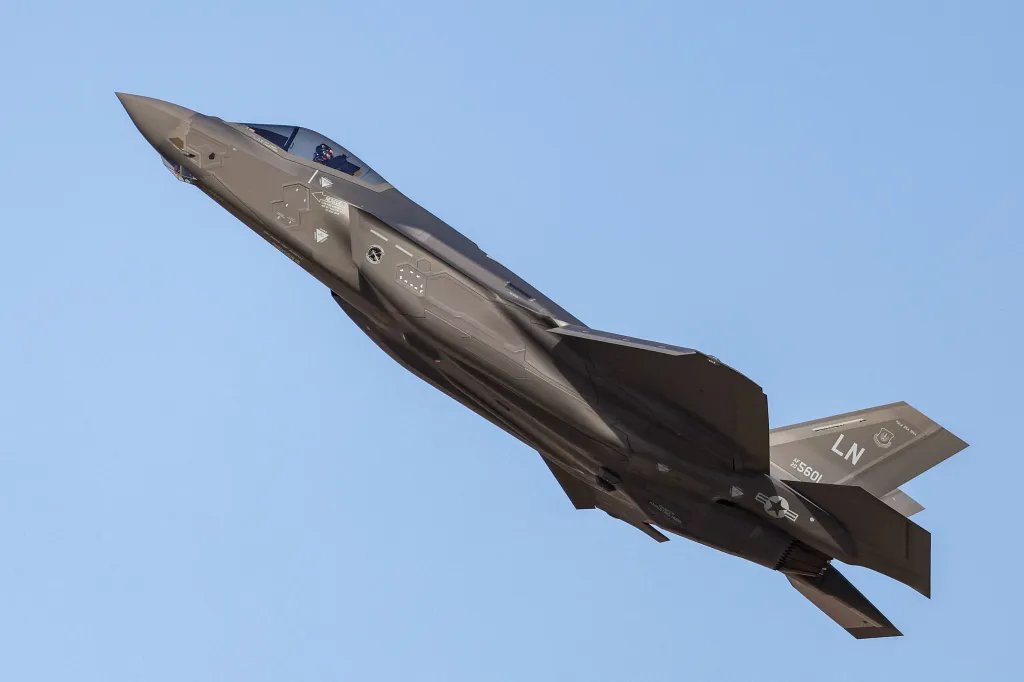
The planned arms package for the UAE, once valued at up to $23.37 billion, included 50 F-35As. However, this intention remains uncertain due to various geopolitical implications.
The J-10C’s export history mentions that only 20 units were delivered to Pakistan, as part of an earlier 36-jet order. Since entering service, it has contributed to combat operations, particularly seen in recent India-Pakistan conflicts that showcased its effectiveness.

Besides Pakistan, nations like Egypt, Uzbekistan, Indonesia, Iran, and Bangladesh have expressed interest in acquiring J-10Cs. Notably, Iran’s aged air force may consider J-10C acquisitions to modernize its combat capabilities further.
Meanwhile, the JF-17 continues to perform well in the export market, recording sales to Azerbaijan, Burma, Nigeria, and Pakistan, with potential negotiations in place for Iraq.
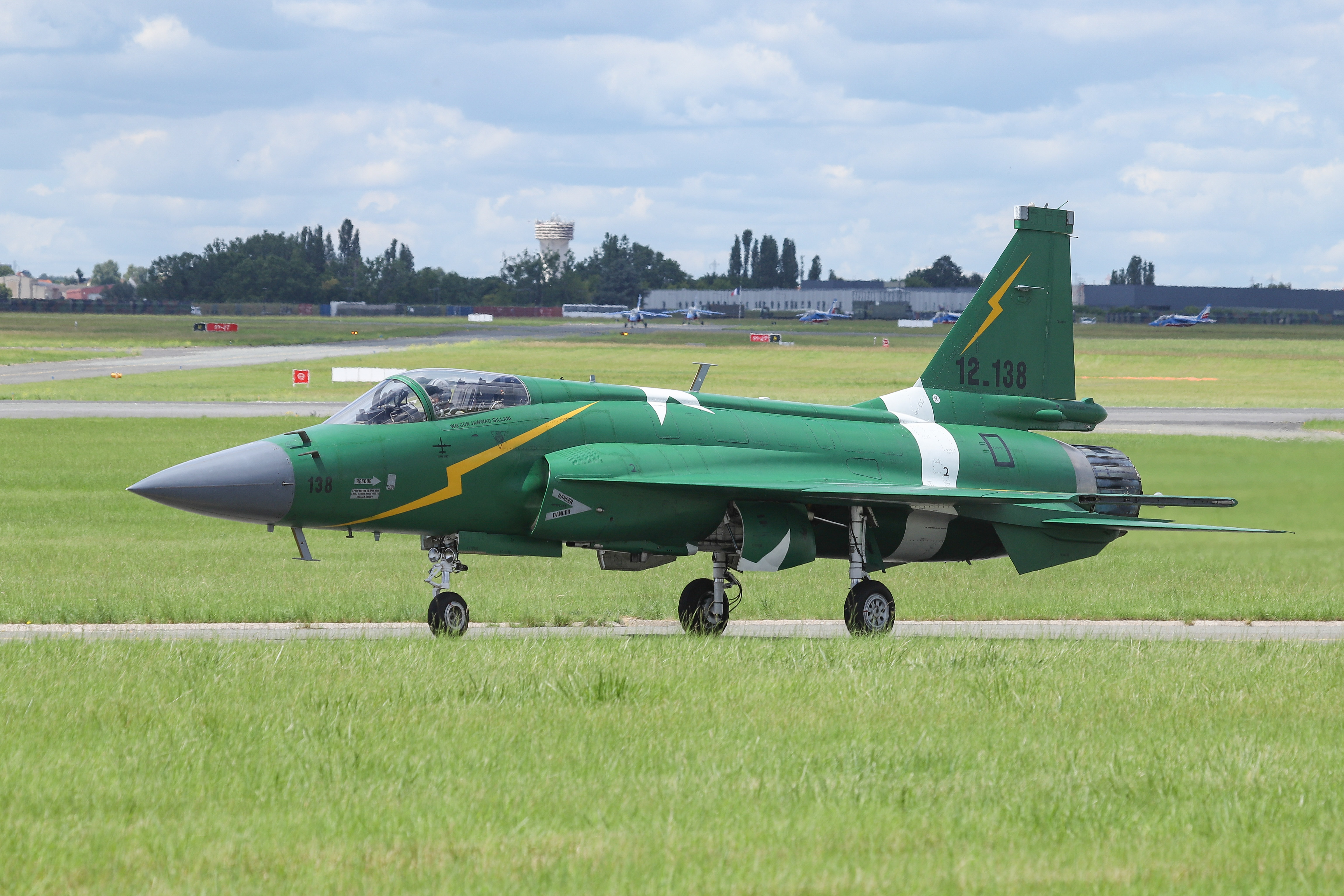
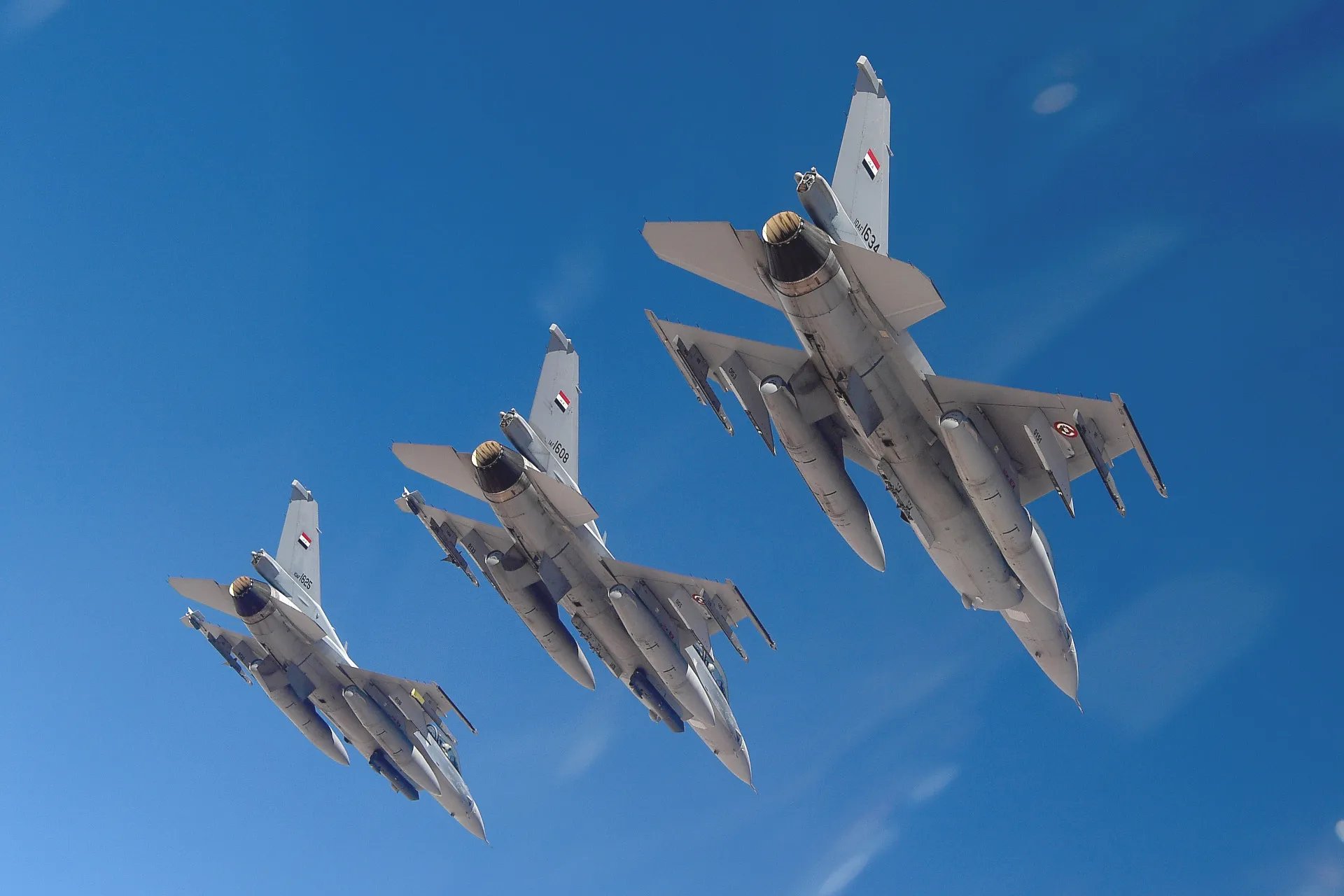
Iraq’s potential interest in the JF-17 raises questions, as its current F-16 fleet has proven vital in operations against ISIS. However, Iraq may be looking at the JF-17 as a cost-effective means to bolster its air power.
Overall, the Pentagon’s assessments of China’s fighter jets and their potential export market remain intriguing, reflecting China’s rise as the fourth-largest arms supplier globally. With a diverse range of aircraft catering to various operational needs, China is positioning itself effectively against Western competitors.
Furthermore, China’s advances in drone technology complement its crewed fighters, enhancing operational capabilities and expanding its reach in the global marketplace. By developing competitive and affordable aircraft, China is poised to meet the demands of countries seeking modern military hardware.
Especially noteworthy is China’s strategic positioning in offering financing options and trading arrangements through the Belt and Road Initiative, which can augment its military export capabilities, making them attractive to various governments.
As the dynamics of military procurement evolve, the global implications of China’s rising status in military exports cater to a changing landscape where emerging economies may find reassurance in Chinese offerings, especially as they might come with fewer restrictions compared to Western arms.