


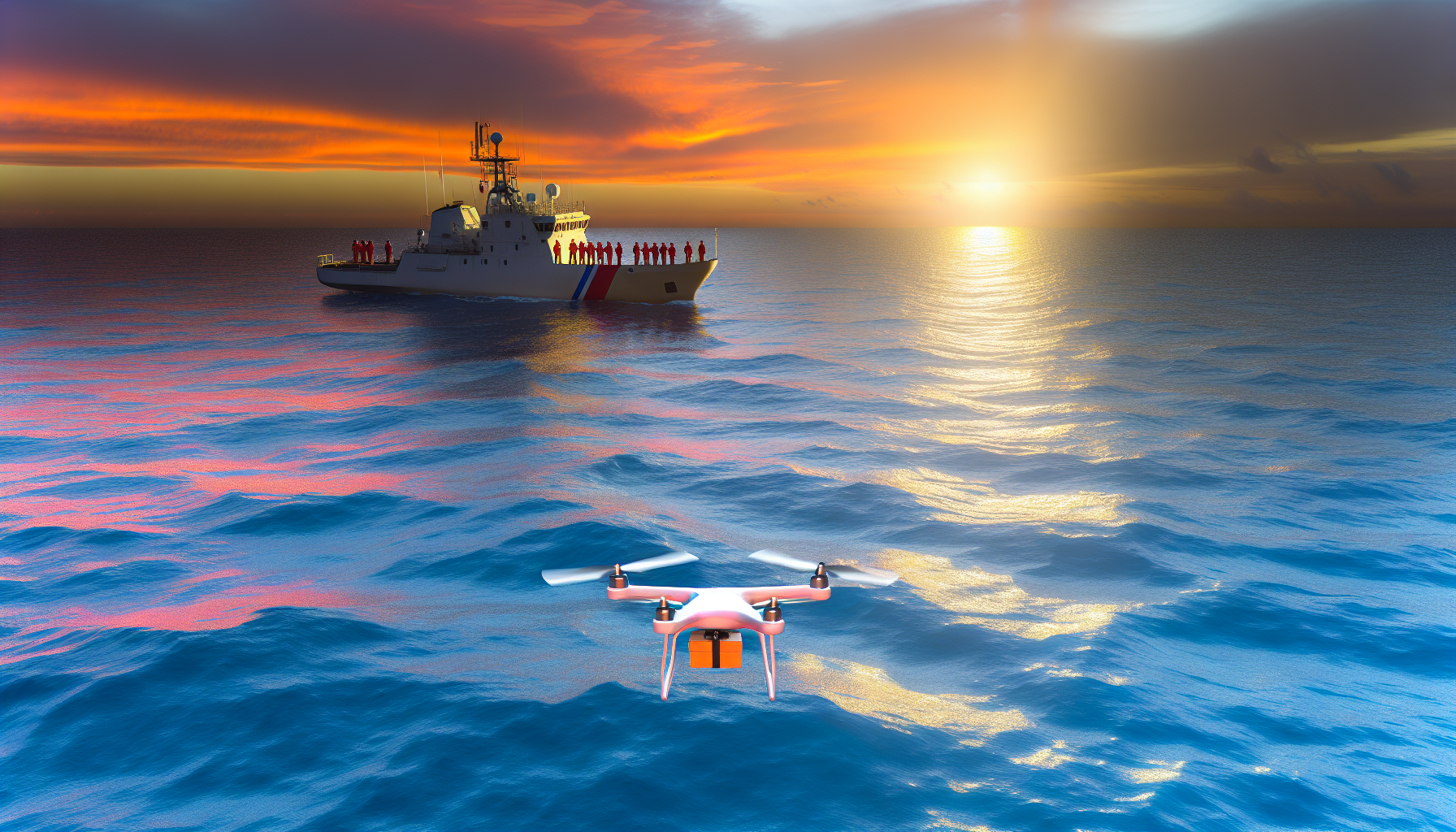
U.S. Coast Guard Embraces the Future with Drone Technology
In a landmark announcement last week, the U.S. Coast Guard unveiled its commitment to integrating advanced technology into its operations with significant investments in drones and the creation of a new job dedicated to maintaining and operating these unmanned systems. This move signals a pivotal shift as the Coast Guard looks to enhance its capabilities in various missions, including disaster response and environmental protection.
Introducing the Robotics Mission Specialist
At the heart of this technological advancement is the newly established position of Robotics Mission Specialist. This role will focus on the operation, maintenance, and integration of unmanned and autonomous technology within Coast Guard missions. As the demand for such technology grows, this specialist will ensure that the Coast Guard stays at the forefront of innovation in maritime safety and security.
A Glimpse into the Future: Drones and Autonomous Vehicles
Accompanying the announcement was a promotional video that showcased an impressive array of unmanned systems. Among the highlights was a remote-controlled boat capable of transporting up to 12 individuals, emphasizing the service’s commitment to advancing maritime transport capabilities. Additionally, aerial and underwater drones designed for infrastructure inspections and disaster response were prominently featured, underscoring their versatility and importance in modern operations.
Significant Financial Investments
In a further demonstration of its dedication, Coast Guard officials revealed plans to allocate a substantial $350 million from a comprehensive spending bill towards unmanned and autonomous systems. Of this amount, $11 million is earmarked for acquiring new aircraft and ground drones over the upcoming year. Moreover, the Coast Guard plans to enhance its underwater operations by introducing 16 new remotely-operated vehicles to replace aging counterparts in its fleet.
Enhancing Operational Efficiency
The investments extend to various specialized units as well. The Coast Guard intends to deploy six package utility robots and twelve smaller variants to strike teams focused on handling environmental and hazardous material incidents. To bolster aerial capabilities, 126 short-range aerial drones are also set to be acquired, facilitating a broader range of operational reach and effectiveness.
A Legacy of Innovation
It’s worth noting that the Coast Guard’s foray into unmanned vehicles isn’t a novel concept. The service first utilized such technology in 2004 when Maritime Safety and Security Teams employed unmanned systems for underwater port security. Recently, a strategic plan unveiled in 2023 has sharpened the branch’s focus on expanding and modernizing its unmanned programs, paving the way for the present-day enhancements.
A Modern Job Creation
The introduction of the Robotics Mission Specialist position marks the second new job field created by the Coast Guard in recent years. The first was the Cyber Mission Specialist position, introduced in 2023, focusing on cybersecurity. As technology continues to evolve, the Coast Guard is keen to adapt, ensuring that personnel are adequately trained and prepared for emerging challenges.
This strategic investment in drone technology and the establishment of a dedicated role highlight the Coast Guard’s forward-thinking approach in adapting to contemporary technological landscapes. The next few years will undoubtedly reveal the profound impact these developments will have on maritime safety, security, and response capabilities. For ongoing updates on this topic, be sure to visit WOODTV.com.