


The Ethical Dilemma of AI-Powered Military Drones
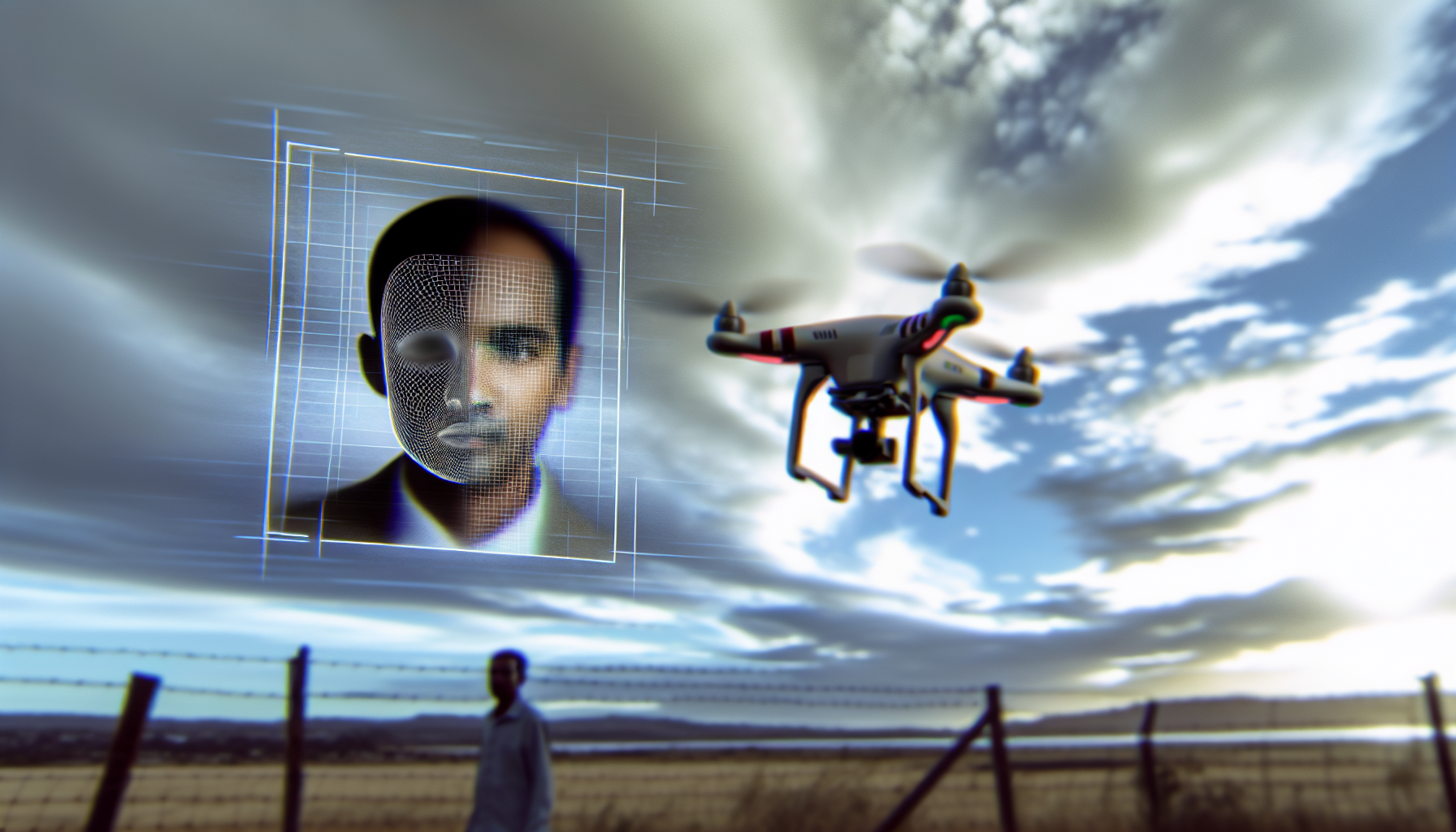
Artificially intelligent military drones equipped with facial recognition technology are being developed by the U.S. Department of Defense (DoD) through an $800,000 contract with Seattle-based RealNetworks. This groundbreaking initiative aims to create autonomous drones capable of identifying targets without human input, raising significant ethical concerns among experts and the public alike.
The Technology Behind the Drones
The purpose behind these advanced drones is to enhance the capabilities of special operations forces abroad, primarily for intelligence gathering and targeting operations. By utilizing machine learning algorithms, these drones can analyze facial patterns in real-time, potentially allowing for rapid identification of individuals deemed as threats. This development marks a significant leap in the integration of AI into military operations.
Historical Context of Tracking Individuals
The practice of tracking individuals suspected of being a threat is not novel; however, the inclusion of AI-driven facial recognition technology represents an evolution in this process. Countries like China and the United Arab Emirates have already employed similar technologies, while other nations such as Libya are also exploring the use of drones for facial recognition capabilities. The increasing sophistication of these tools raises alarm bells regarding privacy and civil liberties.
Ethical Implications and Concerns
As Nicholas Davis, an industry professor, points out, the deployment of such technology carries “innumerable ethical implications.” Issues arise not only regarding individual rights but also about how these technologies might shift power dynamics within societies and conflict zones. The potential for misuse, particularly in authoritarian regimes, cannot be understated, prompting rigorous discussions about accountability and oversight.
Preemptive Targeting and Its Dangers
Mike Ryder, a researcher in AI and ethics, emphasizes a critical concern: the decision-making process that identifies targets as “persons of note.” The question remains—what criteria are used to designate someone as a threat? Ryder asserts that the ethical dilemma lies in preemptive strikes against individuals who may not have committed any offenses. This raises profound moral questions about justice and due process.
Flaws in Facial Recognition Technology
It’s essential to examine the technology itself. Edward Santow highlights that facial recognition technology remains experimental and can yield inaccurate results, particularly in varying environmental conditions like poor lighting—common in conflict situations. There is a high risk that the technology could misidentify individuals, leading to wrongful targeting and fatalities.
The Impact of Bias in AI
Moreover, biases embedded within facial recognition algorithms pose significant challenges. Toby Walsh from the University of New South Wales stresses that these technologies often perform poorly on individuals who are not white. While a faulty facial recognition system might be an inconvenience in everyday scenarios, incorrect identifications made in a military context lead to lethal consequences.
The Role of Autonomy in Decision-Making
The automation of life-and-death decisions raises another layer of ethical concerns. As Lily Hamourtziadou argues, relying on machines to make ethical decisions regarding human lives is deeply troubling. The detachment provided by remote-controlled drones transcends traditional combat, morphing warfare into a virtual experience devoid of direct human accountability.
The Complexity of Warfare and Civilian Casualties
Despite the ethical pitfalls, proponents argue that this technology might reduce civilian casualties by allowing for precision targeting. Hamourtziadou suggests that unmanned systems can potentially save lives on both sides of a conflict, creating a more “humanitarian” approach to warfare by minimizing total war scenarios.
Superior Operational Capabilities
The advantages of using drones are not diminished in the discussion surrounding ethics. Unmanned systems can remain airborne far longer than their human-operated counterparts, providing constant surveillance without the physical limitations imposed by human needs such as food and sleep.
Broader Concerns About Surveillance
Beyond military applications, the implications of facial recognition technology extend into civilian life, with concerns about privacy and surveillance expanding. Ryder warns that the use of facial recognition by corporations like Google and Facebook could lead to invasive tracking of individuals’ activities, raising questions about personal autonomy and data privacy.
The Changing Landscape of Technology
As AI and facial recognition technologies continue to intertwine with everyday life, it’s critical to remain vigilant about how these advancements impact ethical norms and societal structures. The ongoing discourse surrounding military applications acts as a microcosm for broader debates about technology’s role in society, accountability, and the preservation of human rights.
Ongoing Discussions and Future Considerations
As this technology evolves, the implications might become more complex, necessitating constant dialogue among ethicists, policymakers, and technologists to ensure that the deployment of such powerful tools aligns with societal values and respect for individual rights. The global community faces a pivotal moment in determining the role of AI in warfare and surveillance, steering towards a future that balances efficiency with ethical considerations.