

Understanding Political Activity Rules for Department of Defense Personnel
As we enter another election season, the spotlight turns to the realm of political campaigning, with federal, state, and local campaigns intensifying. A critical aspect of this environment is the ethical framework governing the political activities of Department of Defense (DOD) personnel. Recently, Defense Secretary Dr. Mark T. Esper has outlined these rules in a new ethics video, emphasizing the significance of adhering to political activity guidelines for both service members and civilian employees.
DOD’s Stance on Political Participation
In the DOD Public Affairs Guidance for Political Campaigns and Elections memorandum, issued on February 11, 2020, spokesman Jonathan Rath Hoffman clearly articulated the groundwork for political engagement among DOD personnel. He noted, “The Department of Defense has a longstanding and well-defined policy regarding political campaigns and elections to avoid the perception of DOD sponsorship, approval or endorsement of any political candidate, campaign or cause.” This policy highlights the importance of maintaining neutrality while supporting the civic duty of voting.
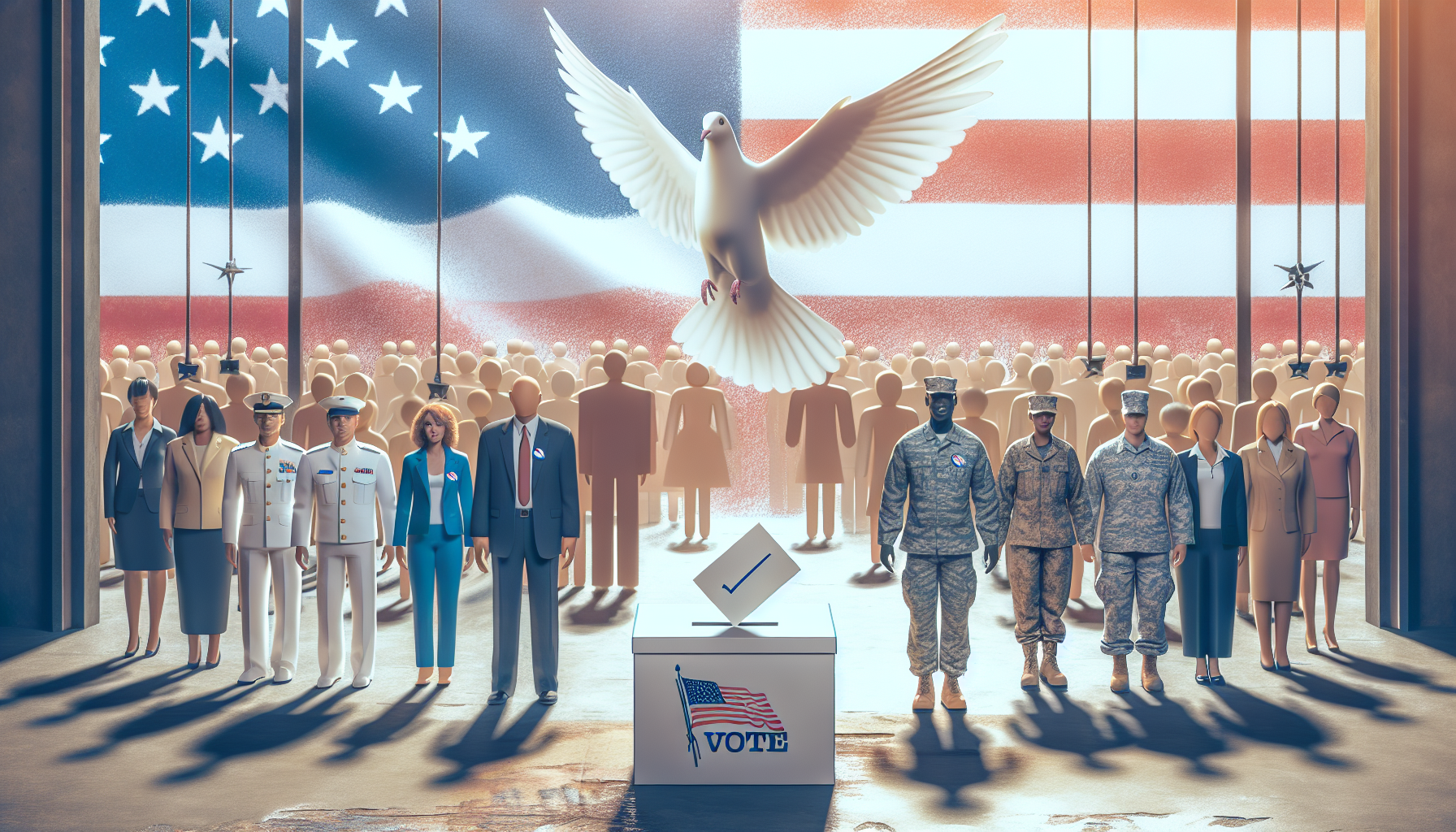
Hoffman made it unequivocally clear that while the department encourages its personnel to fulfill their voting obligations, active-duty service members are prohibited from engaging in partisan political activities. This stance ensures that military neutrality is preserved and that DOD personnel remain focused on their critical duties.
The Federal Voting Assistance Program (FVAP)
To facilitate the voting process for service members and their eligible families, the DOD instituted the Federal Voting Assistance Program (FVAP). This program equips military personnel with necessary resources and tools to ensure they can exercise their right to vote from anywhere in the world. By prioritizing voter awareness and access, the FVAP supports democracy and civic engagement among those serving in the military.
Understanding the Legal Framework: The Hatch Act
In navigating the political landscape, DOD civilian employees are bound by the Hatch Act, a federal law enacted in 1939. The U.S. Office of Special Counsel outlines that the Hatch Act restricts certain political activities to ensure federal programs are administered impartially and to protect employees from political coercion in the workplace. This law is pivotal in maintaining a merit-based system, fostering an environment where advancement is untainted by political considerations.
For service members, the guidelines are encapsulated in Department of Defense Directive 1344.10, which governs political activities specifically for those in military service. This directive encourages military individuals to uphold their civic responsibilities while maintaining the tradition of political neutrality. Crucially, it prohibits them from appearing in military uniforms at political campaign events, ensuring that their military affiliation does not imply endorsement of any political position.
The Role of Leadership in Establishing Ethical Standards
In his recent ethics video, Secretary Esper stressed the critical role of leaders in advocating for ethical conduct among personnel. He insisted that maintaining trust with the American public requires DOD members to avoid any action that may lead to the perception of favoritism towards any political entity. Scott Thompson, director of DOD’s Standards of Conduct Office, echoed this sentiment by highlighting the necessity of continuous training in ethical decision-making.
Esper’s message is clear: ethical training should not be a one-time effort but a persistent conversation within military ranks. Leaders are expected to engage with their teams regularly about ethical dilemmas, thus fostering a culture of integrity where ethical standards are the norm rather than the exception.
Setting Examples in Ethical Conduct
The responsibility of ensuring ethical behavior extends beyond memorizing rules; it is about setting a precedent. Thompson emphasized the importance of leaders inspiring those around them through their actions. Each member of the DOD takes an oath to support and defend the Constitution, embodying a unique commitment to serve with integrity. Therefore, it is imperative that personnel are equipped to handle ethical challenges sensibly and judiciously.
By discussing ethical scenarios openly in meetings and engaging in training sessions, leaders can reinforce the message of accountability and integrity, cultivating an environment where ethical standards are seamlessly integrated into daily operations.
In essence, as election season progresses, understanding and adhering to these guidelines is vital for all DOD personnel. It ensures the department remains an apolitical entity while empowering service members to participate in their civic duties responsibly.